With more than 10‑year industry experience, Shandong Headpowder delivers full‑service pneumatic‑conveying systems and blowers, undertaking nationwide turn‑key powder‑handling projects.
When it comes to transporting molybdenum concentrate powder, choosing the right conveying method is crucial for efficiency, safety, and operational costs. Two primary approaches are widely used in industrial settings: positive pressure conveying and negative pressure conveying. Understanding the differences between these systems is essential for selecting the most suitable solution for your specific application. This article will explore the key characteristics, advantages, and considerations of both positive and negative pressure conveying systems, helping you make an informed decision.
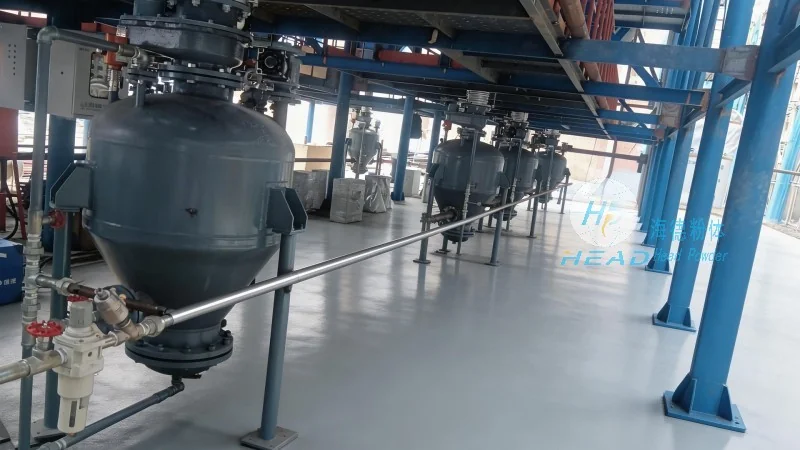
Positive pressure conveying systems operate by generating air or gas flow that moves material from the source to the destination under pressure. In this method, the material is carried by an air stream that is forced through the conveying line. This approach is often preferred for applications requiring high material throughput and the transport of fine powders over long distances. The positive pressure system ensures that the material is continuously pushed forward, reducing the risk of blockages and ensuring consistent flow rates.
For molybdenum concentrate powder, which is typically a fine, abrasive material, positive pressure conveying can be particularly effective. The high-pressure air stream helps to maintain the material's integrity and prevents it from settling or clogging the system. Additionally, this method allows for the integration of multiple transfer points and can handle varying material loads without significant performance degradation. However, it is important to note that positive pressure systems may require more robust equipment and higher energy consumption compared to negative pressure alternatives.
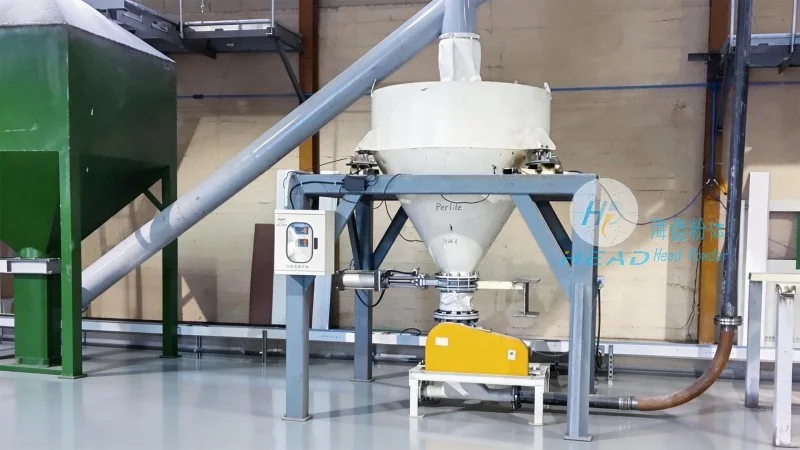
Negative pressure conveying, also known as suction or vacuum conveying, works by creating a vacuum in the conveying line to draw material from the source. The system uses a fan or vacuum pump to create a pressure differential that pulls the material into the line. This method is often used for shorter conveying distances and for materials that are less abrasive or require more gentle handling. Negative pressure systems are generally more energy-efficient and can handle a wider range of material types, including those that are sensitive to pressure or temperature changes.
In the context of molybdenum concentrate powder, negative pressure conveying may be suitable for applications where the material is being transferred from a hopper or storage bin to a processing unit over a relatively short distance. The vacuum created helps to maintain the material's flow and prevents dust emissions, which is a common concern with fine powders. However, negative pressure systems may be more prone to clogging if the material is too fine or contains high moisture content, as the vacuum can cause particles to stick together or to the walls of the conveying line.
When deciding between positive and negative pressure conveying for molybdenum concentrate powder, several factors should be evaluated. The first consideration is the distance and layout of the conveying system. Positive pressure systems are generally better suited for longer distances, while negative pressure is more appropriate for shorter runs. The material characteristics, such as particle size, moisture content, and abrasiveness, also play a critical role. Fine, dry powders like molybdenum concentrate may perform better with positive pressure due to the higher air velocity, whereas more delicate or moist materials might benefit from the gentler suction of negative pressure.
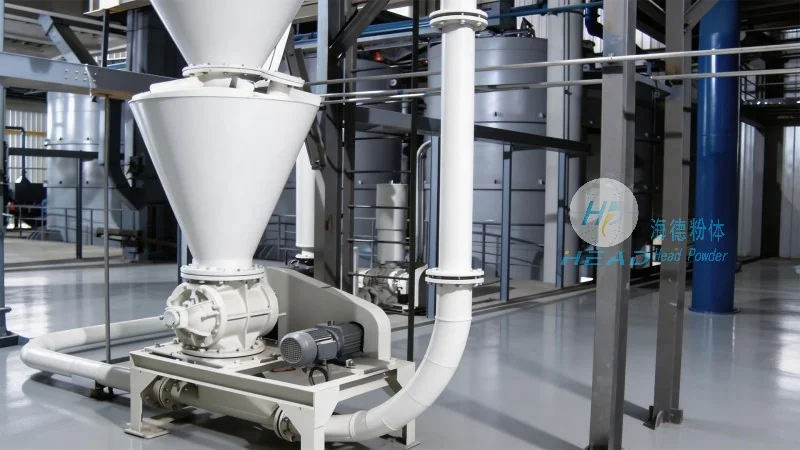
Another important factor is the environmental impact and safety considerations. Positive pressure systems can help contain dust and prevent emissions by maintaining a positive pressure environment, which is beneficial for compliance with environmental regulations. Negative pressure systems, on the other hand, may require additional filtration to prevent dust from escaping into the workplace. Energy consumption is also a key factor, as positive pressure systems typically require more power to maintain the pressure, while negative pressure systems are generally more energy-efficient.
For professional guidance and customized solutions in molybdenum concentrate powder conveying, Shandong HeadPowder Engineering Co., Ltd. offers expert consultation and advanced conveying systems. With years of experience in the industry, the company specializes in designing and implementing both positive and negative pressure conveying solutions tailored to specific operational needs. HeadPowder's team of engineers works closely with clients to assess their material handling requirements, ensuring that the chosen system maximizes efficiency, minimizes downtime, and adheres to safety and environmental standards. The company's commitment to quality and innovation makes it a trusted partner for businesses seeking reliable and effective molybdenum concentrate powder conveying solutions.

 Shandong Headpowder Engineering Co., Ltd.
 156-6277-7102(Manager Zhang)
  0531-83386006
  Zhangqiu District, Jinan City, Shandong Province, China
telephone
WeChatconsult
top