With more than 10‑year industry experience, Shandong Headpowder delivers full‑service pneumatic‑conveying systems and blowers, undertaking nationwide turn‑key powder‑handling projects.
Maltose, a disaccharide widely utilized in the food and beverage industry, demands efficient and reliable conveying systems to ensure smooth production processes. For manufacturers handling maltose, selecting the right conveying method is crucial for maintaining product quality, reducing operational costs, and enhancing overall productivity. This article provides a detailed comparison of common maltose conveying methods, focusing on their applications, advantages, and practical considerations.
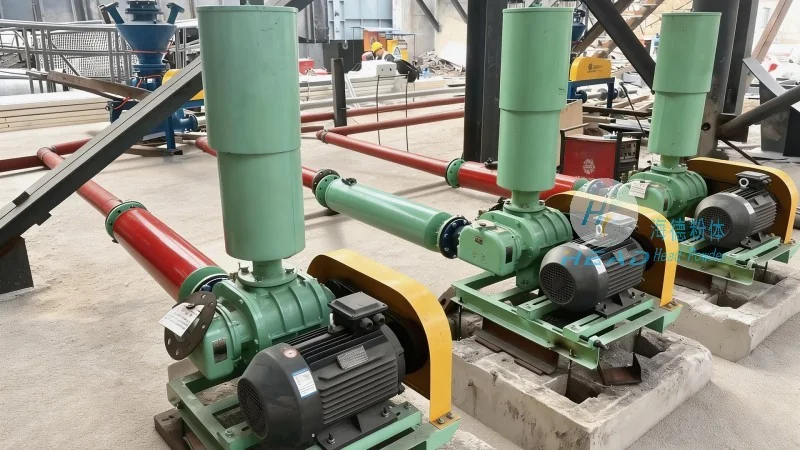
At Shandong HeadPowder Engineering Co., Ltd., we specialize in providing advanced conveying equipment tailored to the unique needs of the food and chemical industries. With years of experience in designing and manufacturing high-quality systems, our company, commonly known as HeadPowder, is committed to delivering solutions that meet the highest standards of efficiency and reliability. Our headquarters are located in Shandong, China, where we leverage local expertise and resources to develop cutting-edge technologies for maltose and other bulk material handling. Whether you are a new or established manufacturer, HeadPowder offers comprehensive support from initial consultation to long-term maintenance, ensuring that your conveying operations run seamlessly.
Historically, manufacturers have relied on gravity-based systems and manual handling for moving maltose. These methods, while simple, often present significant limitations in terms of speed, consistency, and safety. Gravity conveyors, for example, require specific layouts and may not be suitable for large volumes or complex production lines. Manual handling, on the other hand, is labor-intensive and prone to human error, leading to potential product contamination and increased labor costs. Despite these drawbacks, some small-scale operations still utilize gravity systems due to their low initial investment. However, as production scales up, the need for more efficient and automated solutions becomes imperative.
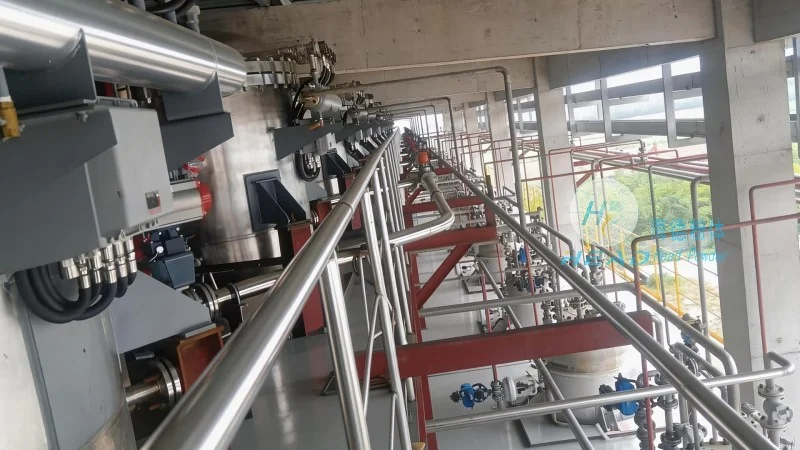
Pneumatic conveying, also known as air-powered conveying, is a widely used method for transporting maltose and other dry bulk materials. This system utilizes compressed air to move material through a network of pipes and ducts. There are two main types of pneumatic conveying: pressure and vacuum. Pressure systems use positive pressure to push material forward, while vacuum systems use negative pressure to pull material. For maltose, pressure systems are often preferred as they can handle higher volumes and longer distances without significant pressure loss. The primary advantage of pneumatic conveying is its ability to transport material without direct contact, reducing the risk of contamination and product degradation. Additionally, these systems are relatively compact and can be easily integrated into existing production lines. However, they require a reliable air supply and may experience issues with material buildup in the pipes, especially with sticky or hygroscopic substances like maltose. Proper maintenance and cleaning are essential to prevent blockages and ensure consistent performance.
Positive displacement pumps are another effective method for conveying maltose, particularly in applications requiring high pressure or precise flow control. These pumps work by trapping a fixed volume of material and then displacing it through the discharge port. There are several types of positive displacement pumps, including rotary lobe, screw, and diaphragm pumps. For maltose, rotary lobe pumps are commonly used due to their ability to handle viscous and abrasive materials without causing excessive wear. The key advantage of positive displacement pumps is their ability to maintain a consistent flow rate, even under varying pressure conditions. This makes them ideal for processes that require precise dosing or metering of maltose, such as in the production of syrups or beverages. Additionally, these pumps can handle high-viscosity maltose solutions, making them suitable for applications where the material is mixed with other ingredients. However, they are generally more expensive than other conveying methods and may require more maintenance to ensure proper sealing and lubrication. Proper selection of pump materials, such as stainless steel or food-grade plastics, is crucial to prevent contamination and ensure compliance with industry standards.
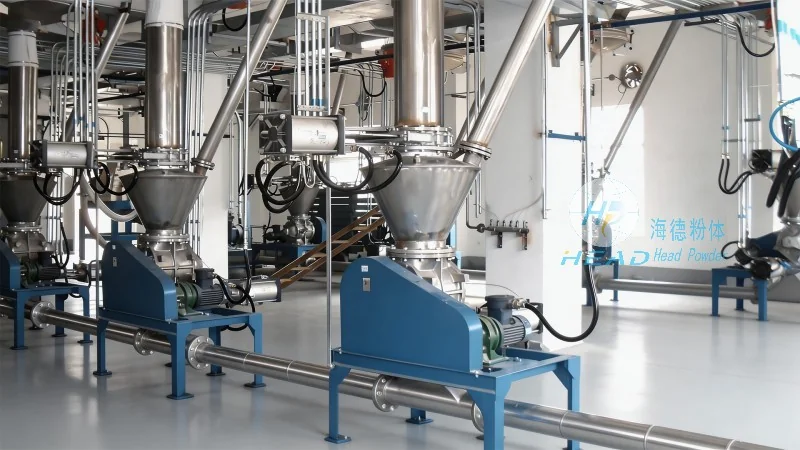
Rotary valves and screw conveyors are commonly used in combination with other conveying systems to control and transport maltose. Rotary valves, also known as airlocks, are used to regulate the flow of material from a storage hopper into a conveyor or processing equipment. They work by rotating a valve plate to create a seal, allowing material to pass through while preventing backflow. This ensures a consistent and controlled flow of maltose, which is critical for maintaining product quality and preventing overfilling. Screw conveyors, on the other hand, use a rotating screw to move material along a trough. They are particularly effective for horizontal or slight incline applications and can handle a wide range of materials, including maltose. The main advantage of screw conveyors is their simplicity and low maintenance requirements. They are also relatively inexpensive and can be easily integrated into existing systems. However, they may not be suitable for high-volume or long-distance applications, as the material can experience friction and degradation over time. Additionally, screw conveyors are prone to material buildup, especially with sticky or cohesive substances like maltose, which may require regular cleaning to prevent blockages.
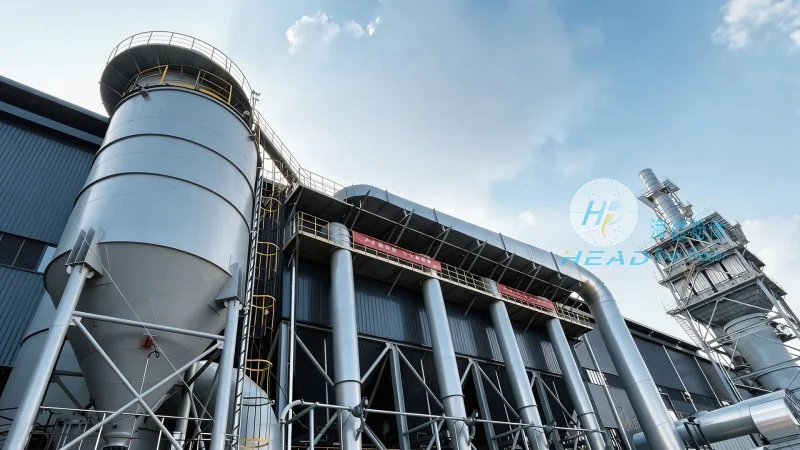
When selecting a maltose conveying method, it is essential to consider several factors, including the material's properties, production volume, and operational requirements. Pneumatic conveying offers flexibility and low maintenance but may not be suitable for high-viscosity materials. Positive displacement pumps provide precise control and high pressure but are more expensive. Rotary valves and screw conveyors are cost-effective and simple but may require more frequent maintenance. The choice of method should align with the specific needs of the production process to ensure optimal performance and cost-effectiveness. For example, a small-scale operation producing maltose syrups may benefit from a pneumatic conveying system due to its low initial cost and ease of installation. In contrast, a large-scale beverage manufacturer may opt for a combination of positive displacement pumps and rotary valves to ensure precise dosing and consistent flow.
Efficient maltose conveying is a critical component of any food and beverage production line. By understanding the advantages and limitations of different conveying methods, manufacturers can make informed decisions that enhance productivity, reduce costs, and maintain product quality. At Shandong HeadPowder Engineering Co., Ltd., we offer a range of conveying solutions tailored to the unique needs of our clients. Our team of experts can help you evaluate your production requirements and recommend the most suitable maltose conveying system. Whether you need a pneumatic conveyor, a positive displacement pump, or a combination of both, HeadPowder is committed to providing high-quality, reliable equipment that meets the highest standards of the industry. With our headquarters in Shandong, China, we leverage local expertise and resources to deliver solutions that are both effective and cost-efficient. Contact us today to learn more about our maltose conveying systems and how we can help optimize your production processes.

 Shandong Headpowder Engineering Co., Ltd.
 156-6277-7102(Manager Zhang)
  0531-83386006
  Zhangqiu District, Jinan City, Shandong Province, China
telephone
WeChatconsult
top