With more than 10‑year industry experience, Shandong Headpowder delivers full‑service pneumatic‑conveying systems and blowers, undertaking nationwide turn‑key powder‑handling projects.
Red mud, a byproduct of bauxite processing in the aluminum industry, poses significant challenges in terms of transportation due to its high solid content, abrasive nature, and potential environmental impact. The selection of an appropriate transport method is crucial for ensuring efficient and cost-effective handling of this material. This article provides a detailed comparison of common red mud transport methods, highlighting their advantages and disadvantages to assist in informed decision-making for industrial applications.
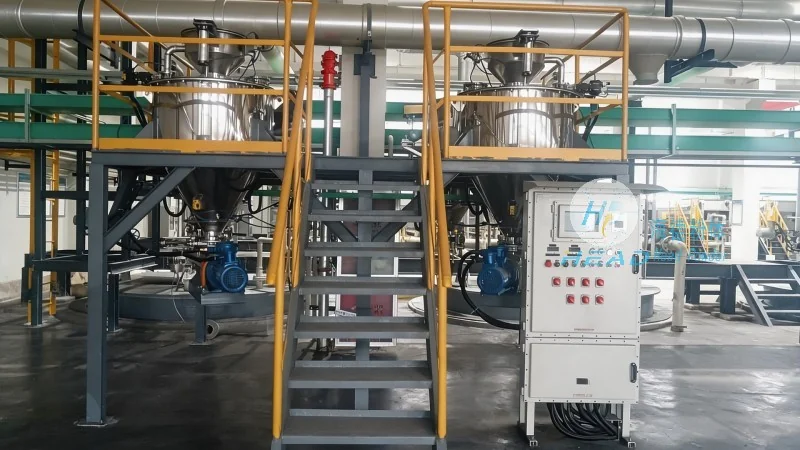
Pipeline transportation is a widely adopted method for moving red mud over long distances. This method involves pumping the slurry through a network of pipelines, typically using high-pressure pumps to maintain flow. The primary advantage of pipeline transport is its ability to handle large volumes of material continuously, reducing labor costs and minimizing environmental exposure. Additionally, it offers a closed system that prevents dust and contamination, enhancing safety and compliance with environmental regulations. However, the initial investment for pipeline infrastructure is substantial, including the cost of pipelines, valves, and pumping equipment. Maintenance of pipelines, especially those exposed to abrasive red mud, can also be costly and require regular inspections to prevent wear and tear. Moreover, the system is less flexible in terms of route changes or temporary shutdowns, as it relies on a fixed network.
Belt conveyors are another common option for red mud transport, particularly in scenarios where horizontal or slight incline movement is required. This method uses a continuous belt to carry the slurry from one location to another, often with the aid of idlers and tensioning devices to maintain proper operation. The main advantage of belt conveyors is their simplicity and low operational cost compared to other methods. They are relatively easy to install and maintain, and can handle a wide range of material types and volumes. Additionally, belt conveyors can be integrated with other processing equipment, such as dewatering units, to streamline the overall production process. However, belt conveyors have limitations in terms of vertical lift capacity, as steep inclines can lead to increased energy consumption and potential material spillage. The abrasive nature of red mud can also cause premature wear on the conveyor belt and idlers, requiring frequent replacement and maintenance. Furthermore, the system may be less effective for transporting red mud with high solid concentrations, as the belt may become overloaded or slip under heavy loads.
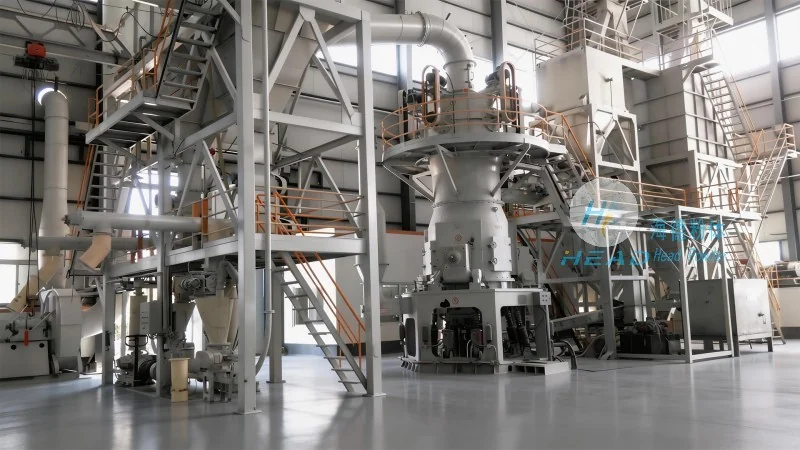
Pumping and dredging systems are often used for short-distance or on-site red mud transport, especially in areas with uneven terrain or limited access. These systems typically involve the use of centrifugal or positive displacement pumps to move the slurry through hoses or pipes. The primary advantage of this method is its flexibility and mobility, as pumps and hoses can be easily moved to different locations as needed. It is particularly useful for temporary or emergency transport situations, such as during maintenance or construction activities. Additionally, pumping systems can handle varying flow rates and can be adjusted to accommodate changes in red mud consistency. However, the efficiency of pumping is dependent on the pump's capacity and the system's pressure, which may be limited by the distance and elevation changes. The use of hoses can also introduce additional costs for replacement and maintenance, as they are prone to wear and tear from abrasion and pressure. Furthermore, pumping systems may not be suitable for very high solid concentrations, as the pump may experience clogging or reduced performance.
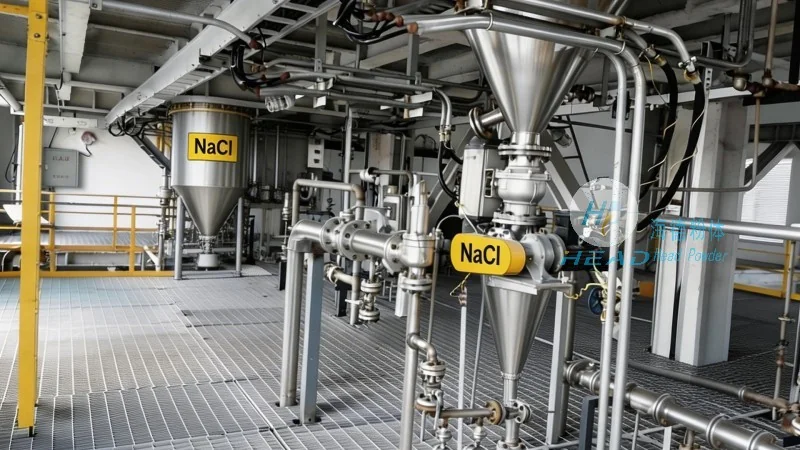
When selecting a red mud transport method, several factors must be considered to ensure optimal performance and cost-effectiveness. The first criterion is the distance and elevation changes between the source and destination. For long distances with significant elevation changes, pipeline transport may be more efficient, while belt conveyors are better suited for horizontal or slight incline movements. The volume of material to be transported is another critical factor; pipeline and belt conveyor systems are ideal for large-scale operations, whereas pumping systems are more appropriate for smaller volumes or short distances. The initial investment and operational costs also play a key role in the decision-making process. Pipeline transport has the highest initial cost but lower operational costs, while belt conveyors offer lower initial costs but higher maintenance expenses. The environmental impact and safety considerations must also be evaluated, as closed systems like pipelines provide better containment and reduce dust emissions compared to open systems like belt conveyors or pumping hoses.
Choosing the right red mud transport method requires a thorough analysis of operational requirements, cost considerations, and environmental regulations. Each method has its own set of advantages and disadvantages, and the optimal choice depends on the specific application and site conditions. For large-scale industrial operations, pipeline transportation and belt conveyor systems are generally more suitable due to their efficiency and capacity. Pumping and dredging equipment may be preferred for smaller or temporary transport needs. By carefully evaluating these factors, industrial facilities can select a transport method that maximizes productivity while minimizing costs and environmental impact. Shandong HeadPowder Engineering Co., Ltd. specializes in providing customized solutions for red mud handling and transportation, leveraging years of experience in the aluminum industry to deliver effective and sustainable solutions for clients worldwide.

 Shandong Headpowder Engineering Co., Ltd.
 156-6277-7102(Manager Zhang)
  0531-83386006
  Zhangqiu District, Jinan City, Shandong Province, China
telephone
WeChatconsult
top