With more than 10‑year industry experience, Shandong Headpowder delivers full‑service pneumatic‑conveying systems and blowers, undertaking nationwide turn‑key powder‑handling projects.
Thermoplastic polyurethane (TPU) is widely used in various industrial applications due to its excellent flexibility, abrasion resistance, and durability. The choice of conveying method is crucial for ensuring efficient material handling and maintaining product integrity. This article provides a detailed comparison of common TPU conveying methods, highlighting their applications, advantages, and considerations for different industrial settings.
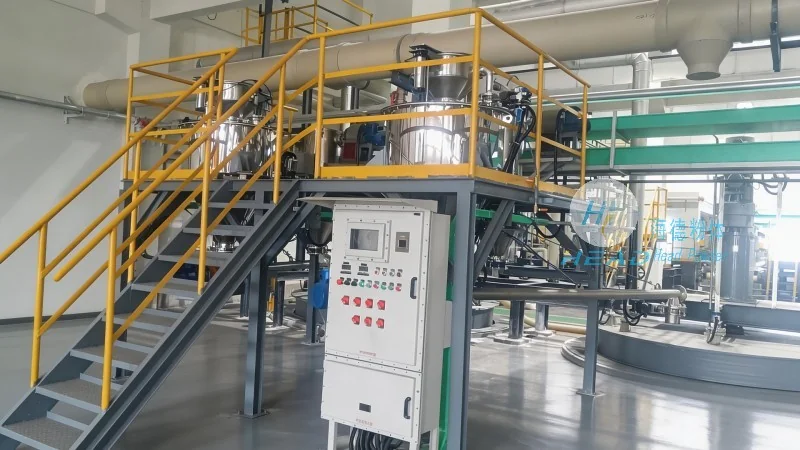
HeadPowder, a leading manufacturer based in Shandong, China, specializes in the production and supply of high-quality TPU materials and related conveying solutions. With years of experience in the industry, HeadPowder has developed advanced technologies to meet the diverse needs of clients across various sectors, including food processing, pharmaceuticals, and manufacturing.
Belt conveyors are one of the most common and versatile TPU conveying systems. These systems utilize TPU belts as the primary contact surface for transporting materials. The TPU belts are known for their high load-bearing capacity, low friction, and resistance to chemicals and abrasives. In food processing industries, TPU belts are preferred for their hygienic properties and ease of cleaning. For example, in the packaging of snacks or cereals, TPU belt conveyors ensure that the products remain intact and free from contamination. The smooth surface of TPU belts also reduces product damage during transport, making them ideal for delicate items. Additionally, TPU belts can be customized with different textures or coatings to enhance grip for materials with irregular surfaces. This adaptability makes belt conveyors with TPU belts suitable for a wide range of applications, from small-scale operations to large-scale production lines.
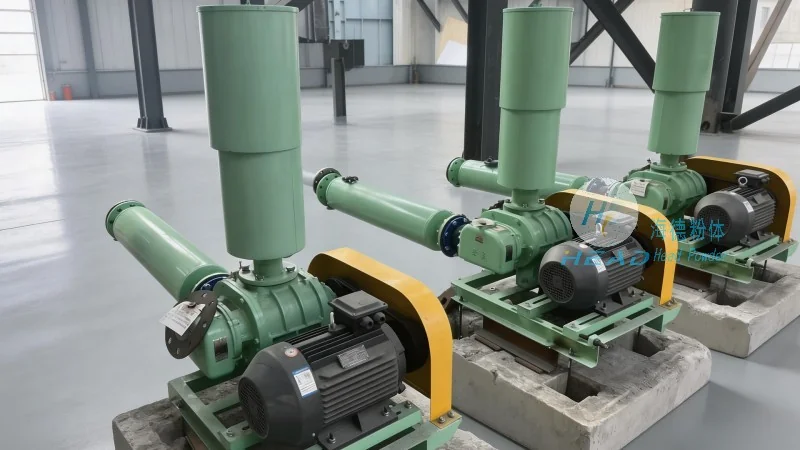
Screw conveyors are another popular TPU conveying method, particularly in the handling of bulk materials such as powders, granules, and small parts. The screw, typically made of metal, is coated with TPU to prevent wear and corrosion. This coating provides a non-stick surface that minimizes material buildup and ensures smooth material flow. In the pharmaceutical industry, TPU-coated screw conveyors are used to transport raw materials or finished products without cross-contamination. The TPU coating is easy to clean and maintain, which is essential for compliance with regulatory standards. For example, in the production of tablets or capsules, the screw conveyor with TPU coating ensures that the materials are conveyed efficiently while preventing any residue from adhering to the screw surface. The durability of TPU coatings also reduces the need for frequent maintenance, lowering operational costs over time. Screw conveyors with TPU coatings are particularly effective in applications where the material is prone to sticking or where hygiene is a top priority.
Pneumatic conveying systems use air or other gases to transport materials through a network of pipes. TPU components, such as hoses, fittings, and valves, are commonly used in these systems due to their flexibility and resistance to pressure and abrasion. Pneumatic conveying is ideal for transporting fine powders or granules over long distances without the need for multiple transfer points. In the chemical industry, TPU components are preferred for their resistance to corrosive substances and their ability to maintain material purity. For example, in the handling of chemical powders, TPU hoses and fittings prevent leaks and ensure that the material remains contained within the system. The flexibility of TPU components also allows for easy installation and adjustment of the conveying system, making it suitable for both new and existing facilities. Pneumatic conveying systems with TPU components are particularly effective in applications where the material is sensitive to moisture or where a dust-free environment is required.
Roller conveyors are used for transporting items that are placed on rollers or are otherwise supported by a series of wheels. TPU rollers are often used in these systems due to their low friction and resistance to wear. These rollers are typically made of a solid TPU material or a TPU-coated metal core. The smooth surface of TPU rollers reduces the risk of product damage and ensures consistent material flow. In the retail and logistics sectors, roller conveyors with TPU rollers are used to transport boxes, packages, or other items efficiently. The TPU rollers are easy to clean and maintain, which is important for maintaining a clean and organized workspace. For example, in a warehouse setting, TPU roller conveyors help streamline the order fulfillment process by moving items from storage to shipping areas. The durability of TPU rollers also means that they can withstand heavy loads and frequent use, reducing the need for replacement and minimizing downtime. Roller conveyors with TPU rollers are particularly effective in applications where the material is heavy or where a quiet operation is desired.
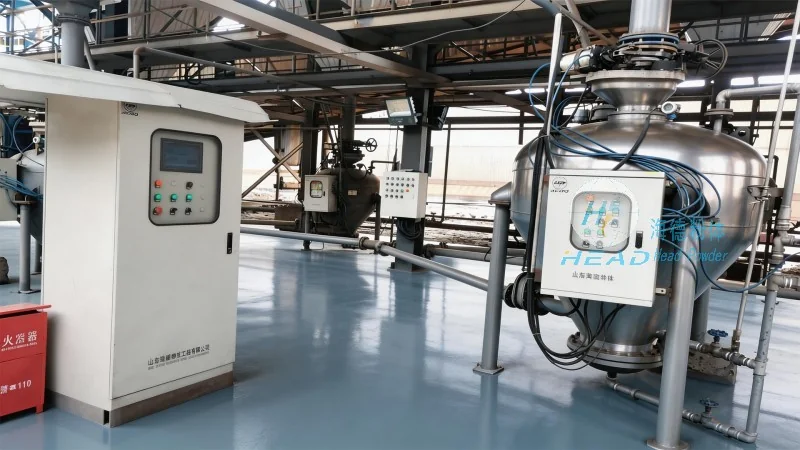
Chain conveyors use a continuous chain with attached links or sprockets to move materials. TPU chain links are used in these systems to provide a non-stick and wear-resistant surface. These chains are often used in the food and beverage industry for conveying products such as cookies, pastries, or other baked goods. The TPU chain links prevent the products from sticking to the chain, ensuring that they are transported without damage. The flexibility of TPU chains also allows for easy adjustment of the conveyor speed and direction, making them suitable for various production processes. In the manufacturing of automotive parts, chain conveyors with TPU links are used to transport components through assembly lines. The TPU links reduce friction and wear, which extends the life of the conveyor system. Additionally, TPU chains are easy to clean and maintain, which is essential for meeting hygiene standards in food processing facilities. Chain conveyors with TPU chain links are particularly effective in applications where the material is irregularly shaped or where high load capacity is required.
Choosing the right TPU conveying method depends on several factors, including the type of material being transported, the required speed, the environment, and the budget. Belt conveyors are ideal for general-purpose applications, screw conveyors for bulk materials, pneumatic systems for fine powders, roller conveyors for light items, and chain conveyors for heavy or irregular products. By understanding the specific needs of your operation, you can select the most suitable TPU conveying method to ensure efficient and reliable material handling. HeadPowder Engineering Co., Ltd. offers a range of TPU conveying solutions tailored to meet these requirements, providing high-quality products and expert advice to help clients achieve their industrial goals.

 Shandong Headpowder Engineering Co., Ltd.
 156-6277-7102(Manager Zhang)
  0531-83386006
  Zhangqiu District, Jinan City, Shandong Province, China
telephone
WeChatconsult
top