With more than 10‑year industry experience, Shandong Headpowder delivers full‑service pneumatic‑conveying systems and blowers, undertaking nationwide turn‑key powder‑handling projects.
When it comes to the efficient and safe transportation of sodium nitrate, companies in the chemical processing industry often seek reliable solutions that can handle the unique challenges associated with this material. Pneumatic conveying systems have emerged as a preferred method for many applications due to their ability to transport bulk materials over long distances with minimal environmental impact. This article explores several effective approaches to pneumatic conveying of sodium nitrate, highlighting the key considerations and technologies that contribute to successful implementation.
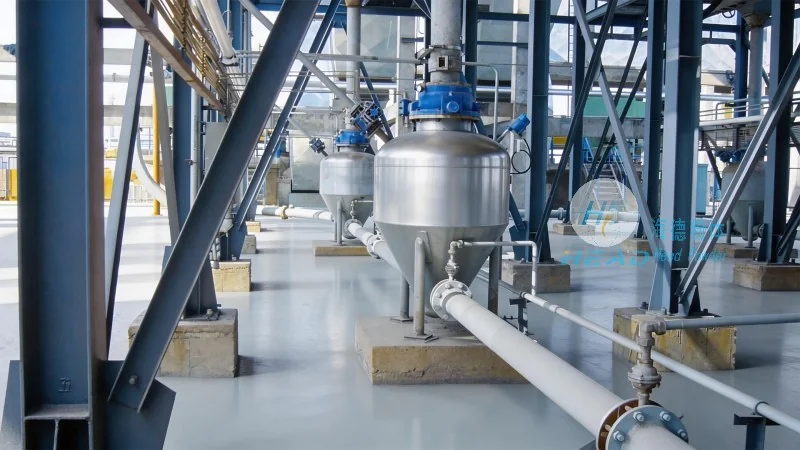
Sodium nitrate, also known as Chile saltpeter, is a white crystalline solid commonly used in fertilizers, food preservation, and industrial applications. Its handling requires careful attention to dust control, temperature management, and material flow consistency. Traditional methods like belt conveyors or screw conveyors may struggle with the fine particle size and potential for static electricity, which can lead to operational inefficiencies and safety hazards. Pneumatic conveying offers a solution by using air to transport the material in a sealed system, reducing exposure to dust and minimizing the risk of material degradation.
Before selecting a pneumatic conveying solution, several factors must be evaluated to ensure optimal performance. The first consideration is the material's properties, including its bulk density, flowability, and moisture content. Sodium nitrate typically has a bulk density ranging from 0.9 to 1.2 g/cm³, which affects the air velocity required for effective transport. Additionally, the system's capacity and the distance over which the material needs to be conveyed are critical. For long-distance transport, high-pressure systems may be more suitable, while low-pressure systems are often preferred for shorter distances or when handling more delicate materials.
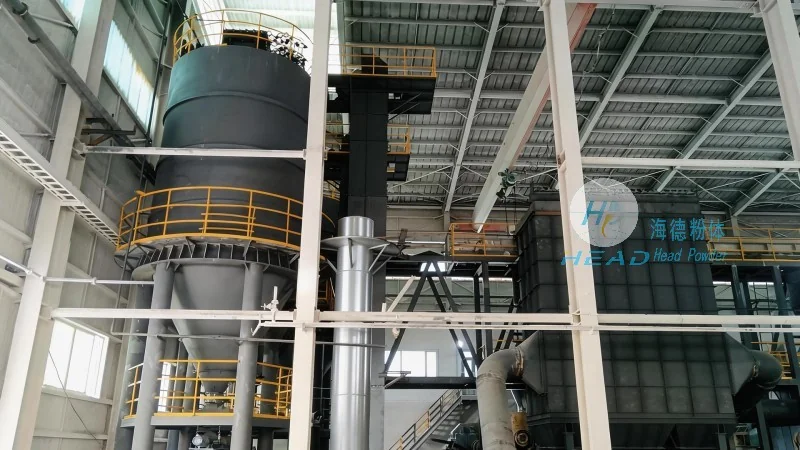
Dilute phase pneumatic conveying is a common method for transporting sodium nitrate, especially over moderate distances. This system operates by injecting air into the material at a high velocity, creating a dilute mixture of particles and air. The air velocity is typically maintained above the material's terminal velocity to ensure that the particles remain suspended and are carried through the pipeline. This approach is suitable for applications where the material needs to be conveyed quickly and with minimal pressure drop. However, it may require larger air volumes and higher energy consumption compared to other methods.
For applications requiring more controlled and gentle material handling, dense phase pneumatic conveying is an excellent choice. This method operates at lower air velocities, allowing the material to form a dense slurry within the pipeline. The air is introduced in short bursts or at a lower rate, which helps to maintain the material's integrity and prevent degradation. Dense phase systems are particularly useful when transporting sensitive materials or when the material needs to be delivered at a controlled rate. They also offer better control over the material's temperature and moisture content, which is crucial for maintaining the quality of sodium nitrate.
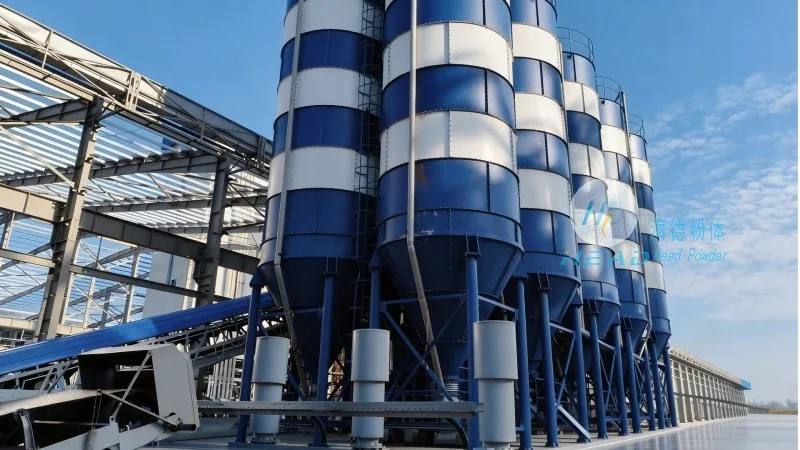
Hybrid pneumatic conveying systems combine the advantages of both dilute and dense phase methods, providing flexibility for various conveying requirements. These systems can switch between different operating modes based on the material's characteristics and the distance to be covered. For example, a hybrid system might use a dilute phase for the initial transport over a long distance and then switch to a dense phase for the final delivery to a storage silo or processing unit. This approach allows for efficient use of energy and ensures that the material is handled with the appropriate level of care throughout the entire process.
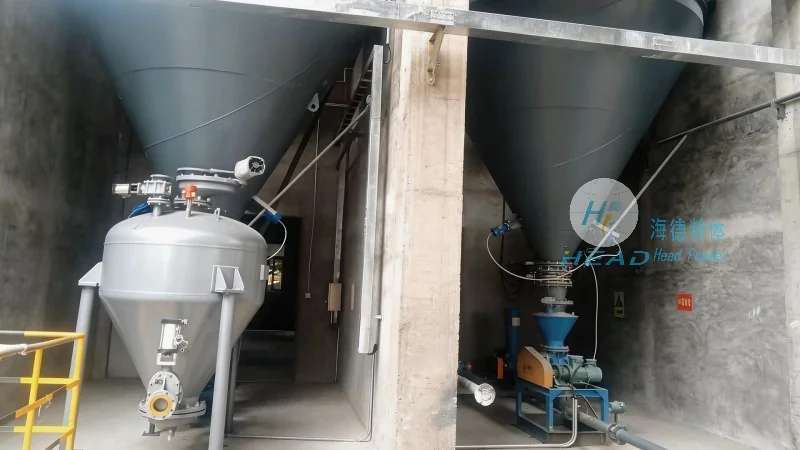
Implementing a pneumatic conveying system for sodium nitrate requires careful planning and professional expertise. The system design must account for factors such as the material's flow properties, the pipeline layout, and the environmental conditions. Proper installation and maintenance are essential to ensure the system operates efficiently and safely. Regular cleaning of the pipeline and filters is necessary to prevent clogging and maintain the system's performance. Additionally, monitoring the air pressure, flow rate, and material temperature can help identify any issues early and prevent costly downtime.
Choosing the right pneumatic conveying solution for sodium nitrate is critical to achieving efficient, safe, and cost-effective material transport. Whether using dilute phase, dense phase, or hybrid systems, each approach offers unique benefits that can be tailored to specific application needs. By understanding the material's properties and the system requirements, companies can select the most suitable solution to meet their operational goals. With proper implementation and maintenance, pneumatic conveying systems can provide reliable and long-lasting performance for the transportation of sodium nitrate.

 Shandong Headpowder Engineering Co., Ltd.
 156-6277-7102(Manager Zhang)
  0531-83386006
  Zhangqiu District, Jinan City, Shandong Province, China
telephone
WeChatconsult
top