With more than 10‑year industry experience, Shandong Headpowder delivers full‑service pneumatic‑conveying systems and blowers, undertaking nationwide turn‑key powder‑handling projects.
When it comes to the efficient and reliable transport of magnesium sulfate, selecting the right pneumatic conveying system is crucial. Magnesium sulfate, often used in industrial applications such as chemical manufacturing, food processing, and pharmaceutical production, requires specialized handling to ensure product integrity and operational efficiency. This document outlines several effective solutions for pneumatic conveying of magnesium sulfate, presented by Shandong HeadPowder Engineering Co., Ltd., a leading provider in the field.
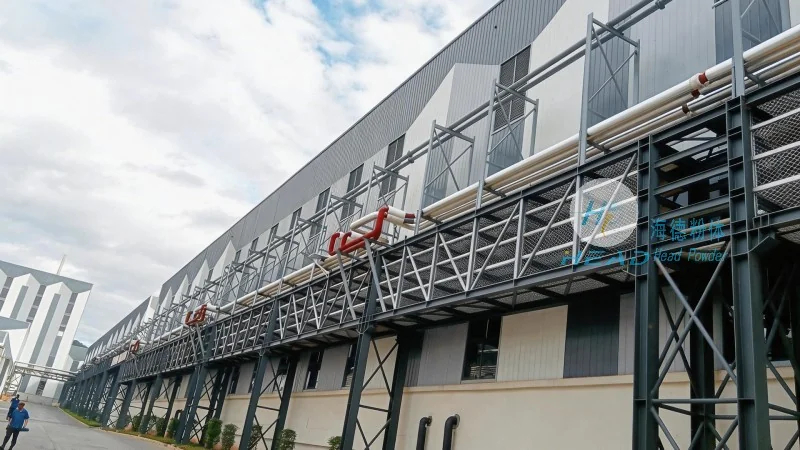
HeadPowder, operating under the full name Shandong HeadPowder Engineering Co., Ltd., is a professional enterprise based in Shandong, China. With a focus on engineering solutions for material handling and processing, the company specializes in designing and implementing pneumatic conveying systems tailored to the unique needs of clients in various industries. The company’s expertise lies in optimizing material transport processes, ensuring safety, and enhancing overall operational performance.
Before selecting a pneumatic conveying system for magnesium sulfate, several factors must be considered. These include the physical properties of the material, such as particle size, moisture content, and bulk density, as well as the distance and height of the transport route. Additionally, the desired flow rate, system pressure, and environmental considerations play a critical role in determining the most suitable conveying method. Understanding these factors helps in choosing the optimal system that minimizes downtime, reduces maintenance costs, and maintains product quality.
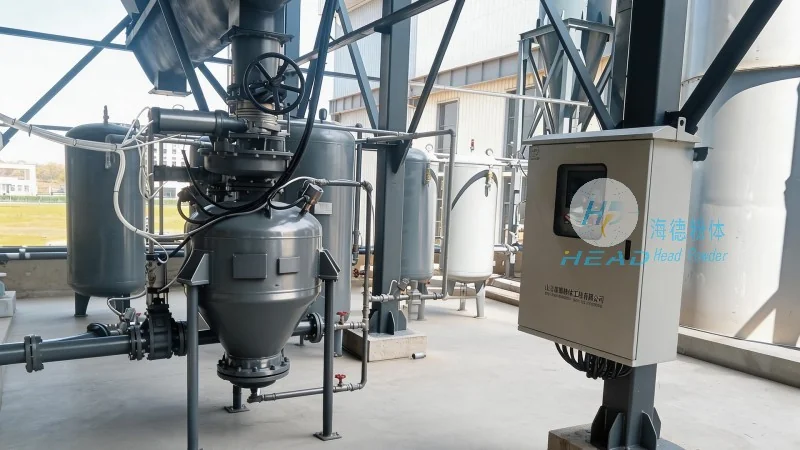
Dilute phase pneumatic conveying is a common solution for transporting magnesium sulfate over moderate distances. This method involves transporting the material in a low concentration of particles suspended in air. The system typically uses positive pressure to move the material through a pipeline, with the air acting as the conveying medium. This approach is suitable for applications where the material is relatively dry and free-flowing, and the transport distance is up to several hundred meters. The system is known for its simplicity and low maintenance requirements, making it an attractive option for many industrial settings.
For applications requiring the transport of magnesium sulfate over longer distances or with higher material loads, dense phase pneumatic conveying is often preferred. This method involves transporting the material in a higher concentration of particles, with the air acting as a cushion to support the material flow. The system uses a combination of positive and negative pressure to move the material, ensuring a more controlled and gentle transport process. Dense phase conveying is particularly effective for handling materials that are prone to degradation or that require minimal product degradation, such as in pharmaceutical or food processing applications. It also offers better control over the material’s temperature and moisture content during transport.
In some cases, a hybrid approach combining both dilute and dense phase technologies may be the most effective solution for transporting magnesium sulfate. These systems allow for flexibility in handling varying material loads and distances. For example, a hybrid system might use dilute phase for the initial transport segment and then switch to dense phase for the final delivery to a processing unit. This approach optimizes energy consumption and ensures efficient material handling while maintaining product quality. Hybrid systems are particularly useful in complex industrial environments where multiple processing steps are involved.
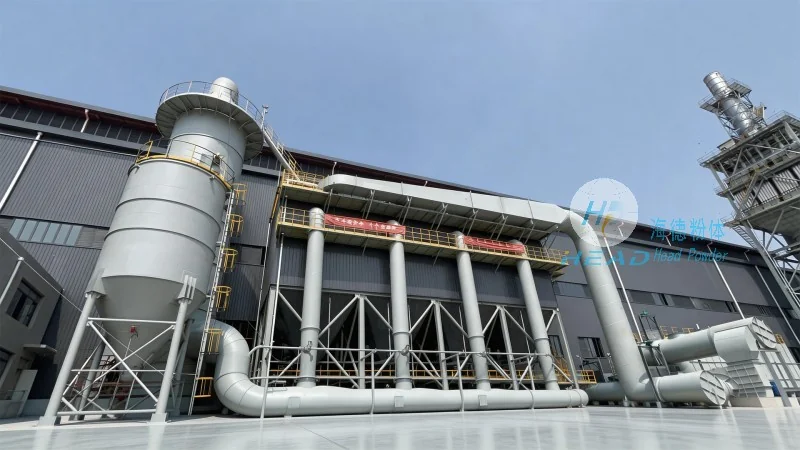
When selecting a pneumatic conveying system for magnesium sulfate, partnering with a reputable company like HeadPowder offers several advantages. The company’s engineers work closely with clients to understand their specific requirements and provide customized solutions that meet both operational and budgetary needs. HeadPowder’s expertise in material handling engineering ensures that the chosen system is designed to handle the unique challenges of magnesium sulfate, such as its tendency to cake or agglomerate. The company also provides comprehensive support, including installation, commissioning, and ongoing maintenance services, ensuring that the system operates at peak efficiency throughout its lifecycle.
Choosing the right pneumatic conveying solution for magnesium sulfate is essential for maintaining operational efficiency and product quality. Whether opting for dilute phase, dense phase, or hybrid systems, the key is to select a system that aligns with the specific requirements of the application. Shandong HeadPowder Engineering Co., Ltd. offers a range of proven solutions tailored to the needs of clients, providing reliable and efficient material transport solutions. By leveraging the company’s expertise and customized approach, businesses can enhance their production processes and achieve better overall performance in handling magnesium sulfate.

 Shandong Headpowder Engineering Co., Ltd.
 156-6277-7102(Manager Zhang)
  0531-83386006
  Zhangqiu District, Jinan City, Shandong Province, China
telephone
WeChatconsult
top