With more than 10‑year industry experience, Shandong Headpowder delivers full‑service pneumatic‑conveying systems and blowers, undertaking nationwide turn‑key powder‑handling projects.
For industrial facilities dealing with coal powder handling, selecting the appropriate pneumatic conveying system is a critical decision that impacts operational efficiency, safety, and long-term cost-effectiveness. The choice of system depends on several key factors related to the coal powder's physical properties, the required conveying distance, and the specific application requirements. This article provides a comprehensive guide to help you select the right pneumatic conveying system for your coal powder handling process, with insights from Shandong HeadPowder Engineering Co., Ltd. (referred to as HeadPowder), a leading provider in the field.
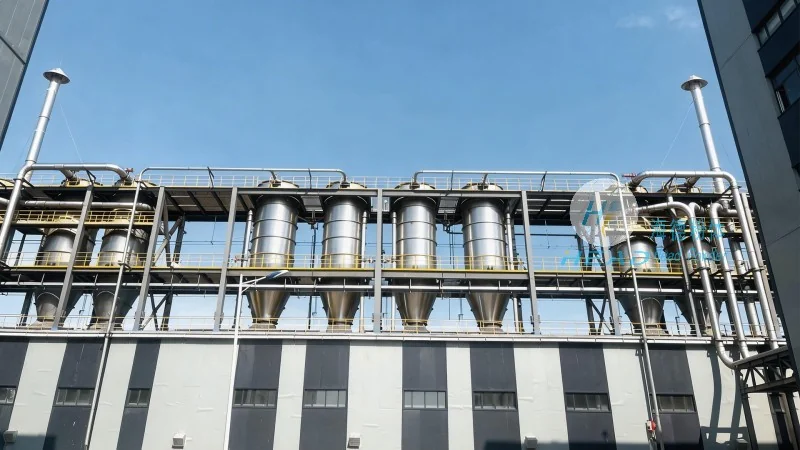
Before diving into system selection, it's essential to understand the characteristics of coal powder that influence the choice of conveying method. Coal powders typically have a wide range of particle sizes, from fine dust to larger granules, with varying densities and flowability. These properties affect how the powder behaves under pressure and airflow, impacting system design and performance. For instance, fine coal powders may require higher air velocities to prevent clogging, while larger particles might need higher pressure or different nozzle designs to ensure smooth transport. Additionally, the moisture content and cohesive properties of the coal powder can affect its flowability and the risk of blockages, which are critical considerations when designing a pneumatic conveying system.
HeadPowder offers a range of pneumatic conveying systems tailored to different coal powder handling needs. The primary types include positive pressure systems, negative pressure (or vacuum) systems, and hybrid systems. Each type has distinct advantages and is suitable for different scenarios.
Positive pressure systems, as the name suggests, use compressed air to push the coal powder through the system. These systems are generally more suitable for long-distance or high-capacity conveying, as they can maintain consistent pressure and flow. They are often used in applications where the powder needs to be transported over distances of several hundred meters or more. The main advantage of positive pressure systems is their ability to handle abrasive materials like coal powder without excessive wear on components. However, they require robust air compressors and may generate more noise and air pollution compared to other systems.
Negative pressure systems, on the other hand, use a vacuum to draw the coal powder into the system. These systems are ideal for applications where the powder is generated at the source and needs to be collected and transported to a central location. They are commonly used in dust collection and material recovery processes, as they can effectively capture fine particles and prevent dust emissions. Negative pressure systems are generally quieter and produce less air pollution than positive pressure systems, but they may have limitations in terms of conveying distance and capacity, especially for larger particles or high-volume applications.
Hybrid systems combine elements of both positive and negative pressure systems, offering flexibility in conveying different materials or handling varying conditions. For example, a hybrid system might use a positive pressure section for long-distance transport and a negative pressure section for material collection at the destination. This approach allows for optimized performance in complex applications where multiple handling steps are required.
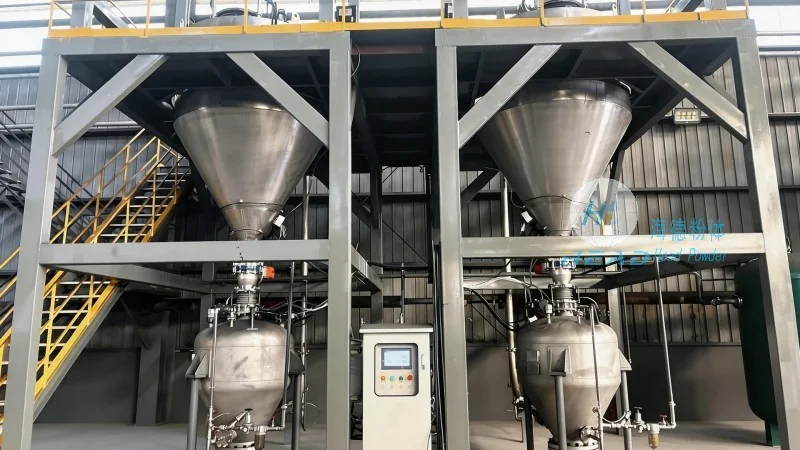
When selecting a pneumatic conveying system for coal powder, several design considerations must be taken into account to ensure optimal performance and reliability. These include the required conveying capacity, the distance between the source and destination, the pressure or vacuum levels needed, and the material's physical properties. HeadPowder's engineering team conducts thorough assessments of these factors to design systems that meet the specific needs of each client.
Conveying capacity is a critical parameter that determines the system's throughput. It depends on the volume of coal powder to be transported per hour and the system's design, including the size of the ducts, the air velocity, and the number of transfer points. For example, a system designed for high-capacity applications might use larger ducts and higher air velocities to maintain consistent flow, while a low-capacity system might use smaller ducts and lower velocities.
The distance between the source and destination is another key factor. Positive pressure systems are generally more suitable for longer distances, as they can maintain sufficient pressure to overcome friction losses in the ductwork. Negative pressure systems are better suited for shorter distances or when the source is at a higher elevation than the destination. The design of the system must account for the pressure drop along the ducts, which increases with distance and duct size.
Pressure or vacuum levels are also important considerations. Positive pressure systems typically operate at pressures ranging from 0.5 to 10 bar, depending on the conveying distance and material properties. Higher pressures are required for longer distances or larger particles. Negative pressure systems operate at vacuum levels ranging from 0.1 to 0.8 bar, which is sufficient to draw fine particles into the system but may not be effective for larger or more cohesive particles.
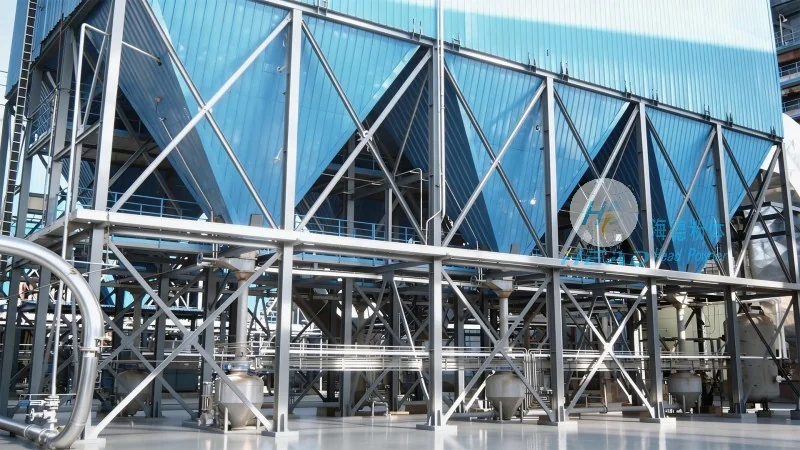
Material properties, such as particle size distribution, density, and flowability, play a significant role in system design. Fine coal powders with a high proportion of sub-micron particles may require higher air velocities to prevent clogging, while larger particles may need higher pressure or different nozzle designs to ensure smooth transport. The cohesive properties of the coal powder, which affect its tendency to stick to surfaces or form agglomerates, also impact the choice of system components, such as the type of duct material and the design of the transfer points.
Shandong HeadPowder Engineering Co., Ltd. (HeadPowder) is a leading provider of custom-designed pneumatic conveying systems for coal powder handling. With years of experience in the industry, HeadPowder has developed a deep understanding of the unique challenges associated with coal powder transport and has developed innovative solutions to address them. The company's engineering team works closely with clients to assess their specific needs and design systems that are tailored to their applications.
HeadPowder's systems are designed to meet the highest standards of efficiency, reliability, and safety. The company uses advanced simulation tools to model the behavior of coal powder in the system, allowing for optimized design and performance. This approach ensures that the systems are built to handle the specific properties of the coal powder, minimizing the risk of blockages, wear, and other issues that can lead to downtime and increased maintenance costs.
HeadPowder's expertise extends beyond system design to include installation, commissioning, and after-sales support. The company provides comprehensive services to ensure that the systems are installed correctly and operate as intended. This includes training for operators on system operation and maintenance, as well as regular maintenance and repair services to keep the systems running smoothly.
HeadPowder's commitment to quality and customer satisfaction has made it a trusted partner for many industrial facilities dealing with coal powder handling. The company's systems have been successfully implemented in a wide range of applications, including power plants, coal mines, and chemical processing facilities, where they have improved operational efficiency and reduced costs.

 Shandong Headpowder Engineering Co., Ltd.
 156-6277-7102(Manager Zhang)
  0531-83386006
  Zhangqiu District, Jinan City, Shandong Province, China
telephone
WeChatconsult
top