

What is a Ammonium Bicarbonate Material Pneumatic Conveying Line? And What Are Its Design Principles
Ammonium bicarbonate, a white crystalline powder widely utilized in chemical and agricultural sectors, presents distinct handling challenges due to its hygroscopic properties and propensity to agglomerate. Conventional bulk material handling methods such as belt conveyors or manual transfer often prove inadequate when dealing with such materials, resulting in inefficiencies, dust generation, and material loss. Pneumatic conveying systems offer a solution by transporting ammonium bicarbonate through a pressurized air stream, ensuring safe, dust-free, and continuous material transfer. This article explores the concept of an ammonium bicarbonate material pneumatic conveying line and examines the core design principles that underpin its optimal performance.
Key Components of the Pneumatic Conveying System
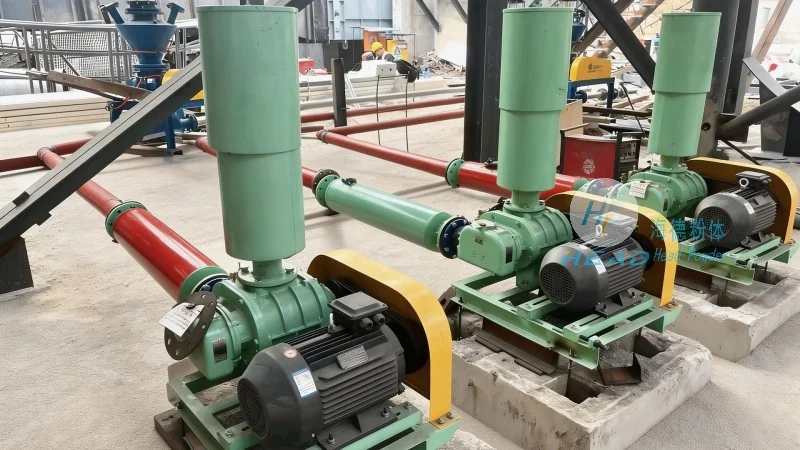
The effectiveness of an ammonium bicarbonate pneumatic conveying line relies on several critical components that operate in concert. The primary elements include a material hopper or feeder, which stores and meters the ammonium bicarbonate into the system. A high-pressure or vacuum air compressor (depending on the conveying method) generates the necessary airflow to move the material. The conveying pipeline, typically constructed from corrosion-resistant materials like stainless steel or specialized plastics, transports the material and air mixture. A separation system, such as a cyclone or bag filter, separates the material from the air at the receiving end. Additionally, a control system monitors and adjusts the airflow and material feed to maintain stable operation.
Design Principles and Considerations for Ammonium Bicarbonate Handling
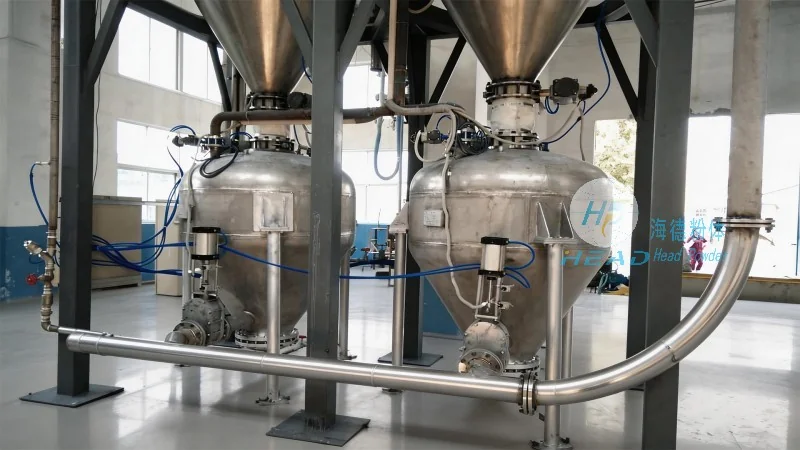
Designing a pneumatic conveying line for ammonium bicarbonate requires careful consideration of the material's physical and chemical characteristics. Ammonium bicarbonate has a relatively low bulk density (approximately 0.6-0.8 g/cm³) and can be prone to caking when exposed to moisture or temperature fluctuations. These factors influence the selection of the conveying method—either pressure or vacuum—and the system's pressure and velocity. For pressure conveying, the system operates under positive pressure, using a blower to push the material through the pipeline. This method is suitable for short to medium distances and when the material needs to be discharged at a higher elevation. Vacuum conveying, conversely, uses a vacuum pump to draw the material into the system, making it ideal for long-distance or low-level transfer. The design must also account for the material's particle size distribution; finer particles may necessitate additional filtration to prevent blockages or loss through the system. Furthermore, safety considerations are paramount due to the potential for explosion in the presence of air, especially when handling powders with flammable or reactive properties. Thus, explosion-proof designs and proper ventilation are integral to the system's safety features.
Application Scenarios and Benefits of the System
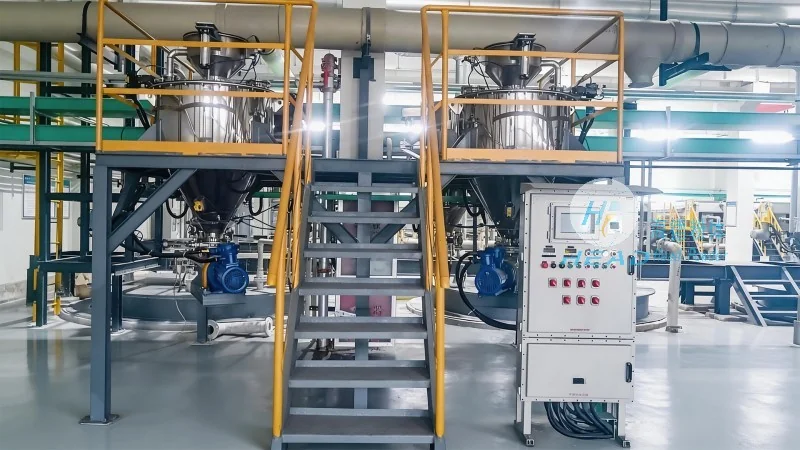
Ammonium bicarbonate material pneumatic conveying lines are widely employed in industrial settings where efficient and safe transfer of this chemical is essential. Common applications include the transportation of ammonium bicarbonate from production reactors to storage silos, from storage silos to packaging lines, or between different processing stages in fertilizer manufacturing plants. The system's benefits extend beyond mere material transfer efficiency. By eliminating manual handling, it reduces labor costs and minimizes the risk of dust exposure to workers, enhancing workplace safety. The enclosed system also prevents product contamination and loss, maintaining product quality throughout the transfer process. Additionally, the continuous operation of pneumatic conveying systems allows for higher throughput compared to batch handling methods, enhancing overall production capacity. In agricultural applications, such systems may be used to transport ammonium bicarbonate for use as a fertilizer or in the food industry as a leavening agent, ensuring consistent and reliable supply to end-users.
About Shandong HeadPowder Engineering Co., Ltd.
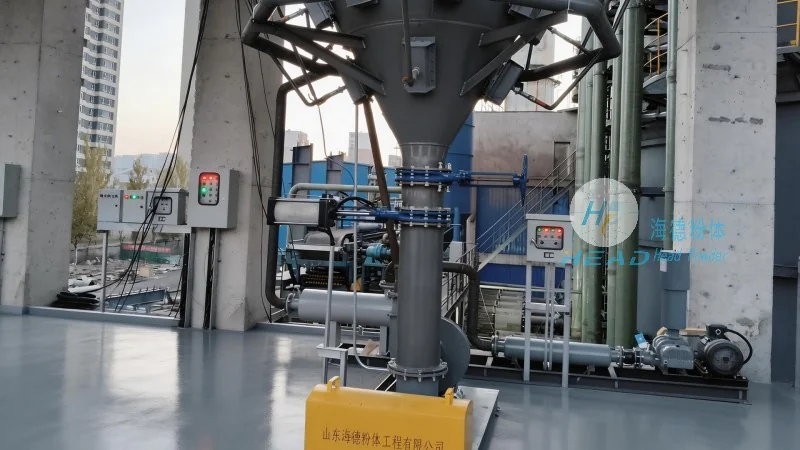
Shandong HeadPowder Engineering Co., Ltd., a leading provider of bulk material handling solutions, specializes in designing and manufacturing customized pneumatic conveying systems tailored to the unique needs of industries handling ammonium bicarbonate and other similar materials. With years of experience in the field, the company leverages advanced engineering principles and robust manufacturing processes to deliver high-quality, reliable systems that meet stringent industry standards. HeadPowder's commitment to innovation and customer satisfaction ensures that their pneumatic conveying lines are not only efficient but also safe and durable, providing long-term value to clients. The company's headquarters is located in Shandong, China, where they continue to develop cutting-edge solutions for the evolving demands of the chemical and agricultural sectors.