

What is a Pearl Luster Sand Material Pneumatic Conveying Line? What Are Its Design Principles?
Pneumatic conveying systems are widely used in various industrial applications to transport bulk materials efficiently and safely. Among these materials, pearl luster sand, also known as mica sand or luster sand, is a fine powder with unique optical properties, commonly utilized in coatings, cosmetics, and decorative applications. The design of a pearl luster sand material pneumatic conveying line involves several critical components and principles to ensure optimal performance, reliability, and material integrity. This article explores the fundamental aspects of such systems, including their design principles and operational considerations.
Key Components of a Pneumatic Conveying System for Pearl Luster Sand
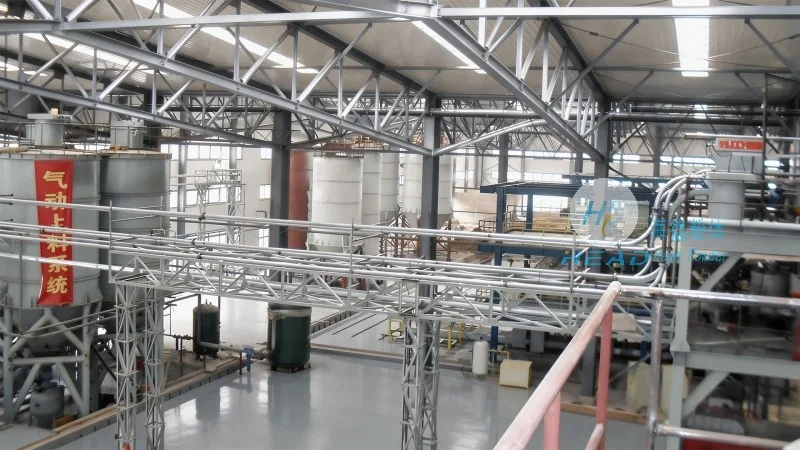
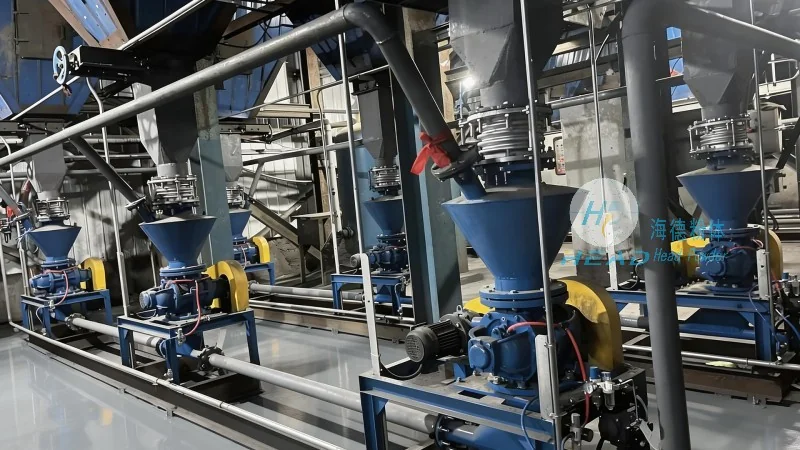
The core components of a pneumatic conveying line for pearl luster sand typically include a material hopper, a feeder, a conveying pipe, a dust collector, and a discharge unit. The material hopper serves as the storage container, holding the bulk pearl luster sand before it is fed into the system. The feeder, often a rotary valve or a screw feeder, controls the flow rate of the material into the conveying pipe, ensuring a consistent and controlled discharge. The conveying pipe, usually made of stainless steel or other corrosion-resistant materials, transports the sand particles using compressed air or other gas streams. The dust collector is essential for capturing any airborne particles, maintaining air quality and preventing environmental contamination. Finally, the discharge unit, such as a rotary valve or a bagging unit, collects the conveyed sand at the destination point.
Design Principles for Optimal Performance
The design of a pearl luster sand pneumatic conveying line is guided by several key principles to achieve high efficiency, low maintenance, and minimal material degradation. First, the system must be designed to handle the specific physical properties of pearl luster sand, including its particle size, density, and moisture content. These properties affect the air velocity required for effective conveying, as well as the risk of material bridging or clogging in the hopper and feeder. Second, the system should minimize pressure losses and energy consumption by optimizing the pipe diameter, length, and bends. Properly sized pipes and minimal bends reduce the need for high air pressure, leading to lower operational costs and less wear on components. Third, the system must incorporate features to prevent material degradation, such as abrasion or agglomeration. This includes using smooth, non-abrasive pipe surfaces and avoiding high-velocity impacts that could damage the sand particles. Additionally, the system should include cleaning mechanisms, such as reverse air flow or vibration, to prevent material buildup and maintain consistent performance over time.
Operational Considerations and Maintenance
Once the pneumatic conveying line is installed and operational, regular maintenance is crucial to ensure long-term reliability and performance. The hopper and feeder should be inspected regularly for material buildup or clogging, which can affect flow rates and cause system inefficiencies. The conveying pipes should be checked for signs of wear or corrosion, particularly in areas with high abrasion from the sand particles. The dust collector filters need to be replaced or cleaned as needed to maintain air quality and prevent clogging. Additionally, the system's air compressor and control valves should be monitored for proper operation, as they are critical to maintaining the required air pressure and flow rates. By following a regular maintenance schedule, users can extend the life of the equipment and minimize downtime, ensuring consistent and reliable delivery of pearl luster sand to their production processes.
Conclusion
Pneumatic conveying lines for pearl luster sand are sophisticated systems that combine engineering principles with practical design to transport fine materials efficiently. The key components, including hoppers, feeders, conveying pipes, dust collectors, and discharge units, work together to ensure that the material is moved safely and without degradation. By adhering to design principles that consider the material's physical properties, minimize energy consumption, and prevent degradation, manufacturers can achieve optimal performance from their pneumatic conveying systems. Regular maintenance and operational monitoring are essential to maintain the system's reliability and longevity, ensuring that pearl luster sand is delivered to its intended applications with the highest quality and consistency. As a leading provider in the field, Shandong HeadPowder Engineering Co., Ltd. specializes in designing and manufacturing custom pneumatic conveying solutions tailored to the unique needs of industries that rely on pearl luster sand, providing reliable and efficient material handling solutions for their clients.