With more than 10‑year industry experience, Shandong Headpowder delivers full‑service pneumatic‑conveying systems and blowers, undertaking nationwide turn‑key powder‑handling projects.
When it comes to managing the transportation of aggregates in construction and industrial applications, selecting the appropriate pneumatic conveying system is crucial for efficiency, reliability, and cost-effectiveness. The right system can significantly enhance the performance of your sand and gravel handling operations, ensuring smooth material flow from storage to processing or end-use applications. This guide will outline key considerations and factors to evaluate when choosing a pneumatic conveying system tailored to your aggregate handling process, with insights from industry experts at Shandong HeadPowder Engineering Co., Ltd., a leading provider of specialized material handling solutions based in Shandong, China.
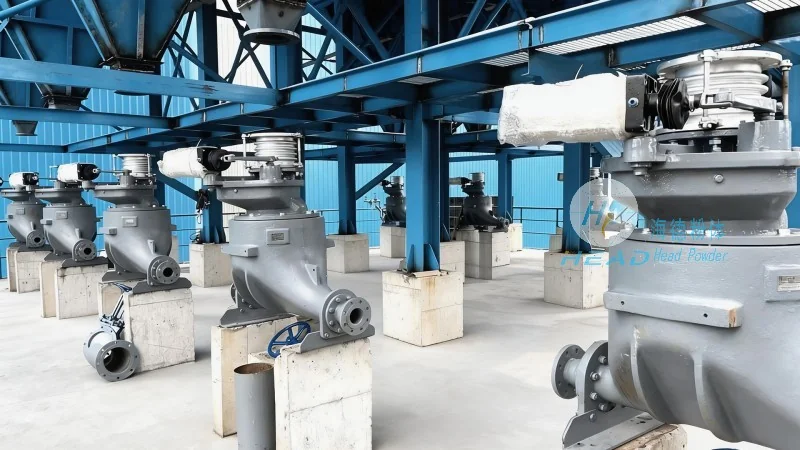
Before diving into system selection, it is essential to thoroughly understand the specific requirements of your aggregate handling process. This involves assessing several critical parameters that will directly impact the choice of a pneumatic conveying system. First, consider the type and characteristics of the aggregate materials you are handling. Different aggregates, such as sand, gravel, or crushed stone, have varying particle sizes, densities, and moisture content, which can affect the system's design and performance. For instance, fine-grained materials like sand may require higher air velocities and specialized equipment to prevent blockages, while coarser aggregates like gravel might benefit from lower air velocities and larger duct diameters. Additionally, the volume of material to be transported per hour is a key factor. High-volume applications may necessitate larger system capacities, including more powerful blowers and larger conveying lines, to maintain consistent flow rates. The distance over which the material needs to be conveyed is another critical consideration. Short-distance conveying can often use lower-pressure systems, while long-distance applications may require high-pressure or vacuum systems to maintain material transport efficiency. Finally, the desired system performance, including speed, reliability, and maintenance requirements, should be evaluated. A system that offers consistent, low-maintenance operation with minimal downtime is often preferred for continuous production environments.
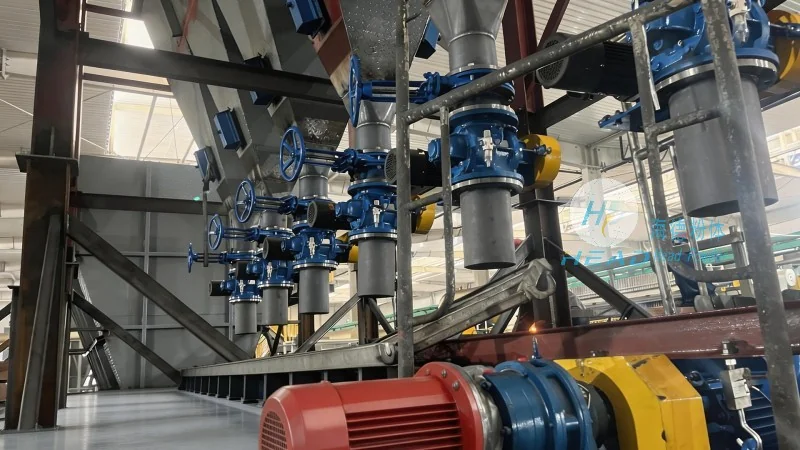
Once the core requirements of your aggregate handling process are defined, the next step is to evaluate the different types of pneumatic conveying systems available. The primary categories of pneumatic conveying systems are pressure, vacuum, and hybrid systems. Pressure systems use compressed air to push material through a pipeline, while vacuum systems use suction to draw material into the system. Hybrid systems combine both pressure and vacuum components to optimize material transport over varying distances or with complex layouts. For aggregate handling, pressure systems are commonly used for short to medium-distance conveying due to their ability to handle higher material loads and provide consistent flow. These systems typically operate at pressures ranging from 1 to 10 bar, depending on the material characteristics and conveying distance. Vacuum systems, on the other hand, are often preferred for long-distance or complex conveying routes, as they can maintain material transport over longer distances with lower energy consumption. However, vacuum systems may require more powerful vacuum pumps and larger duct diameters to handle fine or dry materials effectively. Another important consideration is the system's air-to-material ratio, which refers to the amount of air used per unit of material being conveyed. A lower air-to-material ratio is generally more energy-efficient and cost-effective, as it reduces the energy consumption of the system. Shandong HeadPowder Engineering Co., Ltd. specializes in designing and manufacturing custom pneumatic conveying systems that match these specific requirements, ensuring optimal performance for various aggregate handling applications.
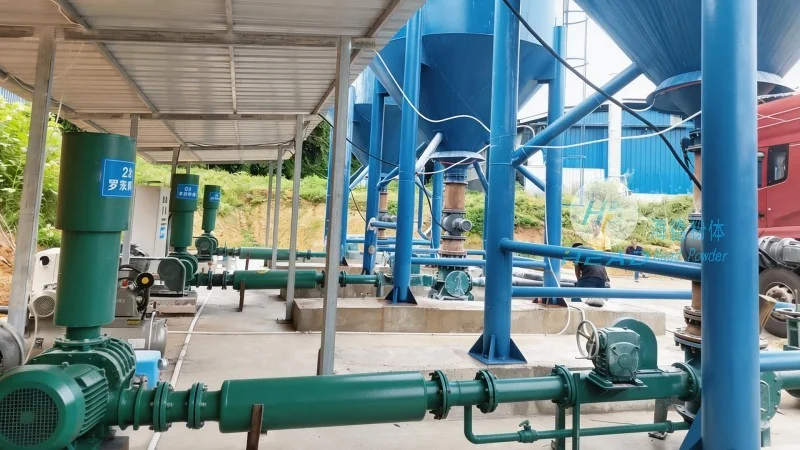
When selecting a pneumatic conveying system for your aggregate handling process, several key factors must be carefully considered to ensure the system meets your operational needs and delivers long-term value. First, the system's efficiency and energy consumption are critical. An efficient system will minimize energy costs and reduce operational expenses over time. This can be achieved through optimized air flow rates, appropriate duct sizing, and the use of high-efficiency blowers or vacuum pumps. Additionally, the system's reliability and durability are essential for continuous operation. Materials used in the system, such as stainless steel or corrosion-resistant alloys, should be selected to withstand the abrasive nature of aggregates and prevent wear and tear. The system's maintenance requirements and ease of cleaning are also important considerations. A system that is easy to maintain and clean will reduce downtime and operational costs. For example, systems with easy-to-access components and self-cleaning features can minimize maintenance efforts. Furthermore, the system's compatibility with existing infrastructure and equipment should be evaluated. Integrating a new pneumatic conveying system with existing storage silos, processing equipment, or conveying lines requires careful planning to ensure seamless operation. Shandong HeadPowder Engineering Co., Ltd. offers comprehensive consultation services to help clients assess these factors and select the most suitable system for their specific aggregate handling needs.
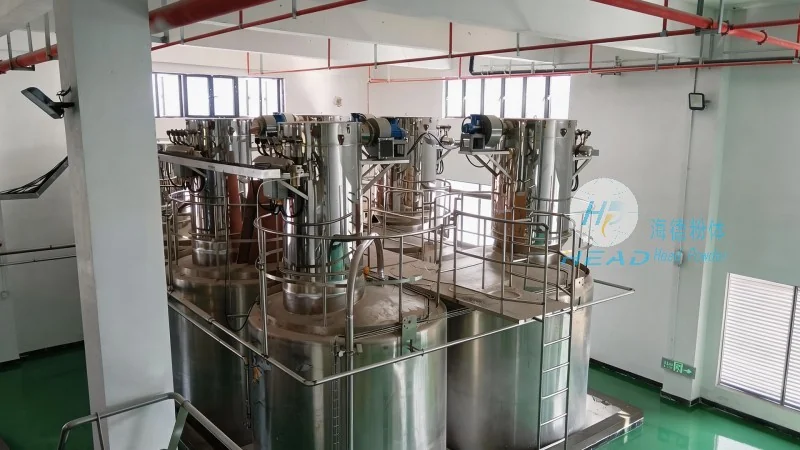
At Shandong HeadPowder Engineering Co., Ltd., we understand that every aggregate handling process is unique, and a one-size-fits-all approach is rarely effective. That's why we offer customized pneumatic conveying systems tailored to the specific requirements of our clients. Our team of experienced engineers works closely with clients to assess their material characteristics, conveying distances, and operational goals to design a system that maximizes efficiency and minimizes costs. We provide a range of customization options, including different system types (pressure, vacuum, or hybrid), duct materials (stainless steel, carbon steel, or plastic), and control systems (manual or automated). Our systems are designed to integrate seamlessly with existing infrastructure, ensuring minimal disruption to current operations. We also offer installation and commissioning services to ensure the system is properly set up and operates as intended. Our commitment to quality and customer satisfaction is reflected in our rigorous testing and quality control processes, which ensure that every system meets or exceeds industry standards. By choosing Shandong HeadPowder Engineering Co., Ltd., you can be confident that you are selecting a reliable and efficient pneumatic conveying system that is tailored to your aggregate handling process, providing long-term performance and value.

 Shandong Headpowder Engineering Co., Ltd.
 156-6277-7102(Manager Zhang)
  0531-83386006
  Zhangqiu District, Jinan City, Shandong Province, China
telephone
WeChatconsult
top