With more than 10‑year industry experience, Shandong Headpowder delivers full‑service pneumatic‑conveying systems and blowers, undertaking nationwide turn‑key powder‑handling projects.
For industries dealing with foam plastics, selecting the right conveying method is crucial for efficiency and material integrity. The choice of conveying system impacts not only operational costs but also the quality of the final product. This article explores common methods used for transporting foam plastics, with a focus on pneumatic conveying, a widely adopted technique in the industry.
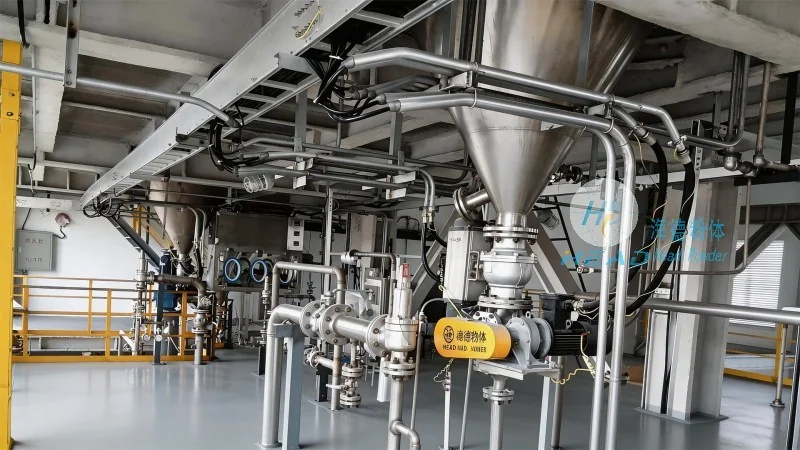
Before delving into specific conveying methods, it's essential to understand the characteristics of foam plastics that influence their handling. Foam plastics, such as polystyrene, polyethylene, and polyurethane, are lightweight, often porous, and can be brittle or flexible depending on their formulation. These properties affect how they move through a system, making some traditional conveying methods less suitable. For instance, foam materials are prone to static electricity, which can cause material buildup or uneven flow. Additionally, their low density means that conventional gravity-based systems may not effectively move them over long distances or through vertical sections without additional assistance.
Several methods are commonly used to transport foam plastics, each with its own advantages and limitations. The selection depends on factors like material type, volume, distance, and the need for material containment. The primary methods include:
Mechanical conveying involves the use of equipment like belt conveyors, screw conveyors, and chain conveyors to move foam plastics. Belt conveyors are often used for horizontal or slight incline transport, suitable for lightweight materials where minimal friction is required. Screw conveyors, or augers, are effective for vertical or inclined transport, as they can handle materials that tend to stick together or have irregular shapes. However, mechanical systems may struggle with foam plastics that are too lightweight or have a tendency to clog the conveyor due to their porous nature. The friction between the material and the conveyor surface can also cause wear and tear, leading to higher maintenance costs over time.
Gravity conveying relies on the natural force of gravity to move materials from a higher to a lower elevation. This method is simple and cost-effective for short distances and when the material has sufficient density to flow under its own weight. For foam plastics, gravity conveying is generally limited to short horizontal or vertical drops, as the material's low density makes it difficult to maintain a consistent flow. In some cases, gravity chutes or hoppers are used to direct foam materials, but they are not suitable for long-distance transport or when the material needs to be processed further. The main drawback of gravity systems is their inability to handle materials that do not flow freely or require precise control over the conveying rate.
Pneumatic conveying, or air-assisted transport, is widely regarded as the most effective method for handling foam plastics. This system uses compressed air to move materials through a pipeline, combining the benefits of both pressure and vacuum systems. There are two main types of pneumatic conveying: pressure and vacuum. Pressure systems use compressed air to push the material forward, while vacuum systems use a vacuum to pull the material into the line. For foam plastics, pressure systems are often preferred as they can handle larger volumes and longer distances more efficiently. The key advantage of pneumatic conveying is its ability to maintain material integrity. Unlike mechanical systems, there is no direct contact between the material and the conveying equipment, reducing the risk of damage or contamination. Additionally, pneumatic systems can handle materials that are prone to static electricity, as the air flow helps to dissipate static charges, preventing material buildup or uneven flow.
A typical foam plastic pneumatic conveying system consists of several key components that work together to ensure efficient and reliable operation. These components include:
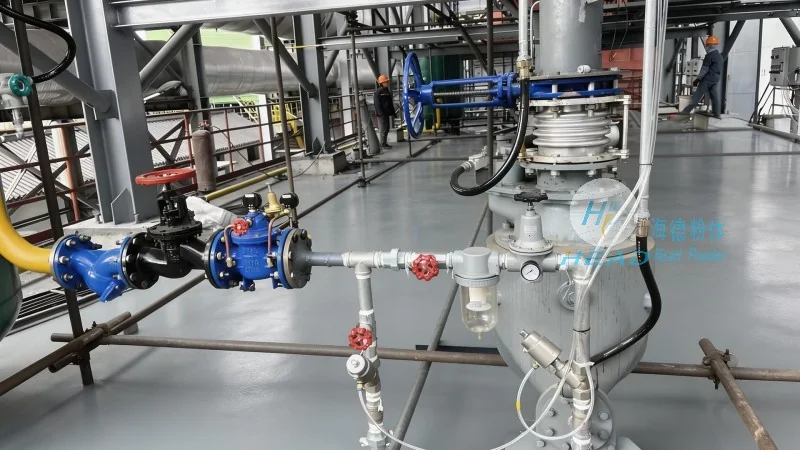
The air compressor or blower is the heart of the pneumatic system, providing the necessary pressure or vacuum to move the material. For foam plastics, a high-efficiency compressor is essential to maintain consistent air pressure and minimize energy consumption. The choice of compressor depends on the system's capacity and the distance the material needs to travel. High-pressure compressors are often used for longer distances or when handling larger volumes, while vacuum blowers are suitable for shorter distances or when the material needs to be drawn from a hopper.
The conveying line is typically made of stainless steel or other corrosion-resistant materials to handle the foam plastic and the air flow. The line is equipped with various fittings, such as elbows, tees, and valves, to direct the material through the system. For foam plastics, the line diameter is often larger than for denser materials to accommodate the lower density and prevent clogging. The fittings are designed to minimize pressure loss and maintain a smooth flow, ensuring that the material moves efficiently through the system.
Hoppers are used to store and feed the foam plastic into the conveying line. The hopper design is critical for ensuring a consistent flow of material. For foam plastics, hoppers are often equipped with vibrators or agitators to prevent material buildup and ensure a steady feed rate. The feeder, such as a rotary valve or a star feeder, controls the amount of material entering the line, preventing overloading and maintaining a consistent conveying rate.
Filters and cyclones are used to separate the foam plastic from the air in the conveying line. This is essential to prevent material loss and maintain a clean system. The filter is typically a bag filter or a cartridge filter, which captures the fine particles of foam plastic. The cyclone separator uses centrifugal force to separate the material from the air, allowing the air to be recirculated back into the system. For foam plastics, the filter and cyclone must be designed to handle the lightweight and porous nature of the material, ensuring that no particles are lost and that the system operates efficiently.
Pneumatic conveying offers several advantages over other methods for handling foam plastics. These advantages include:
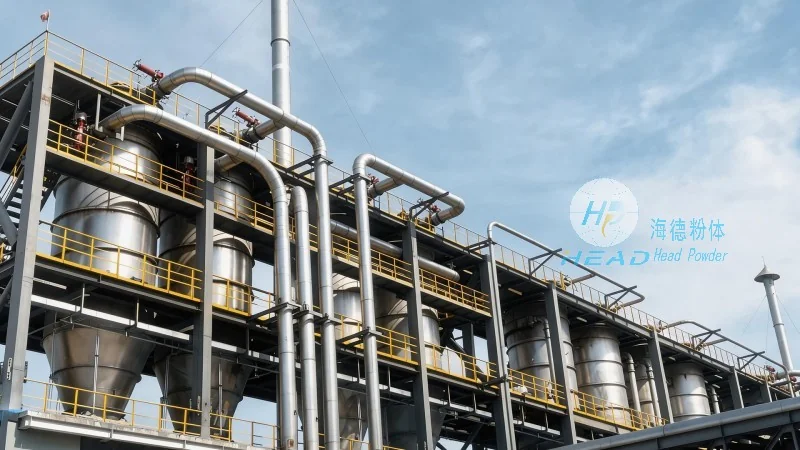
As mentioned earlier, pneumatic systems minimize direct contact between the material and the conveying equipment, reducing the risk of damage or contamination. This is particularly important for foam plastics, which are often used in applications where surface quality is critical, such as packaging or insulation. The gentle handling of the material ensures that its shape and properties are preserved, leading to higher quality end products.
Pneumatic conveying systems are highly versatile and can be adapted to various applications and material types. They can handle a wide range of foam plastics, from lightweight polystyrene to denser polyurethane. The system can also be configured to transport materials over long distances or through complex layouts, making it suitable for large-scale industrial operations.
Compared to mechanical systems, pneumatic conveying systems require less maintenance and have lower operating costs. The lack of moving parts in the conveying line reduces the risk of wear and tear, leading to longer equipment life. Additionally, the energy consumption of pneumatic systems is generally lower than that of mechanical systems, especially for long-distance transport.
Pneumatic conveying systems are enclosed, which helps to contain the material and prevent dust or particles from escaping into the environment. This is particularly important for foam plastics, which can generate fine particles that may be hazardous to workers or the environment. The enclosed system also reduces the risk of material spillage or loss, improving overall safety in the workplace.
When selecting a conveying method for foam plastics, it is essential to consider the material's properties, the application requirements, and the operational constraints. While mechanical and gravity systems have their uses, pneumatic conveying is often the most effective and efficient method for handling foam plastics. The ability to maintain material integrity, handle a wide range of materials, and reduce maintenance costs makes pneumatic systems a preferred choice for many industries.
Shandong HeadPowder Engineering Co., Ltd., a leading provider of conveying solutions, specializes in designing and manufacturing pneumatic conveying systems tailored to the unique needs of foam plastic processing. With years of experience in the industry, the company understands the challenges of handling foam plastics and offers customized solutions that ensure efficient and reliable operation. Based in Shandong, China, HeadPowder Engineering Co., Ltd. serves clients worldwide, providing high-quality equipment and technical support to help businesses optimize their foam plastic processing operations.

 Shandong Headpowder Engineering Co., Ltd.
 156-6277-7102(Manager Zhang)
  0531-83386006
  Zhangqiu District, Jinan City, Shandong Province, China
telephone
WeChatconsult
top