With more than 10‑year industry experience, Shandong Headpowder delivers full‑service pneumatic‑conveying systems and blowers, undertaking nationwide turn‑key powder‑handling projects.
When it comes to transporting oats, selecting the right conveying method is crucial for efficiency, cost-effectiveness, and product integrity. Various options are available, each with its own set of advantages and limitations. This article explores the common oat transport methods and highlights the benefits of pneumatic conveying, a popular choice in the industry.
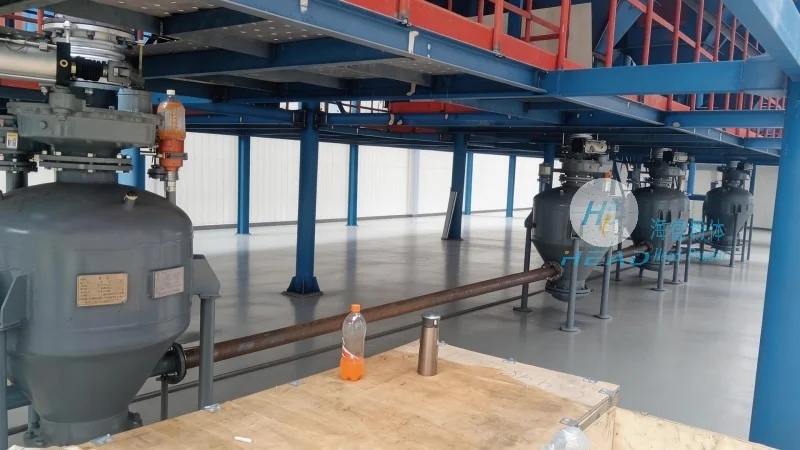
Oats are commonly transported using several methods, including mechanical conveyors, bucket elevators, and pneumatic systems. Mechanical conveyors, such as belt conveyors and screw conveyors, are widely used for bulk material handling. They are relatively simple in design and can handle a wide range of particle sizes. However, they may not be suitable for all environments, especially where dust control is a concern. Bucket elevators are another option, often used in vertical transport applications. They are effective for moving oats from lower to higher levels but can be noisy and require regular maintenance.
Pneumatic conveying, also known as air conveying, is a method that uses air pressure to move materials through a pipeline. For oats, this technology offers several key advantages. First, it provides excellent dust control, which is critical for maintaining product quality and ensuring a safe working environment. Oats are often handled in environments where dust can be a hazard, and pneumatic systems help mitigate this risk by containing the material within a sealed system. Second, pneumatic conveying is highly efficient in terms of energy use. By using compressed air to move the material, it reduces the need for mechanical components that may require more power and maintenance. Third, this method allows for gentle handling of the oats, minimizing the risk of damage to the grain. Oats are delicate and can be easily broken or bruised during transport, and pneumatic systems help preserve their integrity. Additionally, pneumatic conveying systems can be designed for both horizontal and vertical transport, providing flexibility in plant layouts. They can also be integrated with other processing equipment, such as storage silos and processing lines, creating a seamless workflow.
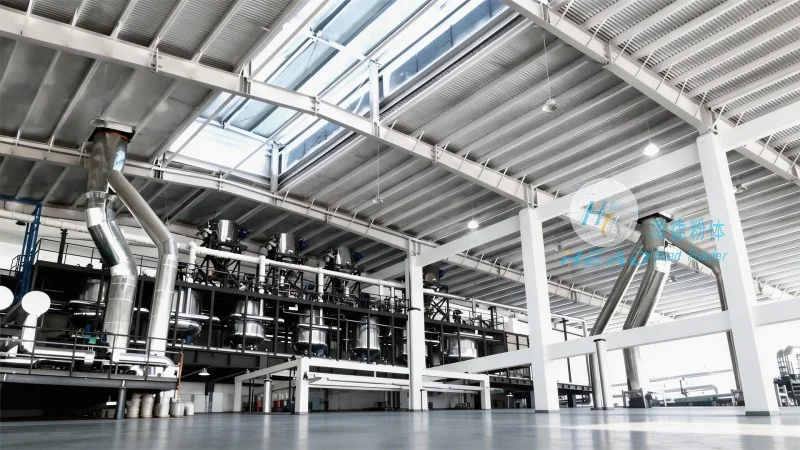
When considering pneumatic conveying for oat transport, several features are important to evaluate. The first is the type of system: dilute-phase or dense-phase. Dilute-phase systems use low air-to-material ratios, moving material quickly through the pipeline. They are suitable for short distances and high throughput. Dense-phase systems, on the other hand, use higher air-to-material ratios, creating a slurry-like flow. This method is ideal for longer distances and for transporting materials that are more prone to segregation or damage. Another feature is the material of construction. Oats are abrasive and can cause wear on the system components. Therefore, systems made from stainless steel or other corrosion-resistant materials are preferred to ensure longevity and maintain product purity. The system's control and monitoring capabilities are also crucial. Modern pneumatic conveying systems often include sensors and controls that allow for real-time monitoring of flow rates, pressure, and temperature. This helps in optimizing performance and preventing issues before they become major problems. Additionally, the system's scalability is an important consideration. As production needs grow, the conveying system should be able to expand to meet the increased demand without significant modifications.

Pneumatic conveying is widely used in various stages of oat processing. For example, in a oat milling plant, pneumatic systems are used to transport raw oats from storage silos to the grinding and milling equipment. This ensures a continuous and efficient flow of material, reducing downtime and improving overall productivity. In the production of oat flour or oat bran, pneumatic conveying is used to move the processed products from the milling equipment to storage tanks or packaging lines. The gentle handling of the material helps maintain the nutritional value and quality of the final product. Additionally, in the storage and handling of oats in grain elevators or bulk handling facilities, pneumatic systems are used to move the grain from one storage bin to another or to load and unload trucks and railcars. This provides a reliable and efficient way to manage large volumes of oats, ensuring that the material is handled safely and effectively.
When selecting an oat conveying system, it is important to consider the specific needs of the operation. Mechanical conveyors may be suitable for smaller operations or where cost is a primary concern. However, for larger-scale operations or where product quality and dust control are critical, pneumatic conveying offers significant advantages. The key is to evaluate the system's efficiency, cost, and ability to handle the specific characteristics of oats. By choosing the right conveying method, oat processors can improve their operational efficiency, reduce costs, and ensure the quality of their final products. As a leading provider of engineering solutions for bulk material handling, Shandong HeadPowder Engineering Co., Ltd. specializes in designing and manufacturing pneumatic conveying systems tailored to the unique needs of oat processing. With years of experience and a commitment to quality, HeadPowder offers reliable and efficient solutions that help oat processors optimize their operations and achieve their production goals.

 Shandong Headpowder Engineering Co., Ltd.
 156-6277-7102(Manager Zhang)
  0531-83386006
  Zhangqiu District, Jinan City, Shandong Province, China
telephone
WeChatconsult
top