With more than 10‑year industry experience, Shandong Headpowder delivers full‑service pneumatic‑conveying systems and blowers, undertaking nationwide turn‑key powder‑handling projects.
When it comes to managing paper chip handling in industrial settings, selecting the right conveying method is crucial for efficiency, cost-effectiveness, and operational reliability. The choice of conveying system directly impacts production flow, material handling costs, and overall plant performance. This article provides a detailed comparison of common paper chip conveying methods, examining their advantages and disadvantages to help industrial facilities make informed decisions.
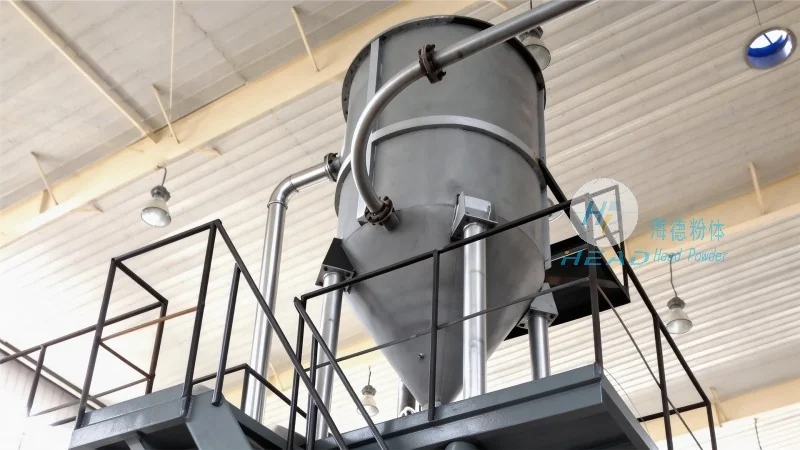
Gravity conveying systems utilize the natural force of gravity to move paper chips from one point to another. These systems typically consist of inclined chutes or troughs that allow chips to flow downward under the influence of gravity. A key advantage of gravity conveying is its simplicity and low energy consumption, as it relies on the weight of the material rather than external power sources. This makes it an economical choice for short-distance applications where the topography of the facility allows for natural slope. However, gravity systems have significant limitations. They are highly dependent on the angle of the chute and the characteristics of the chip material, such as moisture content and size distribution. If the slope is insufficient or the chips are too light, the conveying rate may be insufficient, leading to bottlenecks. Additionally, gravity systems are not suitable for vertical or horizontal transport over long distances, as the required incline becomes impractical or impossible to maintain. This limitation restricts their use to specific scenarios where the layout of the facility naturally supports a downward flow.
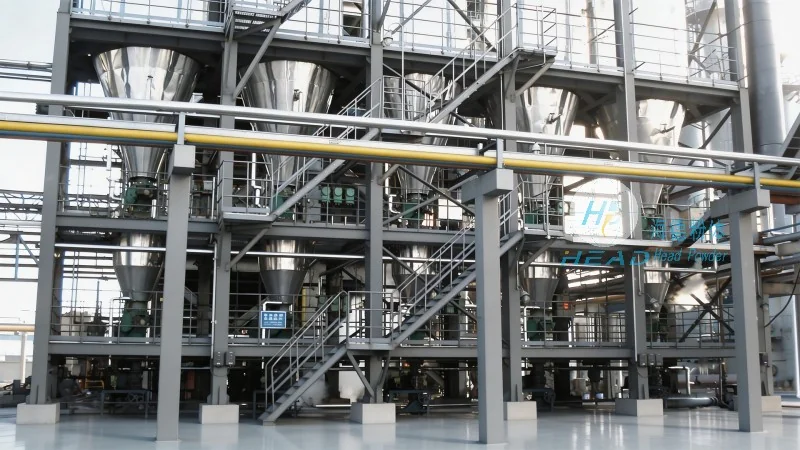
Mechanical conveying systems, such as belt conveyors, use mechanical power to move paper chips. These systems are highly versatile and can handle a wide range of chip sizes and loads. A major advantage of mechanical conveyors is their ability to transport materials over long distances and in multiple directions, including vertical lifts. They are also capable of handling heavy or abrasive chips without significant wear, thanks to robust construction and durable components. Mechanical conveyors are ideal for applications requiring consistent and high-volume material transport, such as in sawmills or paper processing plants. However, these systems come with notable disadvantages. They require significant energy input to operate, which increases operational costs over time. Additionally, mechanical systems are prone to maintenance issues, including belt wear, pulley alignment problems, and motor failures. Regular maintenance is essential to ensure smooth operation, and downtime can be costly for production lines. Another drawback is the space required for installation, as belt conveyors need a clear path and may occupy valuable floor space in industrial facilities. Despite these challenges, mechanical conveyors remain a popular choice for many industries due to their reliability and adaptability.
Air conveying systems, also known as pneumatic conveying, use compressed air to transport paper chips through a network of pipes. This method is particularly effective for handling fine or lightweight chips that are difficult to move with other systems. A key advantage of air conveying is its ability to transport materials in a closed system, which helps maintain cleanliness and prevents dust contamination. It also allows for vertical and horizontal transport over long distances with minimal space requirements. Air conveying systems are often preferred in applications where hygiene is critical, such as in food processing or pharmaceutical industries. However, air conveying has significant drawbacks. The most notable is the high energy consumption, as compressing air and maintaining pressure requires substantial power. This can lead to higher operational costs compared to other methods. Additionally, air conveying systems are susceptible to clogging, especially with wet or sticky chips, which can cause system failures and require frequent cleaning or maintenance. The cost of air compressors and associated equipment is also a factor to consider, as these systems require specialized components to ensure efficient operation. Despite these challenges, air conveying remains a viable option for specific applications where other methods are unsuitable.
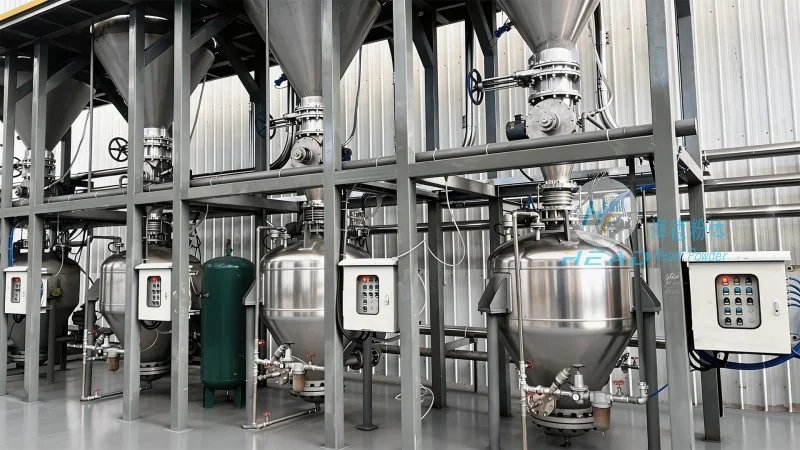
For industrial facilities seeking reliable and efficient paper chip conveying solutions, Shandong HeadPowder Engineering Co., Ltd. offers comprehensive expertise and tailored systems. With a focus on understanding the unique challenges of each application, HeadPowder provides customized conveying solutions that address specific operational needs. The company’s team of engineers and technicians work closely with clients to assess their material handling requirements, facility layout, and production goals. By leveraging advanced technology and industry knowledge, HeadPowder designs and manufactures conveying systems that optimize performance while minimizing costs. Whether a facility requires gravity, mechanical, or air conveying systems, HeadPowder’s solutions are built to withstand the demands of industrial environments. The company’s commitment to quality and customer satisfaction ensures that clients receive systems that meet their exact specifications and deliver long-term reliability. With operations based in Shandong, China, HeadPowder serves a wide range of industries, including woodworking, paper manufacturing, and recycling, providing local support and expertise to its clients.

 Shandong Headpowder Engineering Co., Ltd.
 156-6277-7102(Manager Zhang)
  0531-83386006
  Zhangqiu District, Jinan City, Shandong Province, China
telephone
WeChatconsult
top