With more than 10‑year industry experience, Shandong Headpowder delivers full‑service pneumatic‑conveying systems and blowers, undertaking nationwide turn‑key powder‑handling projects.
When it comes to the processing of malt in the brewing industry, efficient and reliable transport is crucial for maintaining product quality and operational efficiency. Malt, being a key ingredient in beer production, requires careful handling from the storage stage to the brewing kettle. Various methods are employed for malt transport, each with its own set of advantages and disadvantages that impact the overall production process. This article provides a detailed comparison of common malt handling and transport methods, helping industry professionals make informed decisions based on their specific operational needs. HeadPowder, a leading manufacturer of malt handling equipment, understands the importance of selecting the right transport system for optimal brewery performance.
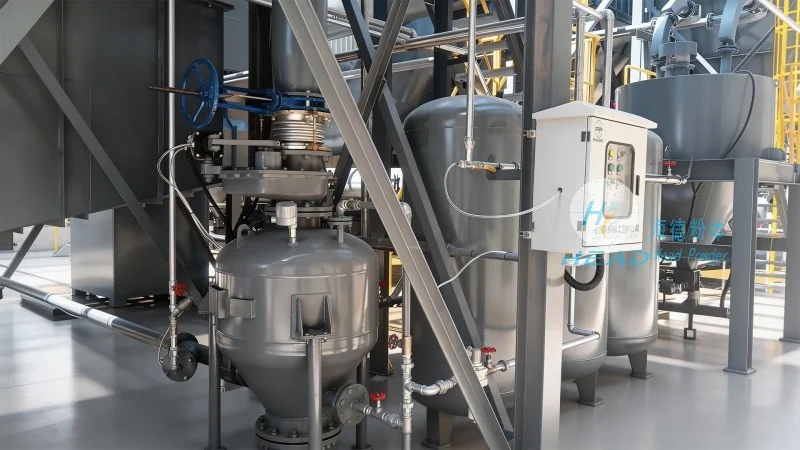
Gravity-based systems utilize the natural force of gravity to move malt from one point to another, typically from storage silos or bins to the brewing equipment. These systems often involve a series of chutes or conveyor sections that allow malt to flow downward under the influence of gravity. The primary advantage of gravity transport is its simplicity and low energy consumption, as it does not require external power sources for the movement of malt. This makes it an economical choice for facilities with existing infrastructure that can support gravity flow. However, the effectiveness of gravity systems is highly dependent on the design of the chutes and the angle of inclination. If the chutes are not properly designed, issues such as blockages or uneven flow can occur, leading to inefficiencies. Additionally, gravity systems may not be suitable for transporting malt over long distances or in vertical applications, as the required slope can become impractical or even impossible to achieve. For example, in a brewery with multiple levels, a gravity system might only be feasible for short horizontal or slight vertical distances, limiting its application in larger-scale operations.
Mechanical conveyors, such as belt and screw conveyors, are widely used in malt handling due to their versatility and ability to transport malt over longer distances and in various orientations. Belt conveyors consist of a continuous belt that moves over rollers or pulleys, with malt placed on the belt and carried to the destination. Screw conveyors, on the other hand, use a rotating screw or auger to push malt through a tube or trough. Both types of mechanical conveyors offer advantages in terms of reliability and control. They can be precisely controlled to adjust the speed and flow rate of malt, ensuring consistent delivery to the brewing process. This level of control is particularly important for maintaining the quality of malt, as excessive speed or pressure can damage the grain structure and affect the final beer characteristics. Additionally, mechanical conveyors can handle a wide range of malt types and conditions, including wet or dry malt, without causing significant degradation. However, these systems require regular maintenance to ensure smooth operation. The moving parts, such as belts, rollers, and screws, are subject to wear and tear, which can lead to increased downtime if not properly maintained. Moreover, mechanical conveyors may generate more noise and vibration compared to gravity systems, which could be a concern in certain production environments. The initial investment cost for mechanical conveyors is also higher than for gravity systems, as they involve more complex components and installation requirements.
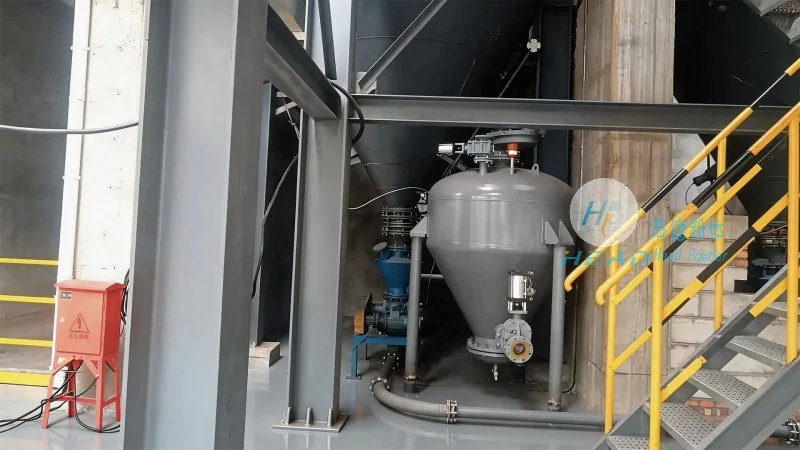
Pneumatic transport systems use compressed air to move malt through a network of pipes or ducts. Malt is typically mixed with air or other gases and then propelled through the system by the pressure difference. This method offers several advantages, particularly in applications where other systems are impractical. For instance, pneumatic transport can handle vertical or horizontal transport over long distances with minimal changes in elevation. It is also well-suited for transporting malt in environments where dust control is critical, as the system can be enclosed to prevent dust emissions. Another advantage is the ability to transport malt in a closed system, which helps maintain product integrity and reduces the risk of contamination. However, pneumatic systems have significant drawbacks that limit their widespread use. The most notable issue is the high energy consumption required to operate the system, as compressing air and maintaining pressure consumes substantial power. This can lead to increased operational costs, especially for large-scale breweries. Additionally, the system can be prone to blockages if the malt is not properly conditioned or if the air flow is insufficient. Blockages can cause system failures and require manual intervention to clear, leading to downtime. Furthermore, pneumatic transport may not be suitable for all malt types, as some grains may be too abrasive or sticky, causing wear on the system components. The maintenance costs for pneumatic systems are also higher due to the need for regular checks on air compressors, filters, and pipe integrity.
Many modern breweries adopt hybrid or integrated systems that combine elements of gravity, mechanical, and pneumatic transport to optimize their malt handling processes. These systems are designed to address the limitations of individual methods while leveraging their strengths. For example, a hybrid system might use gravity to move malt from storage to a central point, followed by a mechanical conveyor to transport it to the brewing equipment. This approach reduces the energy consumption associated with mechanical transport while ensuring efficient movement over longer distances. Integrated systems often include advanced controls and monitoring capabilities, allowing operators to adjust the flow rates and pressures in real-time based on production demands. This level of integration helps maintain consistent malt quality and reduces the risk of bottlenecks or overloading in the system. The use of hybrid solutions is particularly common in large-scale breweries where operational efficiency and cost-effectiveness are critical. However, the complexity of these systems increases the need for specialized maintenance and training for the operational staff. The initial investment cost for hybrid systems is also higher than for single-method systems, as they require more components and a more sophisticated control system. Despite these challenges, the benefits of hybrid and integrated systems often outweigh the drawbacks, making them a popular choice for modern malt handling operations.
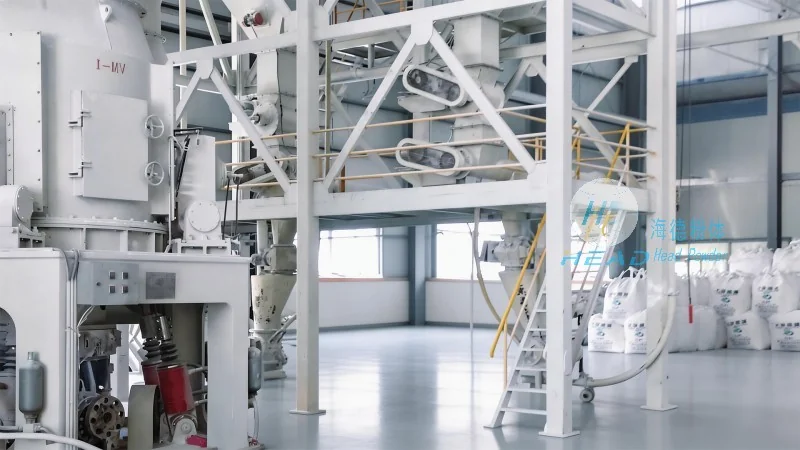
When selecting a malt transport method, several factors must be carefully evaluated to ensure the best fit for a specific brewery. The first consideration is the distance and elevation changes required for transport. Gravity systems are ideal for short horizontal or slight vertical distances, while mechanical and pneumatic systems are better suited for longer distances or vertical transport. The type and condition of the malt also play a significant role. For example, wet or sticky malt may require a system with better control and less abrasive components, such as a screw conveyor or a pneumatic system with specialized filters. The available space and layout of the brewery are another critical factor. Gravity systems require sufficient headroom and space for chutes, while mechanical and pneumatic systems may need more horizontal or vertical space for installation. The budget and operational costs are also important considerations. Gravity systems have the lowest initial and operational costs, while pneumatic systems have the highest. Mechanical systems fall in between, with varying costs depending on the type and capacity. The maintenance requirements and availability of skilled personnel should also be taken into account. Gravity systems require minimal maintenance, while mechanical and pneumatic systems require regular checks and maintenance to ensure reliability. Finally, the desired level of control and flexibility is a key factor. Gravity systems offer limited control, while mechanical and pneumatic systems provide more precise control over the flow rate and pressure. The choice of malt transport method ultimately depends on the specific needs and constraints of the brewery, with no single method being universally superior.
Efficient malt handling and transport are essential for maintaining the quality and consistency of beer production. The choice of transport method depends on various factors, including the distance, elevation changes, malt type, available space, budget, and maintenance requirements. Gravity-based systems offer simplicity and low energy consumption but are limited in their application. Mechanical conveyors provide versatility and control but require more maintenance and higher initial costs. Pneumatic systems are suitable for long distances and enclosed transport but have high energy consumption and maintenance needs. Hybrid and integrated systems combine the strengths of different methods to optimize performance. When selecting a malt transport method, it is important to evaluate each option carefully and consider how it aligns with the brewery's operational goals and constraints. By choosing the right transport system, breweries can ensure efficient malt handling, maintain product quality, and reduce operational costs. The key is to find a balance between the advantages and disadvantages of each method to achieve the best possible outcome for the specific production environment. HeadPowder continues to innovate in malt handling technology, providing tailored solutions that meet the diverse needs of modern breweries in China and beyond.

 Shandong Headpowder Engineering Co., Ltd.
 156-6277-7102(Manager Zhang)
  0531-83386006
  Zhangqiu District, Jinan City, Shandong Province, China
telephone
WeChatconsult
top