With more than 10‑year industry experience, Shandong Headpowder delivers full‑service pneumatic‑conveying systems and blowers, undertaking nationwide turn‑key powder‑handling projects.
Activated carbon powder pneumatic conveying systems are essential equipment in industrial processes, particularly for handling fine powders like activated carbon. This article provides an overview of the equipment, its structural components, and the underlying principles that enable efficient material transport. The system is designed to ensure reliable, low-dust, and energy-efficient operation, making it a preferred choice for various industrial applications.
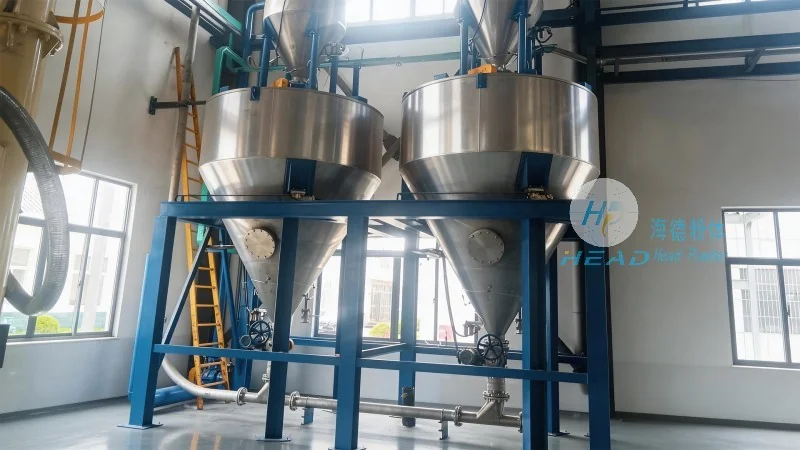
The activated carbon powder pneumatic conveying system, developed by Shandong HeadPowder Engineering Co., Ltd., is a specialized solution for transporting activated carbon powder from storage to processing units. The system integrates advanced engineering principles to handle the unique properties of activated carbon, such as its fine particle size and tendency to agglomerate. By leveraging pneumatic conveying technology, the system minimizes material loss and contamination, ensuring product quality is maintained throughout the transport process.
The system consists of several critical components, each playing a vital role in the overall operation. The primary components include the material feeding unit, the conveying pipeline, the air supply system, the separation and collection unit, and the control system. Each component is carefully designed to work in harmony to achieve optimal performance.
1. **Material Feeding Unit**: This component is responsible for introducing the activated carbon powder into the conveying system. It typically includes a hopper with a feeding valve, which ensures a consistent and controlled flow of material. The design of the hopper and feeding mechanism minimizes the risk of material bridging or clogging, which can occur with fine powders like activated carbon.
2. **Conveying Pipeline**: The pipeline is the main channel through which the activated carbon powder is transported. It is usually made of corrosion-resistant materials, such as stainless steel or special plastic, to prevent interaction with the activated carbon and to ensure durability. The pipeline is equipped with bends and straight sections, strategically placed to maintain the flow velocity and prevent particle deposition.
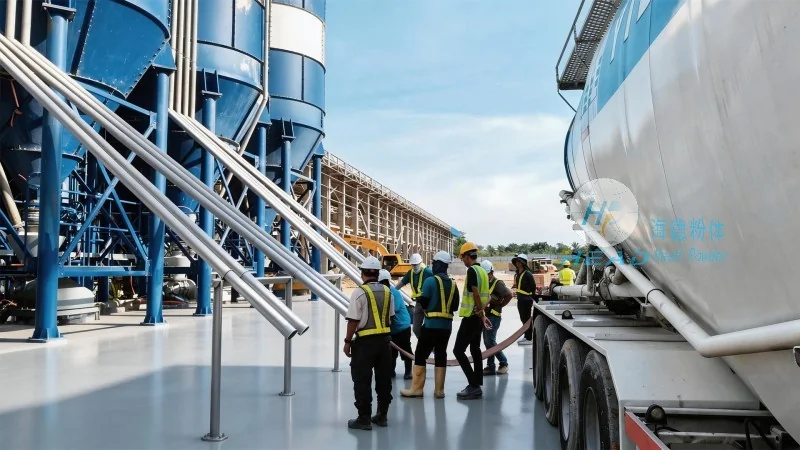
3. **Air Supply System**: This system provides the necessary air pressure and flow rate to move the powder through the pipeline. It includes a blower or compressor, air filters, and pressure regulators. The air supply is critical as it generates the required pneumatic force to overcome the resistance of the powder particles and the pipeline, ensuring smooth and continuous transport.
4. **Separation and Collection Unit**: At the end of the conveying pipeline, the activated carbon powder is separated from the air stream. This unit typically consists of a cyclone separator or a bag filter, which captures the powder and returns it to the process or storage. The separated air is then discharged or recirculated, depending on the system design.
5. **Control System**: The control system monitors and regulates the operation of the entire conveying process. It includes sensors for measuring pressure, flow rate, and material level, as well as control valves and a programmable logic controller (PLC). The system allows for real-time adjustments to maintain optimal performance and prevent issues such as overpressure or material blockages.
The core principle of the activated carbon powder pneumatic conveying system is the use of compressed air to transport the powder particles. The process begins when the activated carbon powder is fed into the system. The air supply then creates a flow of air through the pipeline, carrying the powder particles along with it. The velocity of the air is maintained above the minimum conveying velocity, which is the speed required to keep the powder particles suspended and prevent them from settling out of the air stream.
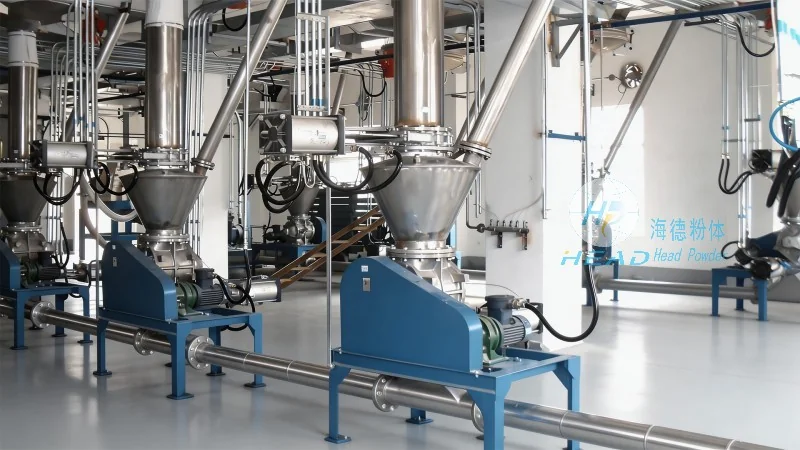
As the mixture of air and powder travels through the pipeline, it encounters various components that help maintain the flow. The bends in the pipeline are designed with a specific radius to minimize pressure loss and prevent particle separation. The separation unit at the end of the pipeline uses centrifugal force to separate the powder from the air, allowing the powder to be collected and the air to be discharged or recycled.
The activated carbon powder pneumatic conveying system offers several advantages over traditional conveying methods, such as belt conveyors or bucket elevators. These advantages include:
1. **Low Dust Generation**: The enclosed system design minimizes dust emissions, which is crucial for maintaining a safe and clean working environment, especially when handling fine powders like activated carbon.
2. **High Efficiency and Reliability**: The system can transport materials over long distances with minimal loss and high throughput, ensuring consistent production rates.
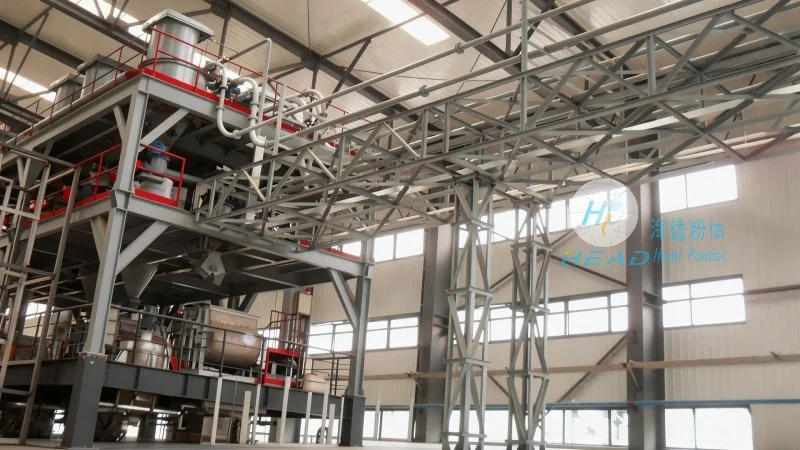
3. **Energy Efficiency**: By optimizing the air flow and pressure, the system can operate with lower energy consumption compared to other conveying methods, reducing operational costs.
4. **Flexibility and Scalability**: The system can be easily adapted to different production requirements, with options for varying conveying distances, material flow rates, and system configurations.
The activated carbon powder pneumatic conveying system is widely used in industries that require the handling of activated carbon, such as water treatment, air purification, and chemical processing. In water treatment plants, the system is used to transport activated carbon from storage to filtration units, ensuring efficient water purification. In air purification systems, the system helps distribute activated carbon to adsorption units, enhancing the removal of pollutants from air streams. In chemical processing, the system is used to transport activated carbon for various chemical reactions and processes, contributing to the overall efficiency of the production line.
Shandong HeadPowder Engineering Co., Ltd. has developed a reliable and efficient activated carbon powder pneumatic conveying system that meets the demands of modern industrial applications. The system's advanced structural design and working principles ensure high performance, low maintenance, and long-term durability. By leveraging this technology, industries can improve their operational efficiency, reduce costs, and maintain product quality. The system is a testament to the company's commitment to providing innovative solutions for material handling challenges in the activated carbon industry.

 Shandong Headpowder Engineering Co., Ltd.
 156-6277-7102(Manager Zhang)
  0531-83386006
  Zhangqiu District, Jinan City, Shandong Province, China
telephone
WeChatconsult
top