With more than 10‑year industry experience, Shandong Headpowder delivers full‑service pneumatic‑conveying systems and blowers, undertaking nationwide turn‑key powder‑handling projects.
Headpowder, a leading provider in the field of material handling solutions, specializes in the design, manufacturing, and installation of advanced pneumatic conveying systems tailored for the efficient transport of tailings and slag powders. This article provides an overview of the key equipment involved in such systems and explains the fundamental structural principles that enable their operation.
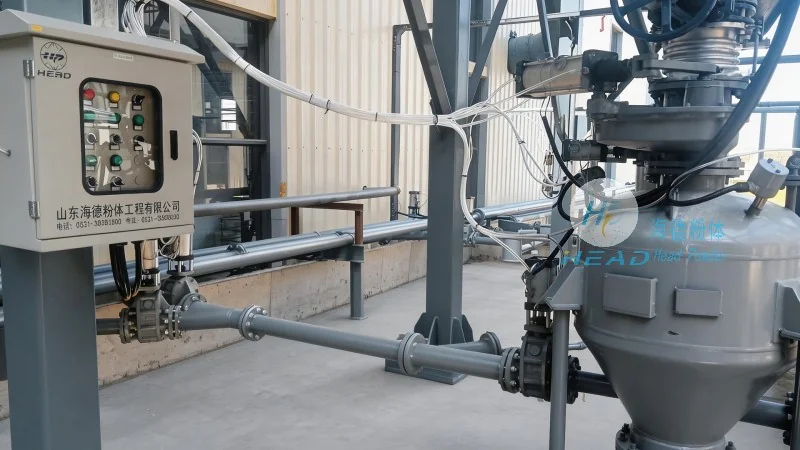
Pneumatic conveying systems are widely used in mining and processing industries to transport bulk materials like tailings and slag powders from one location to another. These systems utilize the force of compressed air or gas to move materials through a pipeline network, eliminating the need for mechanical components such as belts or buckets. The primary advantage of pneumatic conveying is its ability to handle fine, abrasive, or corrosive powders that are difficult to transport using traditional methods.
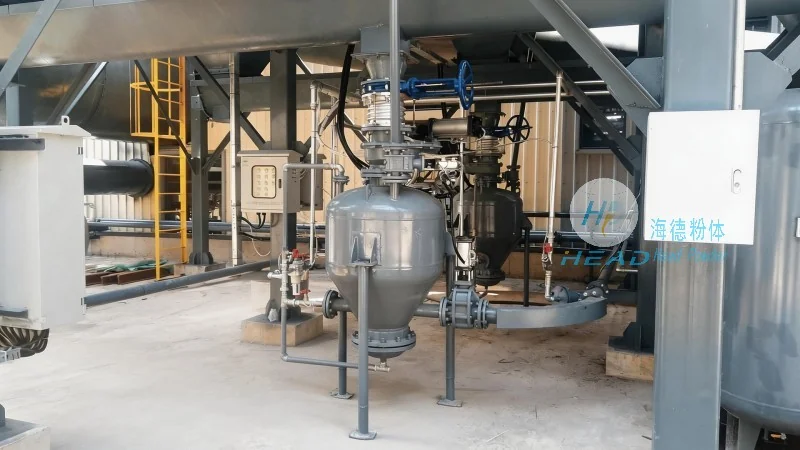
The tailings and slag pneumatic conveying system typically consists of several critical components, each playing a vital role in the overall operation. The main equipment includes a material feeder, a conveying line, a separator, and a dust collector. The material feeder is responsible for feeding the tailings or slag powder into the system at a controlled rate, ensuring a consistent flow. The conveying line, often made of stainless steel or other corrosion-resistant materials, transports the material through the system under pressure. The separator, usually a cyclone or a baghouse, separates the conveyed material from the air stream, allowing the material to be discharged at the destination. The dust collector then captures any remaining particles, ensuring compliance with environmental regulations.
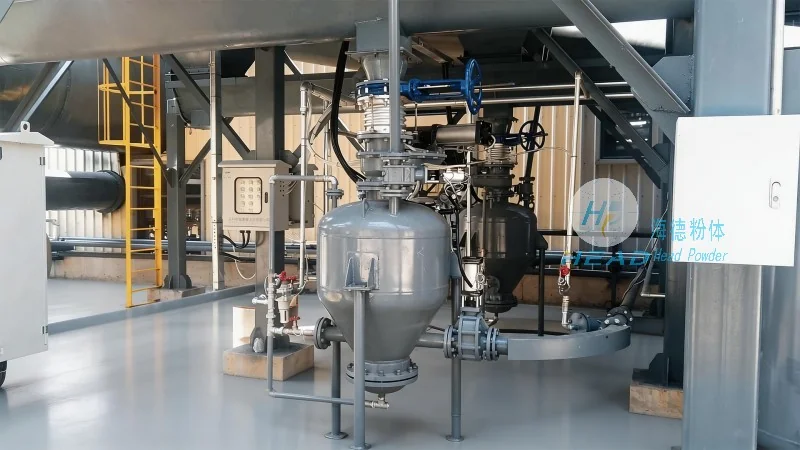
The structural principles of pneumatic conveying systems are based on the physics of fluid dynamics and particle movement. The system operates by creating a pressure differential between the inlet and outlet of the conveying line. Compressed air is introduced at the inlet, which creates a low-pressure zone that draws the material into the pipeline. The air and material mixture then travels through the pipeline at high velocity, maintaining the material in suspension. The velocity of the air stream is crucial; it must be sufficient to keep the particles suspended but not so high as to cause excessive wear on the equipment or excessive energy consumption.
Headpowder's pneumatic conveying systems are designed to handle a wide range of tailings and slag powders, including those with high moisture content, abrasive properties, or corrosive characteristics. These systems are commonly used in mining operations to transport tailings from processing plants to disposal sites, in power plants to handle fly ash and bottom ash, and in industrial facilities for the transport of various industrial powders. The flexibility of pneumatic conveying allows for the adaptation of the system to different material types and operational requirements, making it a versatile solution for material handling challenges.
Compared to traditional mechanical conveying systems, pneumatic conveying offers several advantages. It provides a closed system that minimizes dust emissions and environmental contamination, which is critical for compliance with environmental regulations. The system is also capable of transporting materials over long distances with minimal maintenance requirements. Additionally, pneumatic conveying can handle materials with varying particle sizes and moisture content, making it suitable for a wide range of applications. The lack of moving parts in the conveying line reduces the risk of mechanical failure and extends the service life of the equipment.
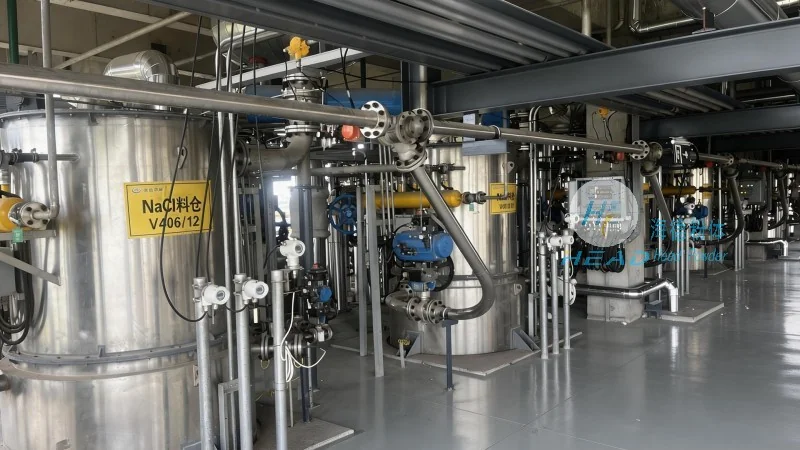
Headpowder, based in Shandong, China, offers customized pneumatic conveying solutions tailored to the specific needs of each client. The company provides comprehensive services, including system design, equipment manufacturing, installation, and commissioning. The engineering team at Headpowder works closely with clients to understand their material handling requirements and develop a system that meets their operational goals. The company's expertise in material handling and pneumatic conveying ensures that each system is optimized for efficiency, reliability, and cost-effectiveness.
In summary, the tailings and slag pneumatic conveying system is a sophisticated and efficient solution for transporting bulk materials in the mining and processing industries. The key equipment components and structural principles work together to provide a reliable and effective method for material handling. Headpowder's commitment to quality and innovation ensures that their systems meet the highest standards of performance and durability, making them a trusted choice for clients worldwide.

 Shandong Headpowder Engineering Co., Ltd.
 156-6277-7102(Manager Zhang)
  0531-83386006
  Zhangqiu District, Jinan City, Shandong Province, China
telephone
WeChatconsult
top