With more than 10‑year industry experience, Shandong Headpowder delivers full‑service pneumatic‑conveying systems and blowers, undertaking nationwide turn‑key powder‑handling projects.
HeadPowder, a leading manufacturer based in Shandong, China, specializes in the design and production of advanced pneumatic conveying systems tailored for bulk material handling, including sugar processing applications. This article provides an in-depth look at the structure and working principles of sugar pneumatic conveying equipment, highlighting the technical innovations and practical applications that make these systems efficient and reliable for sugar industry operations.
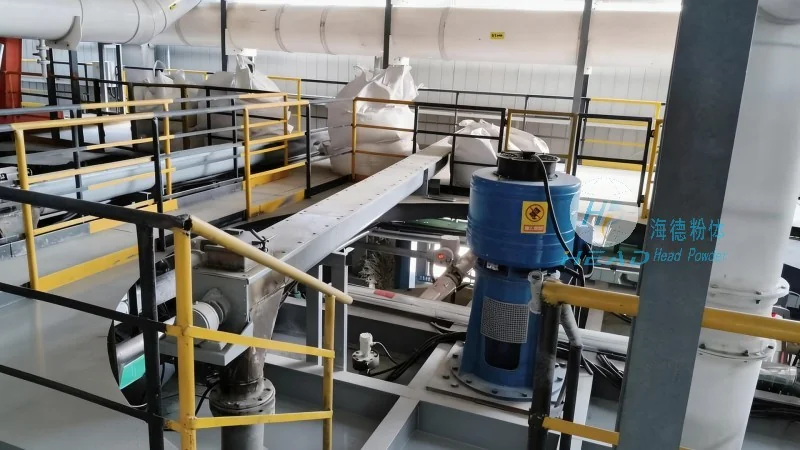
Pneumatic conveying equipment is a critical component in modern sugar processing facilities, enabling the safe and efficient transport of granular or powdered sugar from storage silos to processing lines, packaging areas, or other destinations within the plant. Unlike traditional mechanical conveyors, which rely on belts, chains, or screws, pneumatic systems utilize air pressure to move materials, offering advantages such as reduced maintenance, minimal product contamination, and the ability to handle a wide range of sugar types, from raw sugar to refined white sugar and even sugar syrups.
The core structure of a sugar pneumatic conveying system typically includes several essential components that work in tandem to ensure smooth material transport. These components are designed to handle the unique characteristics of sugar, such as its granular size, moisture content, and potential for caking or bridging. The main structural elements include:
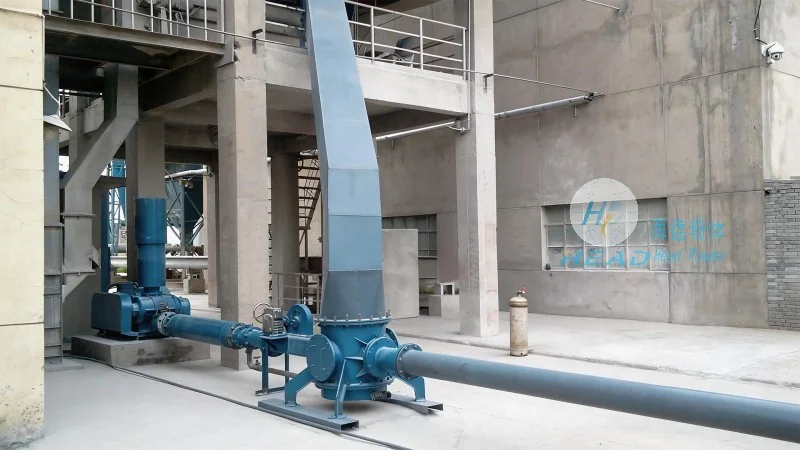
The operation of a sugar pneumatic conveying system is based on the principles of fluid dynamics and air movement. There are two primary types of pneumatic conveying systems used in the sugar industry: the suction (or vacuum) system and the pressure system. Each type has distinct working principles and applications.
In a suction system, a vacuum is created at the inlet of the conveying line using a vacuum pump. This vacuum draws sugar from the feed hopper into the hose. As the sugar enters the line, it is mixed with air, forming a slurry that is then transported to the receiving hopper. The vacuum system is ideal for applications where the sugar needs to be transported from a lower elevation to a higher one, or when the material is to be collected from multiple points. The key advantage of this system is its ability to handle long conveying distances and multiple pickup points without the need for additional pressure sources.
In a pressure system, compressed air is introduced into the conveying line from a compressor. The air pressure pushes the sugar through the hose, moving it from the feed hopper to the receiving hopper. This system is typically used for short to medium conveying distances and when the sugar needs to be transported from a higher elevation to a lower one. The pressure system offers higher conveying speeds and is more suitable for applications where the sugar is to be discharged into a storage silo or a packaging machine. The design of the pressure system includes pressure regulators to control the air pressure and prevent over-pressurization.
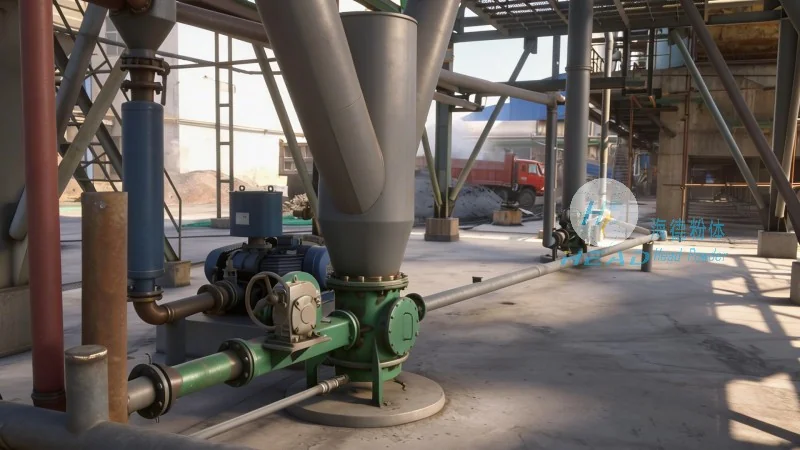
Compared to traditional mechanical conveyors, pneumatic conveying systems offer several advantages that make them the preferred choice for sugar processing facilities. These advantages include:
HeadPowder Engineering Co., Ltd., based in Shandong, China, is a leading manufacturer of pneumatic conveying systems specifically designed for the sugar industry. With years of experience and a deep understanding of the unique challenges faced by sugar processors, HeadPowder provides customized solutions that meet the specific needs of each client. The company's engineers work closely with clients to design systems that optimize conveying efficiency, minimize product loss, and ensure compliance with industry standards.
HeadPowder's sugar pneumatic conveying equipment is built with high-quality materials, such as stainless steel and food-grade plastics, to ensure durability and hygiene. The systems are equipped with advanced control panels that allow for precise monitoring and adjustment of conveying parameters, such as air pressure, flow rate, and temperature. This level of control helps maintain consistent product quality and reduces the risk of equipment failure.
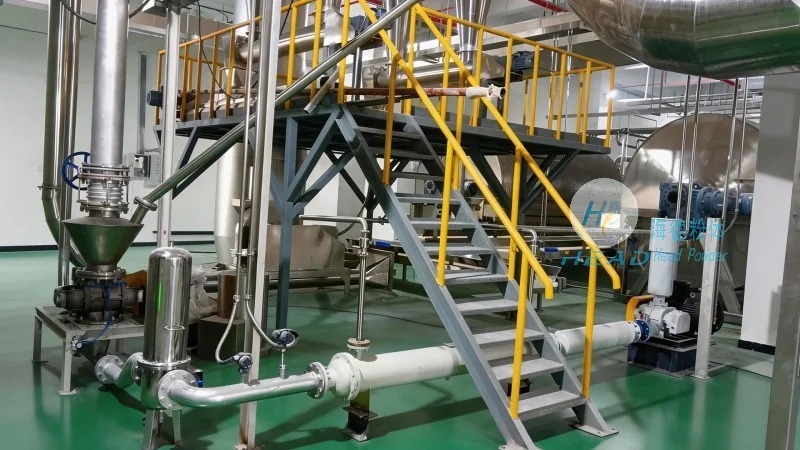
HeadPowder's commitment to innovation is evident in its use of cutting-edge technologies, such as variable frequency drives (VFDs) and intelligent sensors, which enhance the performance and reliability of its pneumatic conveying systems. These technologies enable real-time monitoring of system performance, early detection of potential issues, and automatic adjustments to maintain optimal conveying conditions.
Pneumatic conveying equipment plays a vital role in modern sugar processing facilities, enabling efficient, hygienic, and cost-effective transport of sugar products. The structural design and working principles of these systems are carefully engineered to handle the unique characteristics of sugar, ensuring that the material is transported safely and without contamination. With its expertise in designing and manufacturing advanced pneumatic conveying systems, HeadPowder Engineering Co., Ltd. continues to be a trusted partner for sugar processing facilities worldwide, helping them improve their operational efficiency and maintain high product quality.

 Shandong Headpowder Engineering Co., Ltd.
 156-6277-7102(Manager Zhang)
  0531-83386006
  Zhangqiu District, Jinan City, Shandong Province, China
telephone
WeChatconsult
top