With more than 10‑year industry experience, Shandong Headpowder delivers full‑service pneumatic‑conveying systems and blowers, undertaking nationwide turn‑key powder‑handling projects.
Wood dust pneumatic conveying systems are essential equipment in industrial processes that handle wood dust, sawdust, and other fine particulate materials. These systems utilize air as the primary medium to transport materials from one location to another, offering a dust-free and efficient method compared to traditional mechanical conveying methods. The core of such systems lies in their ability to handle fine powders without clogging or degradation, making them ideal for applications in woodworking, furniture manufacturing, and biomass processing industries.
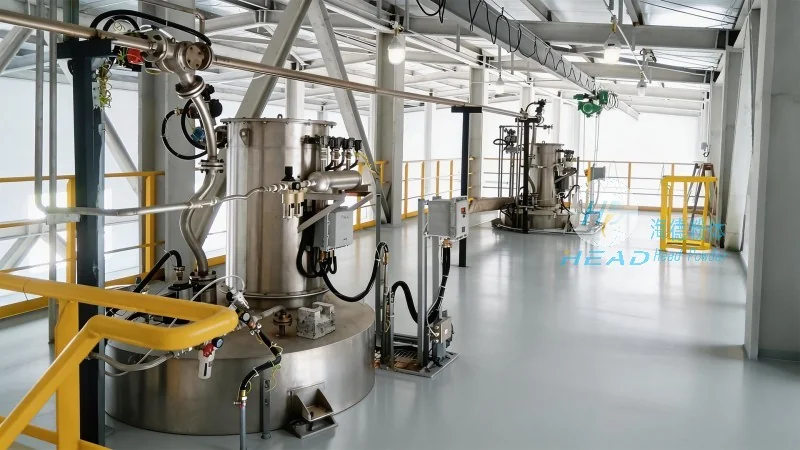
The structure of a typical wood dust pneumatic conveying system consists of several critical components that work in tandem to ensure smooth material transport. The main components include the material feed hopper, the air compressor or blower, the conveying line (usually a pipeline), and the discharge unit. The feed hopper is designed to hold the wood dust and provide a controlled feed rate, preventing overloading and ensuring consistent material flow. The air compressor generates the necessary air pressure to move the dust particles through the pipeline. The conveying line, often made of stainless steel or other corrosion-resistant materials, is designed to withstand the abrasive nature of wood dust and maintain air pressure. The discharge unit, which can be a rotary valve or a dust collector, collects the material at the end of the conveying line, ensuring efficient material discharge and preventing dust leakage.
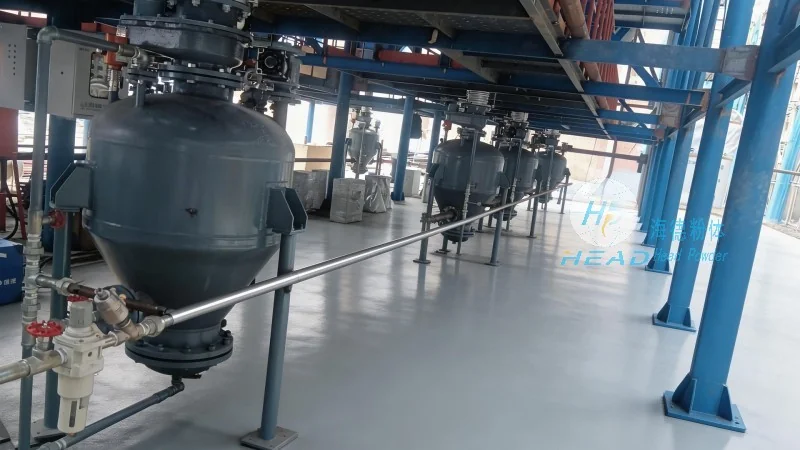
The working principle of a wood dust pneumatic conveying system is based on the principle of fluidization and particle suspension. When air is forced through the conveying line at a high velocity, it creates a low-pressure zone that draws the wood dust particles into the pipeline. The particles are then suspended in the air stream and transported to the discharge point. The system operates in either positive pressure or negative pressure modes. In positive pressure systems, the air compressor pushes air and material through the line, while in negative pressure systems, a vacuum pump creates a suction force to draw the material. The choice between positive and negative pressure depends on the distance, material characteristics, and system design requirements. The system's efficiency is influenced by factors such as air velocity, material moisture content, and particle size, all of which need to be optimized for consistent performance.
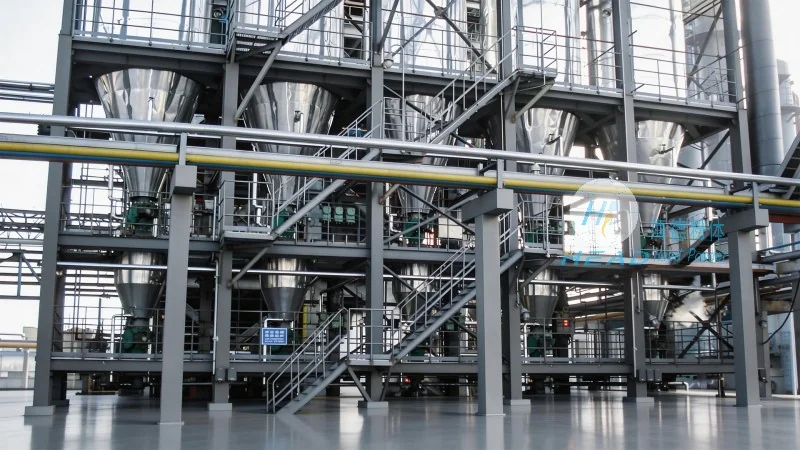
Compared to traditional mechanical conveying methods, wood dust pneumatic conveying systems offer several advantages. First, they provide a dust-free environment, reducing the risk of respiratory issues and improving workplace safety. Second, they are highly efficient in transporting fine materials over long distances without clogging or degradation. Third, the systems are relatively compact and can be easily integrated into existing industrial setups. Additionally, they offer better control over material flow and can handle varying material loads without significant performance degradation. These advantages make pneumatic conveying an attractive option for industries dealing with wood dust and similar fine particulates.
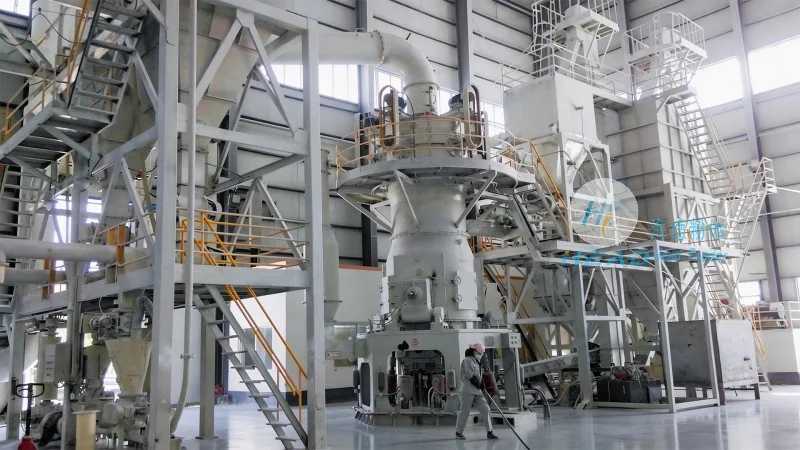
Shandong HeadPowder Engineering Co., Ltd., commonly known as headpowder, is a leading manufacturer and supplier of pneumatic conveying systems and related equipment. With a focus on innovation and quality, the company specializes in designing and manufacturing systems tailored to the specific needs of wood dust and other fine material applications. Headpowder's products are known for their durability, efficiency, and reliability, making them a trusted choice for industries in woodworking, furniture manufacturing, and biomass processing. The company's headquarters is located in Shandong, China, where it operates a state-of-the-art manufacturing facility and research and development center. Headpowder is committed to providing high-quality solutions that meet the evolving needs of its customers, ensuring optimal performance and long-term reliability in material handling applications.

 Shandong Headpowder Engineering Co., Ltd.
 156-6277-7102(Manager Zhang)
  0531-83386006
  Zhangqiu District, Jinan City, Shandong Province, China
telephone
WeChatconsult
top