With more than 10‑year industry experience, Shandong Headpowder delivers full‑service pneumatic‑conveying systems and blowers, undertaking nationwide turn‑key powder‑handling projects.
Colored sand pneumatic conveyors are specialized equipment designed for the efficient and dust-free transportation of colored sand particles. As a key component in the production and processing of colored sand, these systems play a crucial role in ensuring the quality and consistency of the final product. The following overview will delve into the fundamental structure and operational principles of such conveyors, providing a clear understanding of their design and functionality.
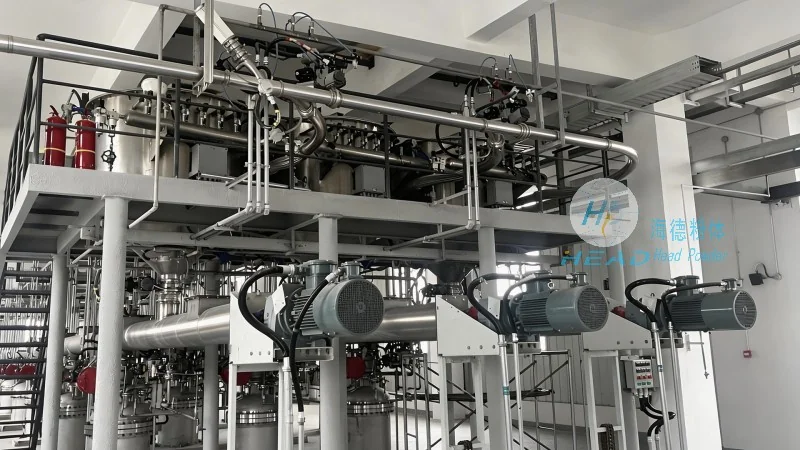
HeadPowder, a leading manufacturer based in Shandong, China, specializes in the development and production of advanced pneumatic conveying systems tailored to the unique demands of colored sand applications. With years of industry experience, the company has refined its technology to deliver reliable, high-performance equipment that meets the stringent requirements of modern manufacturing processes. The company’s commitment to innovation and quality ensures that each conveyor system is engineered to optimize performance, reduce maintenance, and enhance overall operational efficiency.
The core structure of a colored sand pneumatic conveyor typically consists of several key components that work in tandem to facilitate the transport of sand particles. The primary elements include a hopper for material storage, a feeding mechanism to control the flow of sand into the system, a conveying line (often equipped with a pressure vessel or air tank), and a discharge outlet for delivering the material to its destination. Each component is carefully designed to handle the specific characteristics of colored sand, such as particle size, density, and moisture content, ensuring smooth and uninterrupted operation.
The working principle of a pneumatic conveyor relies on the movement of air or gas to transport solid particles. In the case of colored sand, the system operates by creating a pressure differential between the inlet and outlet of the conveying line. Air is introduced into the system, either by a blower or compressor, and is directed through the conveying line at a controlled velocity. As the air flows, it entrains the colored sand particles, forming a mixture known as a "slurry" or "pneumatic stream." This stream is then propelled through the pipeline to the desired location, where it is discharged and separated from the air using a cyclone separator or other filtration equipment.
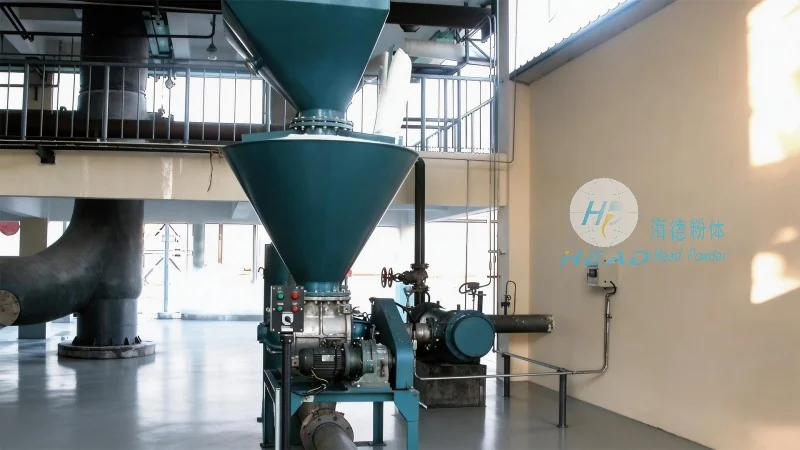
One of the critical aspects of the structure is the hopper, which serves as the primary storage container for the colored sand. The hopper is typically made of durable materials, such as stainless steel or high-density plastic, to withstand the abrasive nature of the sand particles and prevent contamination. It is equipped with a feeding valve or gate that allows for precise control over the material flow rate, ensuring that the conveyor operates at optimal capacity without overloading the system. The design of the hopper also includes features to minimize material bridging or caking, which can occur due to the moisture content or particle size distribution of the colored sand.
The feeding mechanism, often a rotary valve or screw feeder, is responsible for regulating the amount of sand entering the conveying line. This component is crucial for maintaining a consistent flow rate, as fluctuations in the feed can lead to uneven material transport or system inefficiencies. The rotary valve, for instance, uses a rotating impeller to push the sand into the conveying line, while the screw feeder employs a helical screw to gradually move the material forward. Both systems are designed to handle the varying characteristics of colored sand, ensuring that the feed rate is adjustable and responsive to changes in production demand.
The conveying line itself is a critical component that determines the efficiency and reliability of the pneumatic system. It is typically constructed from materials that are resistant to corrosion and abrasion, such as stainless steel or high-grade plastic, to withstand the constant impact of sand particles. The line is usually equipped with bends and elbows to navigate the path from the hopper to the discharge point, and these components are designed with smooth, rounded surfaces to minimize friction and prevent material buildup. The length and diameter of the conveying line are carefully selected based on the distance to be covered and the required flow rate, ensuring that the system operates within its optimal performance range.
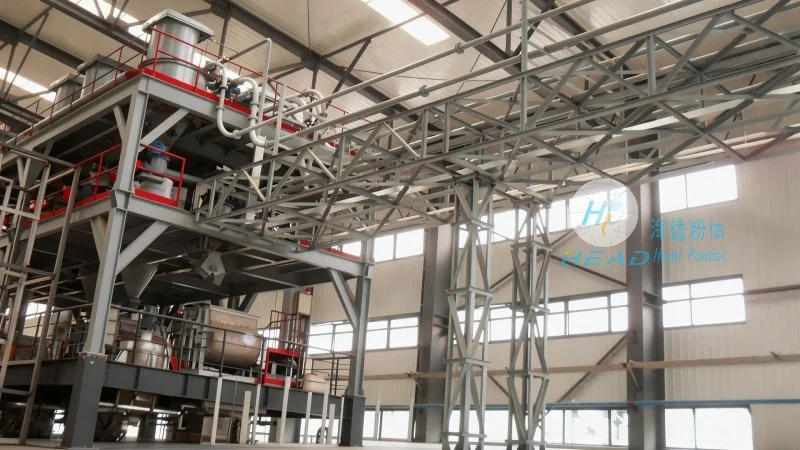
The discharge outlet, or receiver, is where the colored sand is separated from the air and collected. This component typically includes a cyclone separator, which uses centrifugal force to separate the sand particles from the air stream. The cyclone is designed with a conical shape, and as the air-sand mixture enters the top of the separator, it is forced to rotate at high speed. The heavier sand particles are thrown against the inner wall of the cone and fall to the bottom, where they are collected in a discharge bin. The air, now free of sand, exits the top of the cyclone and is either vented to the atmosphere or recirculated back into the system, depending on the design and operational requirements.
HeadPowder’s expertise in designing and manufacturing colored sand pneumatic conveyors is evident in the attention to detail and engineering precision incorporated into each system. The company’s engineers work closely with clients to understand their specific production needs, such as the type of colored sand being processed, the required throughput, and the distance of the transport. This collaborative approach ensures that the final conveyor system is tailored to meet the exact requirements of the application, maximizing efficiency and minimizing downtime. The company’s commitment to quality control is reflected in the rigorous testing and validation processes that each conveyor undergoes before delivery, ensuring that it meets or exceeds industry standards.
In conclusion, colored sand pneumatic conveyors are essential equipment for the efficient and clean transportation of colored sand in various industrial applications. The structure and working principles of these systems are carefully designed to handle the unique characteristics of colored sand, ensuring reliable and consistent performance. With advanced engineering and a focus on quality, manufacturers like HeadPowder continue to provide innovative solutions that enhance the productivity and sustainability of colored sand production processes. By understanding the components and operational principles of such conveyors, users can make informed decisions when selecting and implementing these systems in their operations.

 Shandong Headpowder Engineering Co., Ltd.
 156-6277-7102(Manager Zhang)
  0531-83386006
  Zhangqiu District, Jinan City, Shandong Province, China
telephone
WeChatconsult
top