

Operation Process and Working Principle of Oat Material Pneumatic Conveying
Efficient material handling is crucial in agricultural processing, particularly when dealing with bulk commodities like oats. Pneumatic conveying systems have emerged as a reliable solution for transporting oat materials, offering advantages such as reduced contamination, minimal dust generation, and the ability to handle a wide range of particle sizes. This article delves into the operation process and working principle of oat material pneumatic conveying, highlighting the key components and steps involved in the process.
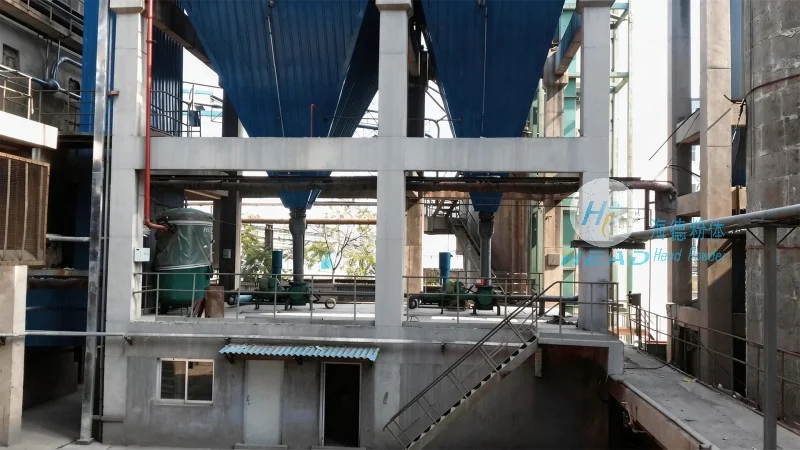
Understanding Oat Material Characteristics for Pneumatic Conveying
Oats are a versatile grain commonly used in food and animal feed industries. The physical properties of oat material, including particle size distribution, moisture content, and bulk density, significantly impact the design and performance of pneumatic conveying systems. For instance, oats typically have a relatively uniform particle size, ranging from 2 to 8 millimeters, which facilitates consistent air flow and reduces the risk of blockages. However, variations in moisture content can affect the material's flowability and the system's air consumption. Proper understanding of these characteristics is essential for optimizing the conveying process and ensuring efficient operation.
Key Components of Oat Material Pneumatic Conveying Systems
The pneumatic conveying system for oat materials consists of several critical components that work in tandem to transport the grain. These include the hopper or feeder, which feeds the material into the system; the air supply unit, which generates the necessary airflow; the conveying line, which transports the material and air mixture; the separation unit, which separates the material from the air; and the discharge device, which collects the conveyed material. Each component plays a vital role in maintaining the system's efficiency and reliability.
Operation Process of Oat Material Pneumatic Conveying
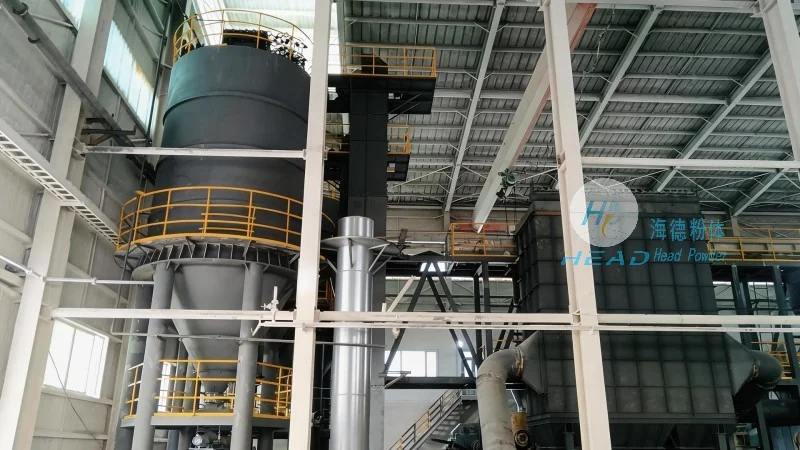
The operation process of oat material pneumatic conveying involves a series of sequential steps designed to move the grain from the source to the destination. The process typically begins with the material being loaded into the hopper or feeder. The feeder then regulates the flow of oats into the conveying line, ensuring a consistent feed rate. Simultaneously, the air supply unit generates a high-pressure or low-pressure airflow, depending on the system design. The air is introduced into the conveying line, creating a mixture of oats and air. As the mixture travels through the pipes, the air propels the oats forward, while the separation unit at the end of the line separates the material from the air. The separated oats are then discharged into a collection bin or storage area. This continuous cycle allows for the efficient and uninterrupted transport of oat materials.
Working Principle of Oat Material Pneumatic Conveying
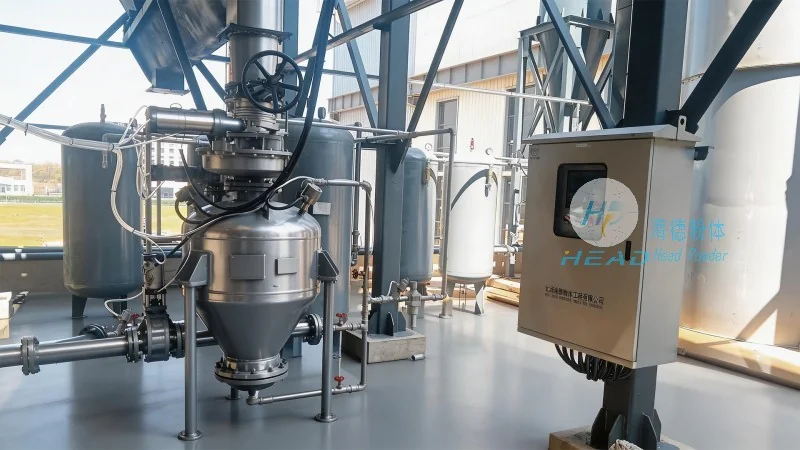
The working principle of oat material pneumatic conveying is based on the interaction between the material and the air flow. There are two primary types of pneumatic conveying systems: positive pressure and negative pressure. Positive pressure systems use a blower or fan to generate air pressure within the conveying line, pushing the material forward. Negative pressure systems, on the other hand, use a vacuum pump to create a low-pressure environment, drawing the material and air mixture into the line. For oat materials, positive pressure systems are often preferred due to their ability to handle higher material loads and their suitability for long-distance conveying. The air velocity within the conveying line is carefully controlled to ensure that the oats are fully suspended and transported without causing excessive wear on the system components. The design of the conveying line, including the pipe diameter and bends, is optimized to minimize pressure drop and maintain consistent airflow.
Benefits and Considerations in Oat Material Pneumatic Conveying
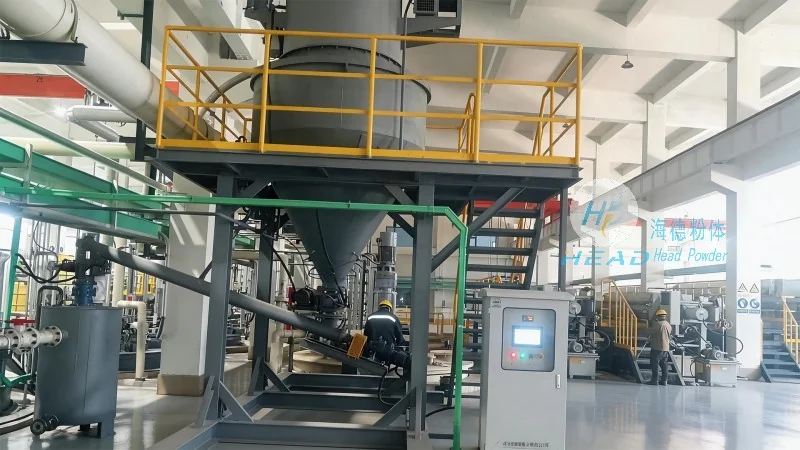
Pneumatic conveying systems offer several benefits when handling oat materials, including reduced labor costs, improved hygiene, and the ability to transport materials over long distances. However, there are also considerations to keep in mind, such as the need for regular maintenance to prevent blockages and ensure consistent performance. The system's efficiency can be affected by factors like the material's moisture content, particle size, and the design of the conveying line. Proper maintenance, including cleaning and inspection of components, is essential to maintain the system's performance and extend its lifespan.
About Shandong HeadPowder Engineering Co., Ltd.
Shandong HeadPowder Engineering Co., Ltd., commonly known as HeadPowder, is a leading provider of pneumatic conveying solutions for agricultural and industrial applications. With years of experience in the industry, HeadPowder specializes in designing and manufacturing customized pneumatic conveying systems tailored to the specific needs of clients. The company's expertise lies in understanding the unique characteristics of different materials, such as oats, and optimizing the system design to ensure efficient and reliable operation. HeadPowder's commitment to quality and innovation has made it a trusted partner for businesses in the agricultural sector, offering solutions that enhance productivity and reduce operational costs.