With more than 10‑year industry experience, Shandong Headpowder delivers full‑service pneumatic‑conveying systems and blowers, undertaking nationwide turn‑key powder‑handling projects.
Alkali material pneumatic conveying systems are critical components in industrial processing, particularly for handling caustic soda and other similar bulk materials. These systems efficiently transport materials through a network of pipes using air or other gases as the conveying medium. Understanding the operation process and working principle is essential for optimizing performance, ensuring safety, and maintaining efficiency in industrial applications.
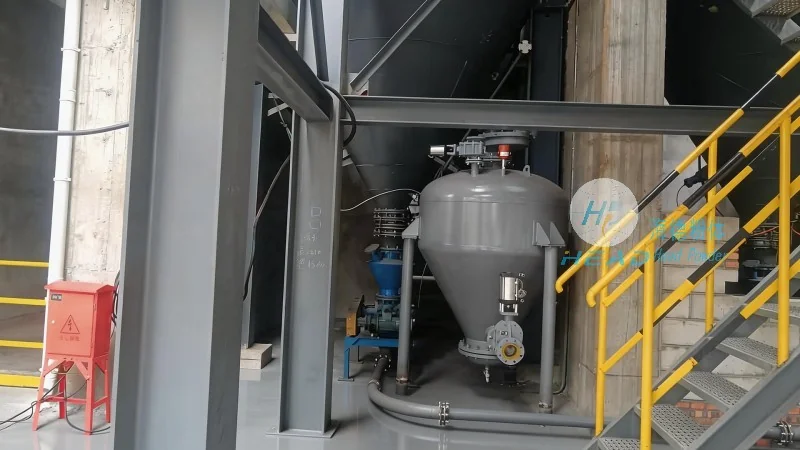
Pneumatic conveying systems for alkali materials, such as caustic soda (sodium hydroxide), are designed to transport bulk solids over short to medium distances. The primary goal is to move these materials from a source, like a storage silo or hopper, to a destination, such as a processing unit or packaging area. The systems typically consist of several key components, including a material feed device, a conveying line, a separation or collection system, and a control unit. Each component plays a vital role in the overall operation, ensuring that the material is transported safely and efficiently.
The operation process of an alkali material pneumatic conveying system involves several sequential steps. First, the material is fed into the system from a storage hopper or silo. A feed device, such as a rotary valve or a screw feeder, controls the flow rate of the material into the conveying line. Next, the material is introduced into the pipeline along with a high-velocity air stream. The air velocity is typically maintained at a level sufficient to suspend the material particles and propel them through the pipe. As the material travels through the conveying line, it may encounter various components, such as bends, expansions, or filters, which help maintain the flow and prevent blockages. The conveying line is usually made of materials resistant to corrosion, such as stainless steel or special alloys, to withstand the caustic nature of the alkali material. Upon reaching the destination, the material is separated from the air stream through a collection device, such as a cyclone separator or a bag filter. The separated material is then discharged into a receiving container or processing equipment. Finally, the air stream is filtered and discharged to the atmosphere, ensuring compliance with environmental regulations.
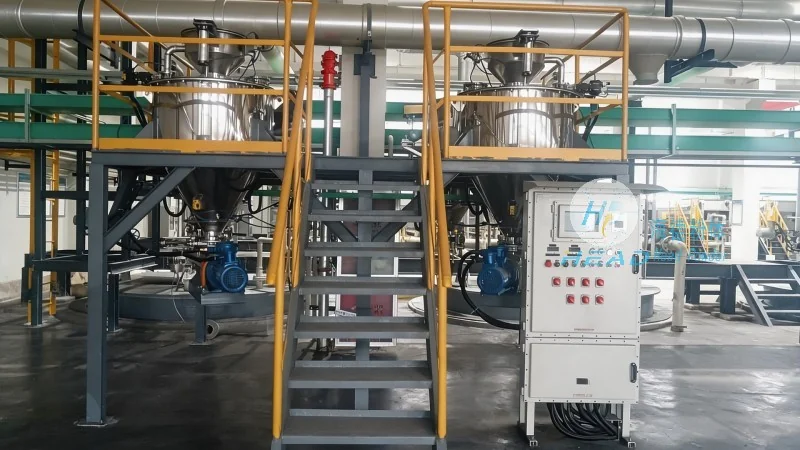
The working principle of alkali material pneumatic conveying is based on the fundamental concept of fluidization and particle suspension. When air is introduced into the conveying line at a high velocity, it creates a turbulent flow that lifts and suspends the solid particles. The key to effective conveying is maintaining a sufficient air velocity to overcome the gravitational forces acting on the particles. The air velocity must be high enough to keep the particles in suspension but not so high as to cause excessive wear on the system components or to generate excessive dust. The system operates under either positive pressure (pressure conveying) or negative pressure (vacuum conveying), depending on the application and the distance to be covered. Positive pressure systems use a blower or a positive displacement pump to generate the air pressure, while negative pressure systems use a vacuum pump to create a suction effect. The choice between positive and negative pressure depends on factors such as the distance, the material characteristics, and the system layout. In both cases, the air flow is controlled to ensure consistent material transport and to minimize energy consumption.
Several critical components are integral to the operation of alkali material pneumatic conveying systems. The material feed device, such as a rotary valve or a screw feeder, regulates the flow of the alkali material into the system, ensuring a consistent feed rate. The conveying line, typically made of stainless steel or other corrosion-resistant materials, transports the material and air mixture. The separation or collection system, such as a cyclone separator or a bag filter, separates the material from the air stream, preventing dust emissions and ensuring the material is properly discharged. The control unit, which may include sensors and a programmable logic controller (PLC), monitors the system parameters, such as pressure, flow rate, and temperature, and adjusts the operation as needed to maintain optimal performance. Additionally, the system may include a dust collection system to capture any airborne particles and a safety system to prevent overpressure or other hazards.
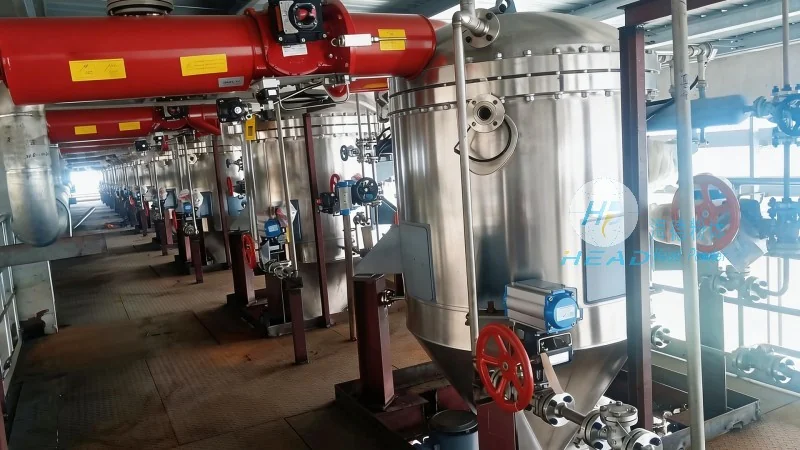
Alkali material pneumatic conveying systems offer several advantages over traditional mechanical conveying methods. These include reduced labor costs, as the system can operate automatically with minimal human intervention. The systems also minimize material degradation, as the material is not subjected to mechanical stress or friction during transport. Furthermore, pneumatic conveying systems can handle a wide range of material sizes and shapes, including powders, granules, and lumps. The systems are particularly suitable for handling caustic soda and other corrosive materials, as they can be designed with corrosion-resistant components that ensure long service life and minimal maintenance. The applications of these systems are diverse, including the chemical industry, where caustic soda is used in the production of soaps, detergents, and other products. They are also used in the food industry for handling certain food-grade alkali materials and in the pharmaceutical industry for transporting raw materials that require strict contamination control.
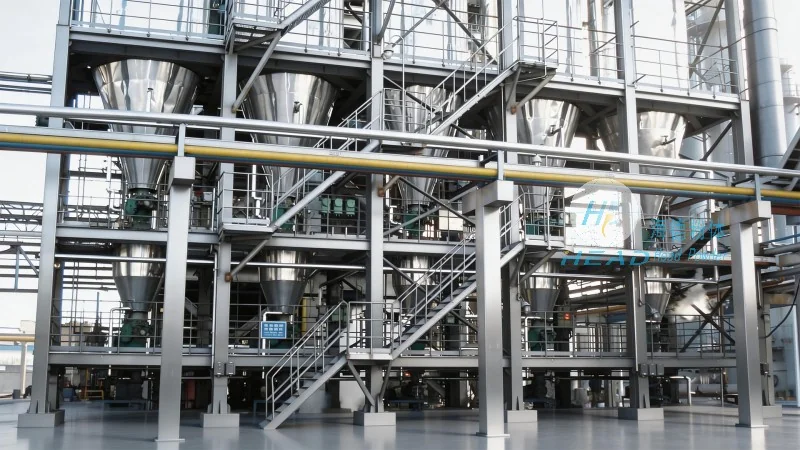
Maintaining the performance and safety of alkali material pneumatic conveying systems is crucial for ensuring long-term operation. Regular maintenance, including inspections of the conveying line, feed devices, and separation systems, is necessary to identify and address any potential issues before they become major problems. The system components should be checked for signs of wear, corrosion, or blockages, and replaced as needed. The air filtration system should be cleaned or replaced regularly to prevent clogging and ensure proper air flow. Safety considerations are also critical, as the systems handle corrosive materials and operate at high pressures or velocities. Proper training for operators is essential to ensure they understand the system's operation and safety procedures. The system should be equipped with safety devices, such as pressure relief valves and emergency shut-off valves, to prevent overpressure and other hazards. Additionally, the system should be designed to comply with relevant environmental regulations, such as dust emission limits and noise control standards.
Alkali material pneumatic conveying systems are efficient and reliable solutions for transporting caustic soda and other similar bulk materials in industrial applications. Understanding the operation process and working principle is essential for optimizing system performance and ensuring safety. The systems offer several benefits, including reduced labor costs, minimized material degradation, and the ability to handle a wide range of material types. Proper maintenance and safety measures are crucial for ensuring the long-term operation of these systems. As a leading provider of engineering solutions, Shandong HeadPowder Engineering Co., Ltd. specializes in designing and manufacturing high-quality pneumatic conveying systems tailored to the specific needs of industrial clients. With a focus on quality, reliability, and customer satisfaction, HeadPowder provides comprehensive solutions for alkali material handling, helping clients improve their operational efficiency and productivity.

 Shandong Headpowder Engineering Co., Ltd.
 156-6277-7102(Manager Zhang)
  0531-83386006
  Zhangqiu District, Jinan City, Shandong Province, China
telephone
WeChatconsult
top