With more than 10‑year industry experience, Shandong Headpowder delivers full‑service pneumatic‑conveying systems and blowers, undertaking nationwide turn‑key powder‑handling projects.
Textile fiber powders are a fundamental component in the textile manufacturing sector, and efficient handling of these materials is pivotal for maintaining production efficiency and ensuring product quality. Air-pneumatic conveying equipment has become a trusted solution for transporting textile fiber powders, offering benefits such as low maintenance, minimal product contamination, and the capacity to handle diverse fiber types. This article provides a comprehensive overview of the operation process and working principle of such equipment, detailing the key components, operational steps, and technical aspects that contribute to its effectiveness in textile processing.
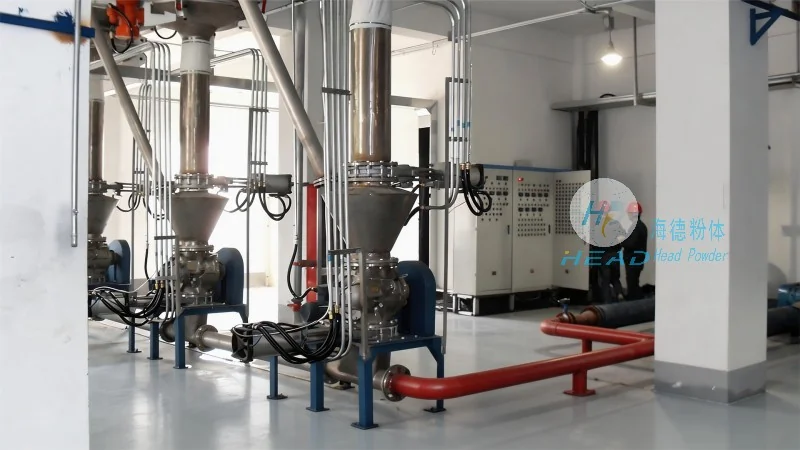
The air-pneumatic conveying system for textile fiber powders typically comprises several essential components that collaborate to facilitate material transport. These components include the material hopper, which serves as the initial storage and feeding unit; the air compressor or blower, which generates the necessary airflow to move the fibers; the conveying line, which may be constructed from flexible or rigid tubing based on the system design; and the receiving hopper or discharge unit, where the material is deposited. Additionally, control valves, filters, and pressure regulators are often integrated to manage airflow, prevent clogging, and maintain consistent pressure levels throughout the system.
The operation process of the air-pneumatic conveying equipment for textile fiber powders involves a series of sequential steps that ensure efficient and safe material transport. The process initiates with the loading of textile fiber powder into the material hopper. Once the hopper is filled, the air compressor activates, generating a high-pressure airflow directed into the conveying line. As the air flows through the line, it creates a low-pressure zone that draws the fiber powder from the hopper into the line. The fiber particles are then carried along with the air stream, moving through the conveying line to the receiving hopper. At the discharge point, the air flow is reduced or halted, allowing the fiber powder to settle and be collected. The system may also incorporate a filter to remove fine particles or debris from the air, ensuring that the discharged material remains clean and free from contamination.
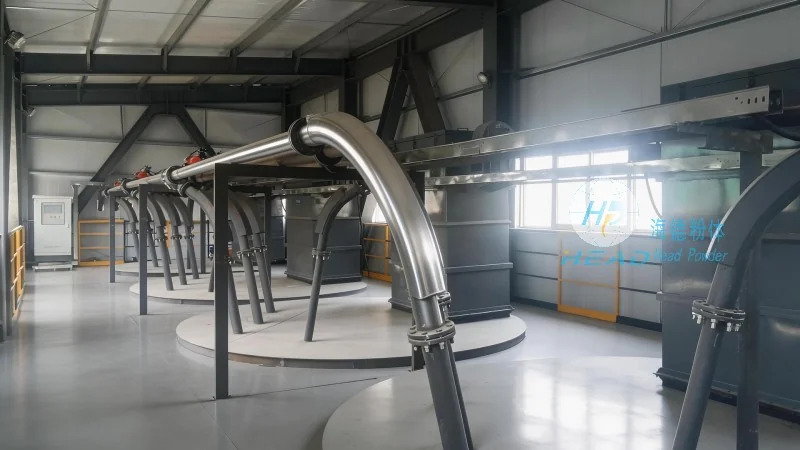
The working principle of the air-pneumatic conveying system for textile fiber powders is grounded in fluid dynamics and particle transport mechanics. The system operates by establishing a pressure differential between the material hopper and the receiving hopper, which drives the movement of the fiber particles. The air compressor provides the necessary pressure to overcome the resistance of the conveying line and the weight of the fiber particles, ensuring efficient transport. The low-pressure zone created by the airflow in the conveying line acts as a suction mechanism, drawing the fiber powder into the line and maintaining a consistent flow rate. The design of the conveying line—including its diameter and length—is critical to optimizing system performance, as it directly impacts pressure drop and the ability to handle different fiber types and particle sizes.
Compared to traditional mechanical conveying methods, air-pneumatic conveying offers several advantages for handling textile fiber powders. A primary benefit is the reduced risk of product contamination, as the system is enclosed and does not require direct contact between the material and external components. Additionally, the system is less prone to clogging, as the airflow helps keep fiber particles suspended and moving through the line. The low maintenance requirements and the ability to handle a wide range of fiber types and particle sizes also make air-pneumatic conveying a cost-effective solution for textile manufacturers. Furthermore, the system can be easily integrated into existing production lines, allowing for seamless material transport without disrupting the overall workflow.
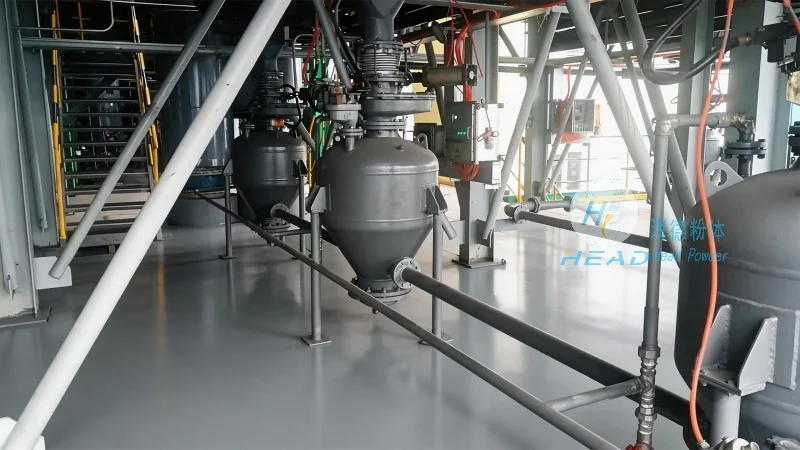
The air-pneumatic conveying equipment is widely utilized in various stages of textile manufacturing, including raw material handling, blending, and finishing processes. In raw material handling, the equipment is used to transport textile fiber powders from storage silos to processing machines, ensuring a continuous supply of material. During blending, the system can be employed to mix different fiber types or to add colorants and other additives to the fiber mix, maintaining consistent product quality. In finishing processes, the equipment may be used to transport finished fibers or yarns, or to handle waste materials for recycling. The versatility and efficiency of the air-pneumatic conveying system make it an essential component in modern textile manufacturing facilities.
Comprehending the operation process and working principle of air-pneumatic conveying equipment for textile fiber powders is vital for textile manufacturers seeking to optimize their material handling processes. The system's ability to efficiently transport fiber powders while minimizing contamination and maintenance requirements makes it a preferred choice in the industry. As a leading manufacturer of such equipment, Shandong HeadPowder Engineering Co., Ltd. (headpowder) has developed advanced air-pneumatic conveying systems tailored to the specific needs of textile manufacturers, ensuring reliable and efficient material transport. With its commitment to quality and innovation, headpowder continues to provide solutions that enhance production efficiency and product quality in the textile industry.

 Shandong Headpowder Engineering Co., Ltd.
 156-6277-7102(Manager Zhang)
  0531-83386006
  Zhangqiu District, Jinan City, Shandong Province, China
telephone
WeChatconsult
top