With more than 10‑year industry experience, Shandong Headpowder delivers full‑service pneumatic‑conveying systems and blowers, undertaking nationwide turn‑key powder‑handling projects.
Pneumatic conveying equipment is a critical component in the processing and handling of lithium-ion battery material powders. These systems are designed to efficiently transport fine powders such as lithium carbonate, lithium hydroxide, and other battery active materials. The technology ensures safe, dust-free, and controlled movement of these materials, which is essential for maintaining product quality and operational safety in battery manufacturing facilities.
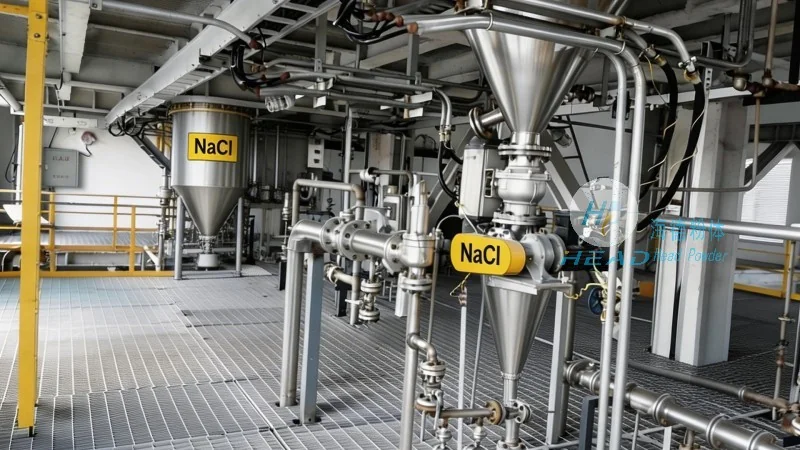
Headpowder, a leading manufacturer of specialized powder handling solutions, provides advanced pneumatic conveying systems tailored for the lithium-ion battery industry. With a focus on innovation and precision engineering, Headpowder's equipment is engineered to meet the stringent requirements of modern battery production lines. The company is headquartered in Shandong, China, and has established a strong reputation for delivering reliable and efficient solutions that enhance productivity and reduce operational risks.
The core of pneumatic conveying is the use of air flow to move powder particles through a pipeline. There are two primary types of systems: pressure and vacuum. In pressure systems, compressed air is introduced into the material hopper, creating a pressure differential that propels the powder forward. Vacuum systems, on the other hand, use a vacuum pump to draw the powder from the source into the conveying line. For lithium-ion battery materials, pressure systems are commonly preferred due to their ability to handle high volumes and maintain consistent flow rates.
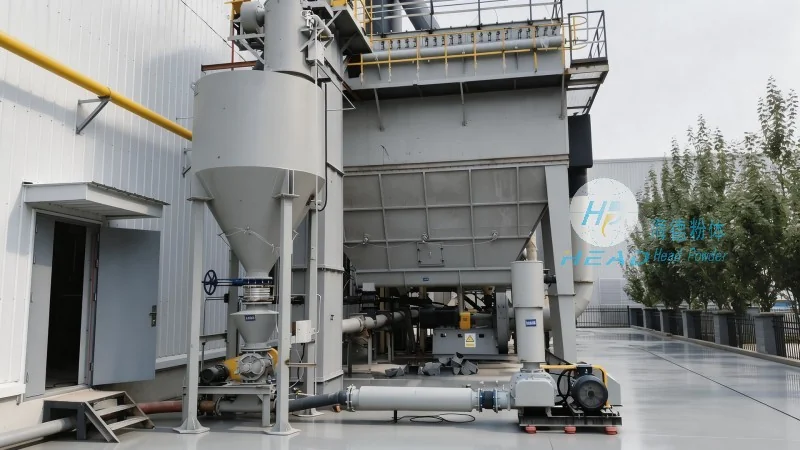
Several key components work together to ensure the smooth operation of a pneumatic conveying system. The material hopper or silo is where the powder is stored and fed into the system. A feeder, such as a rotary valve or a screw feeder, controls the flow rate of the material into the conveying line. The pipeline itself is typically made of stainless steel or other corrosion-resistant materials to prevent contamination and ensure durability. A filter or cyclone separator is used to separate the powder from the air at the end of the line, preventing dust emissions and maintaining air quality. Finally, a fan or blower provides the necessary air pressure or vacuum to drive the conveying process.
The operation of a pneumatic conveying system involves a series of steps to ensure safe and efficient material transport. The process begins with the startup sequence: the system is first checked for proper air pressure or vacuum levels, and the feeder is activated to start feeding the powder. The fan or blower is then turned on, creating the required air flow. As the powder is introduced into the pipeline, it is carried by the air stream and transported to the destination point, such as a storage silo or processing unit. The system continues to operate until the material hopper is empty or the desired amount has been transferred. The shutdown process involves reversing the startup sequence: the feeder is stopped first, followed by the fan or blower, and finally, the system is depressurized to prevent any residual powder from being released.
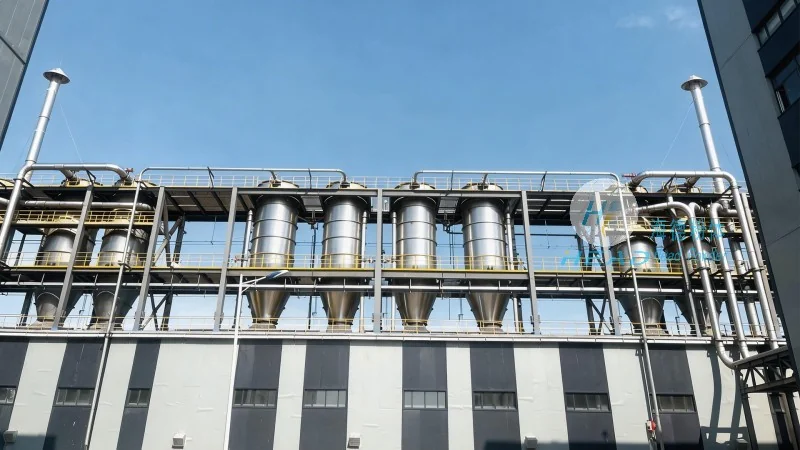
Pneumatic conveying offers several advantages when handling lithium-ion battery material powders. First, it provides a dust-free environment, which is crucial for maintaining product purity and preventing contamination. Second, the system is highly flexible, allowing for changes in material flow rates and destinations without significant modifications. Third, it reduces the risk of material degradation due to minimal contact with equipment surfaces. Additionally, pneumatic conveying systems are compact and can be integrated into existing production lines, saving space and improving overall efficiency.
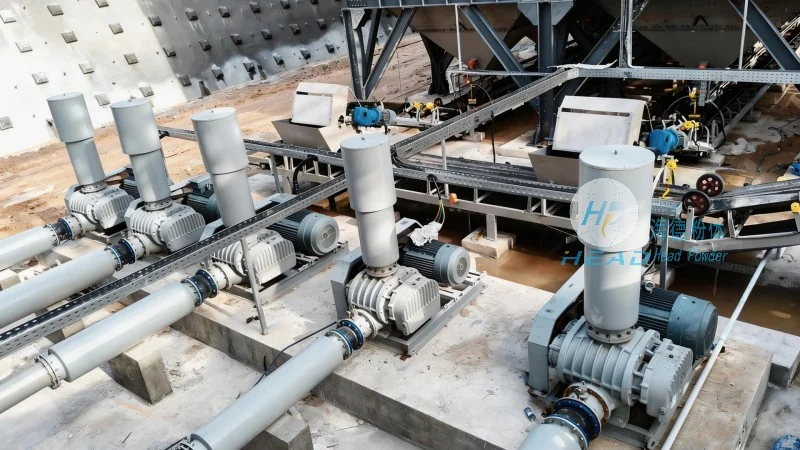
Proper maintenance is essential to ensure the long-term performance and safety of pneumatic conveying equipment. Regular checks of air pressure, filter condition, and feeder operation are recommended to prevent system failures. The equipment should also be inspected for any signs of wear or damage, such as leaks or clogs in the pipeline. Safety considerations include ensuring proper ventilation to remove dust and fumes, and implementing emergency stop procedures in case of system malfunctions. By adhering to these maintenance and safety guidelines, operators can maximize the lifespan of the equipment and minimize the risk of accidents in the workplace.
Pneumatic conveying equipment plays a vital role in the efficient and safe handling of lithium-ion battery material powders. Through its advanced design and operation, these systems contribute to higher productivity, better product quality, and enhanced workplace safety. As the demand for lithium-ion batteries continues to grow, the importance of reliable powder handling solutions like those offered by Headpowder will only increase. By understanding the working principles and operation process of such equipment, manufacturers can optimize their production lines and stay competitive in the market.

 Shandong Headpowder Engineering Co., Ltd.
 156-6277-7102(Manager Zhang)
  0531-83386006
  Zhangqiu District, Jinan City, Shandong Province, China
telephone
WeChatconsult
top