With more than 10‑year industry experience, Shandong Headpowder delivers full‑service pneumatic‑conveying systems and blowers, undertaking nationwide turn‑key powder‑handling projects.
Rapeseed, also known as canola, is a vital agricultural commodity widely utilized in the production of oil and other derivatives. The efficient handling and transportation of rapeseed from the field to processing facilities are essential for preserving quality and optimizing production workflows. Pneumatic conveying systems have emerged as a highly effective method for this purpose, offering advantages in terms of speed, cleanliness, and adaptability. This article delves into the fundamental principles of rapeseed pneumatic conveying and highlights the key characteristics of its operational scenarios.
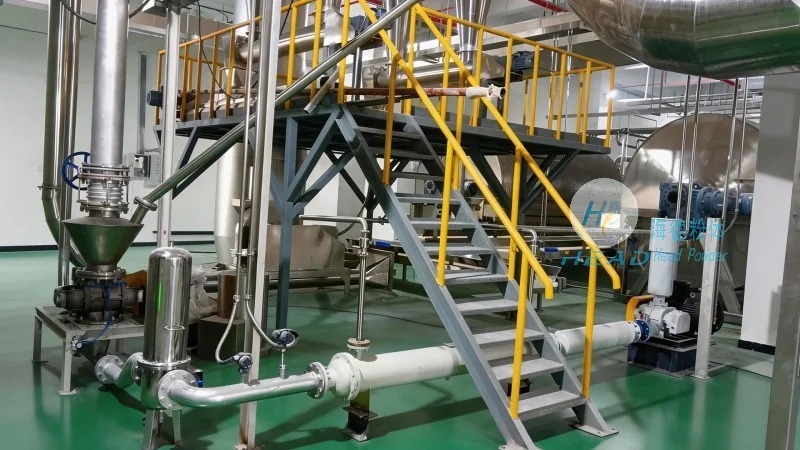
Pneumatic conveying operates by utilizing air movement to transport solid materials like rapeseed through a pipeline. The core principle involves establishing a pressure differential that propels the material forward. Two primary system types exist: pressure and vacuum. In pressure systems, compressed air is introduced at the material inlet, generating positive pressure that pushes rapeseed through the pipeline. Vacuum systems, conversely, employ a vacuum pump to create negative pressure at the discharge end, drawing material from the source to the receiver. For rapeseed—light, dust-prone particles—a combination of these systems or specialized designs may be used to ensure efficient and gentle handling. The system typically includes components such as a hopper, a feeder, a conveyor line, and a receiver. The hopper stores raw rapeseed, while the feeder regulates flow rate. The conveyor line, often constructed from stainless steel or other corrosion-resistant materials, transports the material. The receiver collects processed rapeseed at the line's end. Air flow is managed by a blower or fan, providing necessary pressure or vacuum. System design must consider rapeseed particle size, moisture content, and density to ensure optimal performance. For example, small, low-bulk-density rapeseed particles may require higher air velocities or specialized hopper designs to prevent blockages and maintain consistent flow.
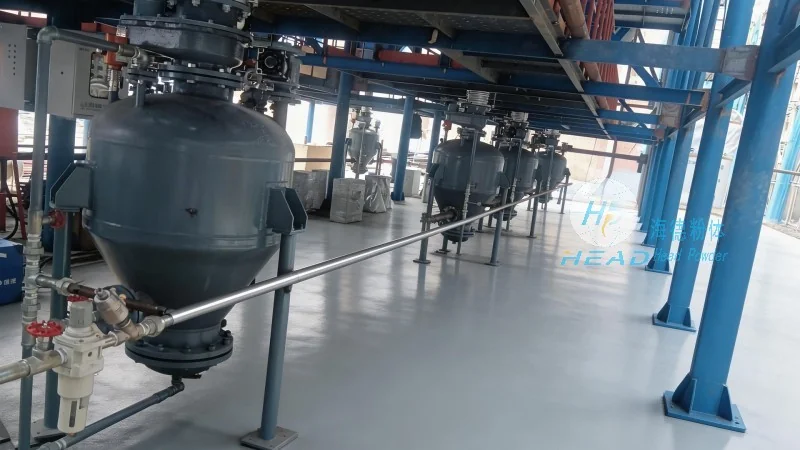
The operational scenarios for rapeseed pneumatic conveying vary based on application scale and specific needs. In small-scale farms or processing plants, systems are often designed for batch processing, handling smaller quantities. This scenario involves a compact setup with a hopper, short conveyor line, and receiver, suitable for daily small operation outputs. The system is typically manually or minimally automated, offering flexibility for different batches. In contrast, large-scale industrial facilities—such as oil mills or processing plants—require continuous, high-capacity pneumatic conveying systems. These scenarios involve long conveyor lines, multiple hoppers, and advanced control systems to handle large volumes efficiently. Systems may integrate with other equipment like cleaning or crushing machines, forming a seamless production line. Industrial working environments demand higher air velocities and complex material handling, often with stainless steel components to resist moisture or corrosion and minimize dust (a health and quality hazard). These scenarios also require space optimization and integration with other machinery. Operational parameters (air pressure, flow rate) are calibrated to match application needs, ensuring undamaged, loss-free transport. Reliability and maintenance are critical, as downtime causes production losses. System design prioritizes durability and ease of upkeep.
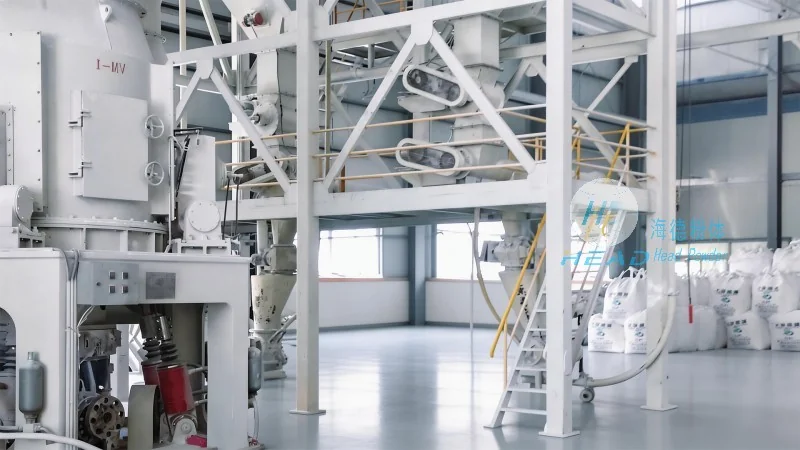
HeadPowder Engineering Co., Ltd., a leading pneumatic conveying solutions provider, specializes in designing and manufacturing systems tailored to agricultural and industrial needs. Focused on innovation and quality, HeadPowder has developed advanced pneumatic conveying systems for handling materials like rapeseed. The company’s expertise lies in understanding material handling challenges—such as rapeseed properties and processing facility requirements. By leveraging cutting-edge technology and engineering, HeadPowder ensures systems are efficient, reliable, and cost-effective. Facilities are in Shandong, China, with a strong industry presence. HeadPowder’s commitment to customer satisfaction and technical excellence has made it a trusted partner in agricultural and processing sectors. Engineers and technicians collaborate closely with clients to deliver customized solutions matching operational needs. For small farms or large industrial plants, HeadPowder offers a range of pneumatic conveying systems optimized for rapeseed handling. Products are known for durability, efficiency, and maintenance ease, a preferred choice in the market. HeadPowder’s dedication to quality and innovation maintains a competitive edge, providing reliable solutions for material handling needs.

 Shandong Headpowder Engineering Co., Ltd.
 156-6277-7102(Manager Zhang)
  0531-83386006
  Zhangqiu District, Jinan City, Shandong Province, China
telephone
WeChatconsult
top