With more than 10‑year industry experience, Shandong Headpowder delivers full‑service pneumatic‑conveying systems and blowers, undertaking nationwide turn‑key powder‑handling projects.
Clay sand material conveying lines are critical components in various industrial applications, particularly in foundries and construction material processing sectors. These systems are designed to efficiently transport clay sand, a key raw material used in sand molding and other manufacturing processes. The operation and working principles of such lines involve a combination of mechanical components, control systems, and material handling technologies that ensure reliable and continuous material transport. This article provides a detailed overview of the operation process and working principles of clay sand material conveying lines, highlighting the key elements and mechanisms that contribute to their effective performance.
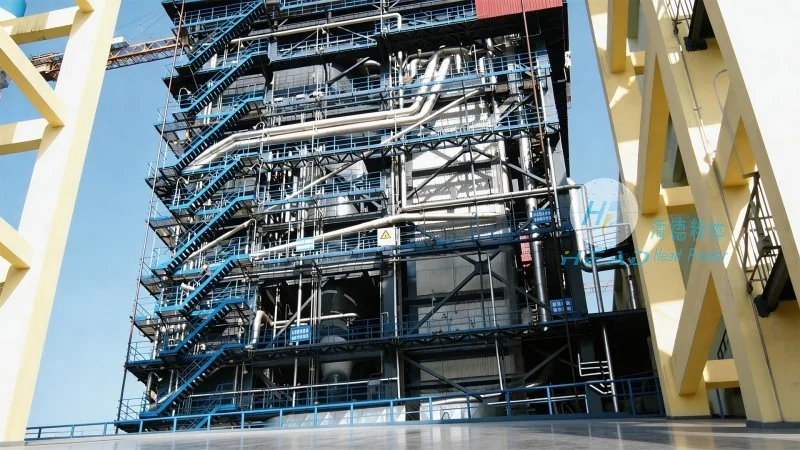
Clay sand material conveying lines are specialized systems engineered to transport clay sand, a mixture of clay and sand, from storage areas to processing equipment or production lines. These lines are commonly used in foundries for sand molding, where the quality and consistency of the clay sand are crucial for the quality of the final castings. The design of these conveying lines is tailored to handle the specific properties of clay sand, such as its moisture content, particle size distribution, and flow characteristics. By integrating advanced material handling technologies, these systems ensure that clay sand is transported efficiently, with minimal loss and degradation, maintaining the integrity of the material for downstream processes.
The operation of clay sand material conveying lines relies on several key components that work in concert to achieve reliable material transport. These components include feeders, conveyors, control systems, and auxiliary equipment. Feeders are responsible for regulating the flow of clay sand from storage bins or silos into the conveying system. Common types of feeders include screw feeders, belt feeders, and vibratory feeders, each designed to handle different material characteristics and flow rates. Conveyors, such as belt conveyors, screw conveyors, or pneumatic conveyors, are used to transport the clay sand over longer distances or to different locations within the facility. Control systems, often integrated with sensors and automation technology, monitor the flow rate, pressure, and other parameters to ensure optimal operation and prevent issues like blockages or overloading. Auxiliary equipment, such as hoppers, chutes, and cleaning systems, support the main conveying process by managing material storage, directing flow paths, and maintaining system cleanliness.
The working principle of clay sand material conveying lines is based on the mechanical transfer of material from the source to the destination. The process typically begins with the clay sand being discharged from a storage bin or silo into a feeder. The feeder then regulates the flow of material, ensuring a consistent and controlled feed rate into the conveyor. The conveyor, powered by motors or other driving mechanisms, moves the clay sand along its path, using friction or other forces to maintain material movement. In belt conveyors, for example, the belt moves continuously, carrying the clay sand on its surface, while in screw conveyors, a rotating screw pushes the material forward through a cylindrical tube. Pneumatic conveyors use air pressure to transport the material in a pipeline, where the clay sand is suspended in a stream of air. The control system continuously monitors the system's performance, adjusting parameters as needed to maintain optimal operation and prevent issues such as clogging or uneven flow. This integrated approach ensures that the clay sand is transported efficiently and reliably, meeting the demands of industrial applications.
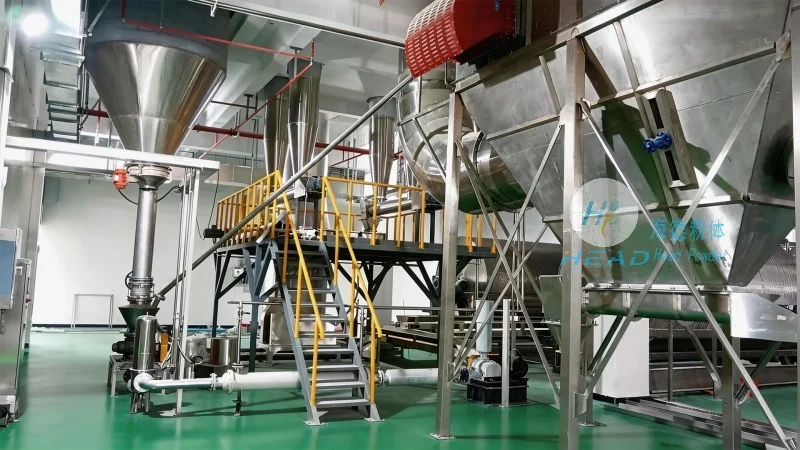
The operation process of clay sand material conveying lines involves several sequential steps that ensure the smooth and continuous transport of clay sand. The first step is the preparation phase, where the clay sand is stored in appropriate containers, such as silos or bins, and prepared for transport. This may involve moisture control, mixing, or screening to ensure the material meets the required specifications. The second step is the feeding phase, where the feeder regulates the flow of clay sand from the storage container into the conveyor system. The feeder ensures a consistent feed rate, preventing overloading or underfeeding that could affect the conveying efficiency. The third step is the conveying phase, where the conveyor transports the clay sand from the feeder to the destination point, such as a molding machine or a processing line. The conveyor system moves the material along its path, using the appropriate mechanism (e.g., belt, screw, or pneumatic) to maintain material movement. The fourth step is the control and monitoring phase, where the control system continuously monitors the system's performance, adjusting parameters as needed to maintain optimal operation. This may include adjusting the feed rate, conveyor speed, or air pressure in pneumatic systems. The fifth step is the discharge phase, where the clay sand is delivered to the processing equipment or storage area. The control system ensures that the material is discharged at the correct rate and location, preventing overfilling or underfilling. Throughout the operation process, the system is designed to handle variations in material properties, such as changes in moisture content or particle size, ensuring consistent performance and minimal downtime.
Clay sand material conveying lines offer several advantages that make them essential in industrial applications. One of the primary advantages is their ability to transport clay sand efficiently over long distances or to multiple destinations. This reduces the need for manual handling and minimizes the risk of material loss or contamination. The systems are also designed to handle varying material properties, such as different moisture contents or particle sizes, ensuring consistent performance and minimal degradation of the clay sand. Additionally, the integration of control systems and automation technology allows for precise monitoring and adjustment of the conveying process, improving overall efficiency and reducing operational costs. The reliability of these systems is another key advantage, as they are engineered to operate continuously with minimal maintenance, ensuring high availability and productivity. Finally, the modular design of many clay sand material conveying lines allows for easy expansion or modification to meet changing production requirements, providing flexibility and adaptability for industrial facilities.
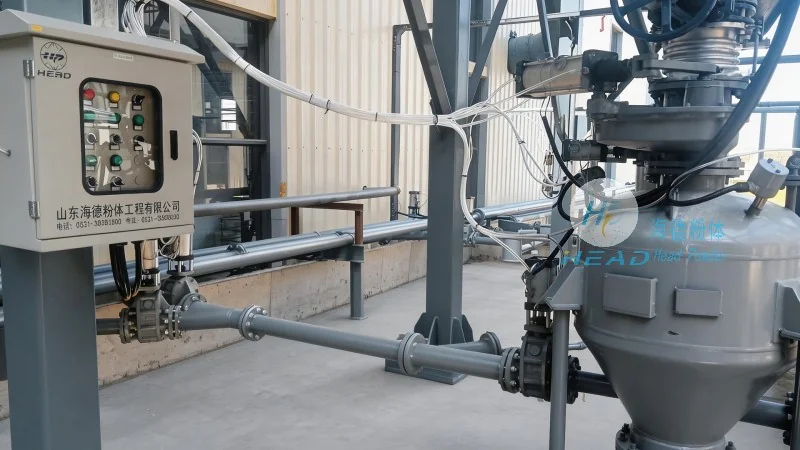
Clay sand material conveying lines are widely used in various industrial sectors, particularly in foundries and construction material processing. In foundries, these systems are used to transport clay sand from storage areas to molding machines, where it is used to create sand molds for casting metal parts. The quality and consistency of the clay sand are critical in this process, as they directly affect the quality of the final castings. In construction material processing, clay sand is used in the production of concrete, mortar, and other building materials. The conveying lines ensure that the clay sand is transported efficiently to mixing plants or production lines, maintaining the required quality and consistency. Other applications include the transport of clay sand in glass manufacturing, where it is used as a raw material in the production of glass products. The versatility of clay sand material conveying lines makes them suitable for a wide range of industrial applications, where reliable and efficient material transport is essential.
Maintenance and troubleshooting are essential aspects of ensuring the reliable operation of clay sand material conveying lines. Regular maintenance is required to keep the system in optimal condition and prevent issues that could affect performance. This includes cleaning the conveyor components, checking for wear and tear, and replacing worn parts as needed. The control system and sensors should also be regularly inspected to ensure they are functioning correctly and providing accurate data. Troubleshooting is necessary when issues arise, such as blockages, uneven flow, or system failures. Common issues in clay sand material conveying lines include clogging, which can occur due to moisture accumulation or material buildup, and belt slip or wear, which can affect the conveying efficiency. To address these issues, operators may need to adjust the feed rate, clear blockages, or replace worn components. Regular maintenance and prompt troubleshooting are crucial to minimize downtime and ensure the continuous operation of the conveying lines.
Clay sand material conveying lines are critical components in industrial applications, particularly in foundries and construction material processing. These systems are designed to efficiently transport clay sand, a key raw material, from storage areas to processing equipment or production lines. The operation and working principles of such lines involve a combination of mechanical components, control systems, and material handling technologies that ensure reliable and continuous material transport. By understanding the key components, working principles, and operation process of clay sand material conveying lines, industrial facilities can optimize their material handling processes, improve efficiency, and maintain the quality of their products. The integration of advanced technologies and regular maintenance ensures that these systems operate reliably and efficiently, meeting the demands of modern industrial applications.

 Shandong Headpowder Engineering Co., Ltd.
 156-6277-7102(Manager Zhang)
  0531-83386006
  Zhangqiu District, Jinan City, Shandong Province, China
telephone
WeChatconsult
top