

Working Principle and Features of Calcined Sand Pneumatic Conveying Equipment
For industrial applications involving the transport of calcined sand, the selection of an efficient and reliable conveying system is crucial. This article explores the working principle and key features of calcined sand pneumatic conveying equipment, highlighting how such systems enhance operational efficiency and process reliability in material handling operations.
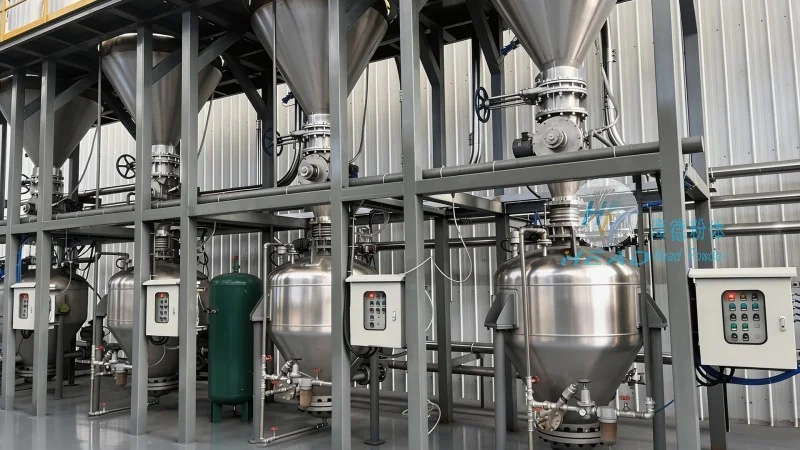
Introduction to Calcined Sand Pneumatic Conveying Equipment
Calcined sand, a crucial material in various industries including foundries, refractory production, and construction, requires specialized handling solutions to ensure safe and efficient transport. Pneumatic conveying systems offer a non-contact, low-maintenance method for moving calcined sand over short to medium distances. The equipment is designed to handle the specific physical and chemical properties of calcined sand, such as its density, particle size, and flow characteristics, while minimizing material degradation and operational risks.
Company Profile: Shandong HeadPowder Engineering Co., Ltd.
HeadPowder, a leading manufacturer in the field of material handling equipment, specializes in developing advanced pneumatic conveying solutions tailored to the needs of industrial clients. With a focus on innovation and quality, the company has established itself as a trusted partner for businesses seeking reliable equipment for calcined sand and other bulk materials. HeadPowder's products are engineered to meet stringent industry standards and are backed by comprehensive technical support and after-sales services.
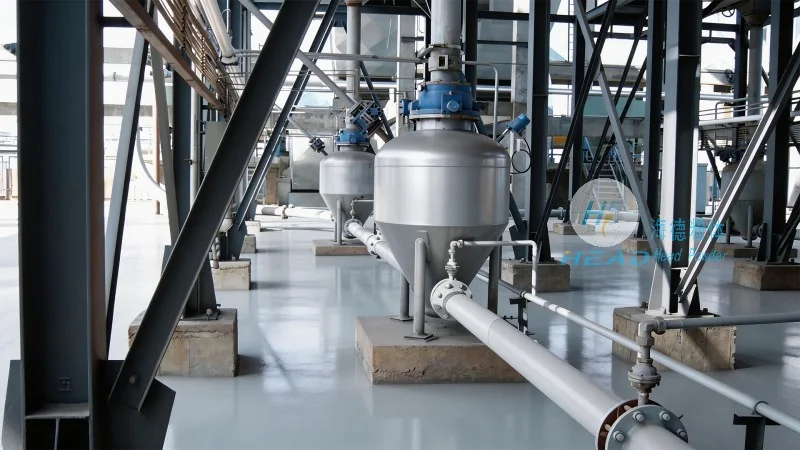
Working Principle of Calcined Sand Pneumatic Conveying Equipment
The core of calcined sand pneumatic conveying equipment lies in its ability to use air pressure to transport material through a pipeline system. The system typically consists of a hopper for material storage, a feeder to control the flow rate, a conveying line, and a receiver for the discharged material. The process begins with the material being fed into the hopper, where it is then introduced into the conveying line under controlled air pressure. As air is introduced, it creates a flow of material along the pipeline, ensuring consistent and efficient transport. The system may use either positive pressure (pressure conveying) or negative pressure (vacuum conveying), depending on the application requirements and the distance over which the material needs to be transported.
Key Features of Calcined Sand Pneumatic Conveying Equipment
Calcined sand pneumatic conveying equipment is characterized by several key features that enhance its performance and usability. These include:
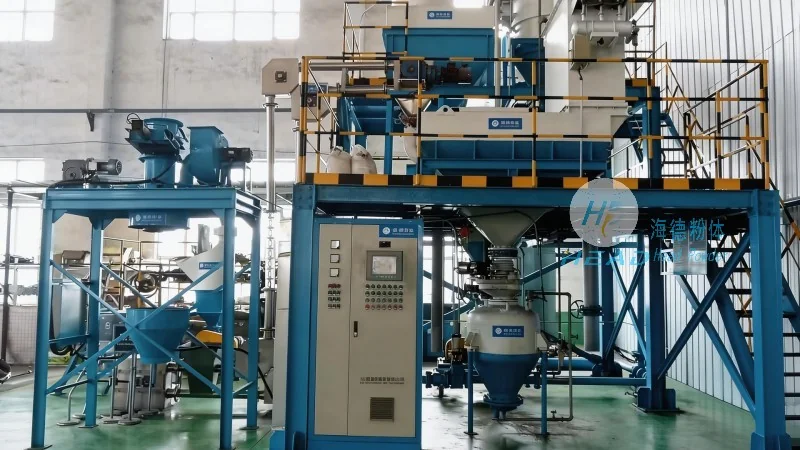
- Non-Contact Material Handling: The system transports calcined sand without physical contact, reducing the risk of material contamination and degradation, which is particularly important for high-purity applications.
- Low Maintenance Requirements: Compared to mechanical conveying systems, pneumatic conveying equipment requires less maintenance, as there are no moving parts in direct contact with the material, leading to lower operational costs and longer equipment lifespan.
- Flexibility in Layout: The equipment can be easily integrated into existing industrial layouts, allowing for flexible pipeline configurations to accommodate various production processes and spatial constraints.
- Efficient Material Transport: By utilizing air pressure, the system can transport calcined sand over relatively long distances with minimal energy consumption, making it an energy-efficient solution for bulk material handling.
- Controlled Flow Rate: Advanced control systems enable precise regulation of the material flow rate, ensuring consistent production processes and preventing overloading or underloading of downstream equipment.
Application-Specific Advantages
The features of calcined sand pneumatic conveying equipment make it particularly suitable for applications where material purity, efficiency, and reliability are paramount. For instance, in foundry operations, the equipment can transport calcined sand to molding machines without compromising the quality of the material, ensuring consistent casting results. In refractory production, the system helps maintain the integrity of the refractory material during transport, which is critical for high-temperature applications. Additionally, the low maintenance and energy-efficient nature of the equipment makes it cost-effective for continuous production lines.
Conclusion
Calcined sand pneumatic conveying equipment, as exemplified by products from Shandong HeadPowder Engineering Co., Ltd., represents a sophisticated solution for the efficient and reliable handling of calcined sand. By understanding its working principle and key features, industrial operators can make informed decisions about implementing such systems to enhance their material handling processes. The combination of non-contact transport, low maintenance, and flexible design makes this equipment a valuable asset for businesses seeking to optimize their production workflows and improve overall operational efficiency.