With more than 10‑year industry experience, Shandong Headpowder delivers full‑service pneumatic‑conveying systems and blowers, undertaking nationwide turn‑key powder‑handling projects.
HeadPowder, a leading manufacturer based in Shandong, China, specializes in the design and production of advanced silica aerodynamic conveying systems. These systems are engineered to efficiently transport silica powder through a pneumatic process, ensuring reliable material handling with minimal downtime. The equipment is tailored to meet the specific needs of industrial applications, offering robust performance and durability in various operational environments.
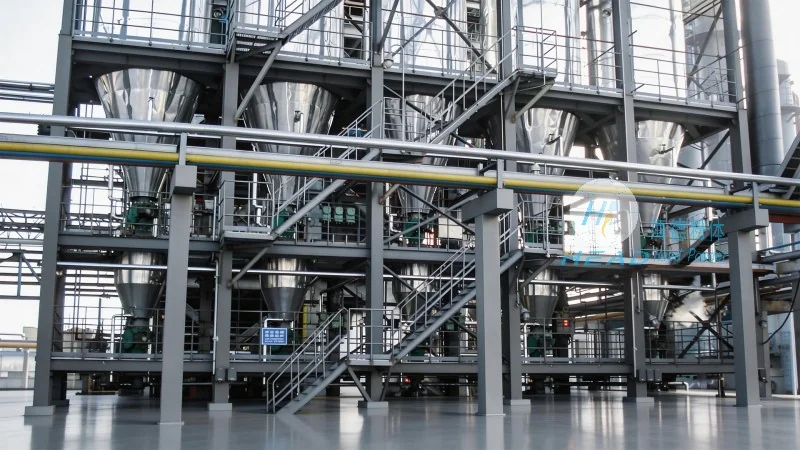
The silica aeropneumatic conveying system consists of several critical components that work in concert to facilitate the transport of silica. These include the material hopper, which stores the silica powder; the air compressor, responsible for generating the necessary air pressure; the conveying line, which serves as the pathway for the material and air mixture; and the dust collector, which captures any fine particles to maintain air quality and prevent contamination. Each component is designed with precision to ensure optimal functionality and longevity.
The operation of the silica aeropneumatic conveying system begins with the loading of silica powder into the material hopper. The hopper is equipped with a feeding mechanism that regulates the flow of material into the conveying line. Simultaneously, the air compressor starts, generating compressed air that is directed into the conveying line. As the compressed air flows through the line, it creates a low-pressure zone that draws the silica powder into the air stream. The mixture of silica and air then travels through the conveying line to the destination point, such as a storage silo or processing unit. At the receiving end, the silica is separated from the air through a separator, and the air is either recirculated or vented to the atmosphere. This process is automated and can be controlled via a user-friendly interface, allowing for precise adjustment of flow rates and pressure levels to match the specific requirements of the application.
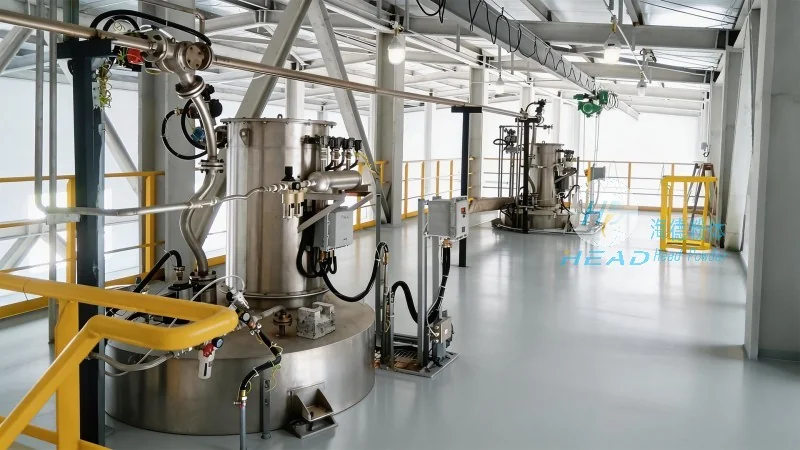
The core principle behind the silica aeropneumatic conveying system is the use of air as a medium to transport solid particles. This technology, also known as pneumatic conveying, relies on the creation of a pressure differential between the inlet and outlet of the conveying line. The air compressor provides the driving force by increasing the air pressure at the inlet, while the outlet is maintained at a lower pressure, typically atmospheric. As the high-pressure air flows through the line, it entrains the silica particles, forming a slurry-like mixture. The velocity of the air is crucial; it must be sufficient to overcome the gravitational force acting on the particles and maintain the material in suspension. The system’s efficiency depends on the balance between air velocity and particle size, ensuring that the silica remains suspended without settling or clogging the line. Advanced control systems monitor and adjust these parameters in real-time, optimizing the conveying process and minimizing energy consumption.
Implementing a silica aeropneumatic conveying system offers several advantages over traditional material handling methods. Firstly, it eliminates the need for mechanical conveyors, such as belt or screw conveyors, which can be prone to wear and tear and require frequent maintenance. The pneumatic system reduces the risk of material contamination, as it operates in a closed environment, preventing exposure to external pollutants. Additionally, the system is highly flexible, allowing for changes in the conveying route or destination without major modifications to the infrastructure. It also provides better control over the material flow, enabling precise dosing and batching. The energy efficiency of the system is another key benefit, as it minimizes power consumption compared to other methods, contributing to lower operational costs. Furthermore, the system is compact and can be installed in confined spaces, making it suitable for facilities with limited floor area.
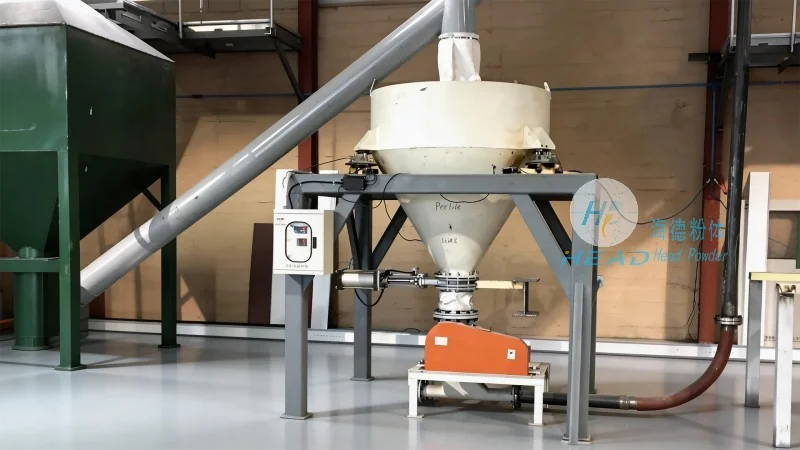
The silica aeropneumatic conveying equipment from HeadPowder is widely used in various industries that require the handling of silica powder. These include the construction industry, where silica is used in the production of concrete and mortar; the pharmaceutical industry, which utilizes silica as an excipient in drug formulations; and the chemical industry, where it serves as a filler or additive in various products. The system is also employed in the food and beverage sector, where it helps in the transport of silica-based ingredients in food processing plants. Each application benefits from the system’s ability to handle silica efficiently and safely, ensuring consistent quality and compliance with industry standards.
To ensure the longevity and optimal performance of the silica aeropneumatic conveying system, regular maintenance is essential. This includes checking the air compressor for proper operation, inspecting the conveying line for any signs of wear or blockages, and cleaning the dust collector to prevent clogging. The material hopper and feeding mechanism should also be inspected periodically to maintain consistent material flow. Operational considerations include monitoring the air pressure and flow rates, as fluctuations can affect the conveying efficiency. The system’s control panel allows operators to adjust these parameters as needed, ensuring that the process runs smoothly. Proper training of personnel on the system’s operation and maintenance is crucial to prevent accidents and ensure safety. By adhering to these guidelines, users can maximize the lifespan of the equipment and minimize downtime.

 Shandong Headpowder Engineering Co., Ltd.
 156-6277-7102(Manager Zhang)
  0531-83386006
  Zhangqiu District, Jinan City, Shandong Province, China
telephone
WeChatconsult
top