With more than 10‑year industry experience, Shandong Headpowder delivers full‑service pneumatic‑conveying systems and blowers, undertaking nationwide turn‑key powder‑handling projects.
For agricultural and animal feed production facilities, efficient and reliable material handling is crucial. The soybean feed pneumatic conveying system is a key piece of equipment designed to transport soybean-based feed ingredients with precision and minimal loss. This system, developed by Shandong HeadPowder Engineering Co., Ltd., integrates advanced engineering principles to ensure optimal performance in feed processing operations. By understanding the operation process and working principle of this system, users can better appreciate its role in enhancing productivity and maintaining product quality.
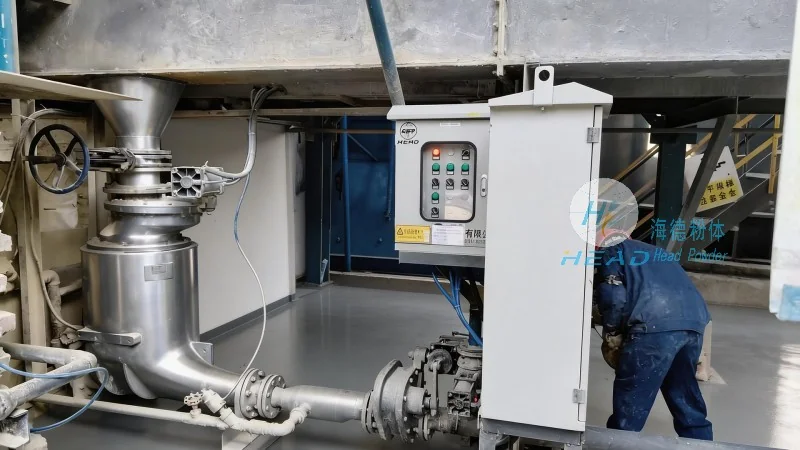
HeadPowder, a leading manufacturer based in Shandong, China, specializes in engineering solutions for the feed and agricultural industries. With a focus on innovation and customer satisfaction, the company provides high-quality equipment tailored to meet the specific needs of feed processing plants. The expertise and experience of HeadPowder's engineering team contribute to the design and development of efficient pneumatic conveying systems that enhance operational efficiency and reduce maintenance costs.
The operation of the soybean feed pneumatic conveying system involves several key steps that ensure smooth and continuous material transport. Initially, the system is prepared by loading the soybean feed into the hopper or storage silo. The feed is then drawn into the conveying line through an airlock or feeder, which controls the flow rate to maintain consistent pressure and flow. Compressed air, generated by a blower or fan, is introduced into the system, creating a pressure differential that propels the feed particles through the pipeline. As the feed moves through the conveying line, it passes through various components such as bends, filters, and silencers to ensure proper flow and minimize wear on the system. The system concludes with the discharge of the feed into the target storage or processing unit, completing the cycle. This process is typically automated, with controls that adjust air pressure and flow rates based on real-time conditions to optimize performance.
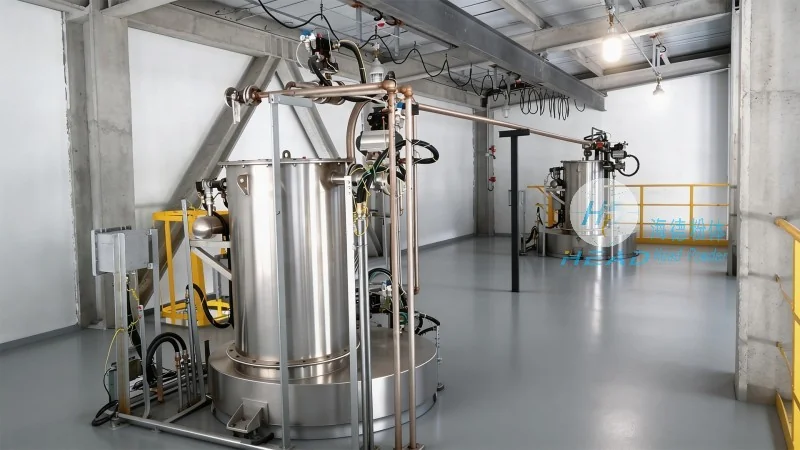
The core principle of the soybean feed pneumatic conveying system is the use of air to transport solid materials. This method, known as pneumatic conveying, relies on the creation of a pressure differential between the inlet and outlet of the conveying line. The system operates by introducing high-pressure air into the hopper, which lifts the feed particles and carries them through the pipeline. The air and feed mixture travels at a velocity sufficient to overcome gravitational forces and friction within the system. Key components, including the blower, airlock, and pipeline, work in tandem to maintain the necessary pressure and flow. The system's design ensures that the air-to-material ratio is optimized to prevent blockages and maintain consistent conveying rates. This principle allows for efficient transport of soybean feed over long distances without the need for mechanical components like belts or chains, reducing maintenance and operational costs.
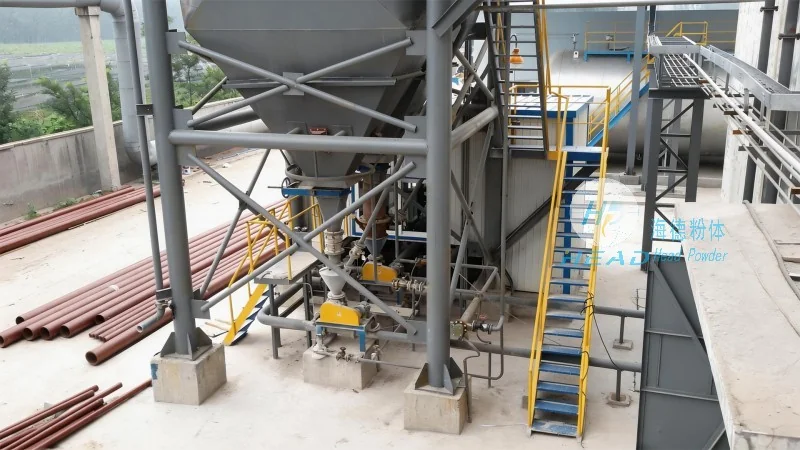
The soybean feed pneumatic conveying system offered by Shandong HeadPowder Engineering Co., Ltd. incorporates several features that enhance its performance and reliability. One of the primary advantages is the ability to handle a wide range of feed materials, including soybean meal and other powdered or granular ingredients. The system's design minimizes product degradation by reducing exposure to air and mechanical stress, which is critical for maintaining nutritional quality. Additionally, the automated control system allows for precise regulation of flow rates and air pressure, ensuring consistent product delivery to downstream processes. The use of durable materials and robust construction ensures long-term operation with minimal downtime, contributing to overall cost savings for feed processing facilities. The system also offers flexibility in terms of layout, allowing for integration into existing feed production lines without major modifications.
In the context of soybean feed production, the pneumatic conveying system plays a vital role in the material handling stage. From raw soybean processing to the final feed formulation, the system efficiently transports ingredients such as soybean meal, corn, and other additives. This ensures that all components are mixed uniformly, which is essential for producing high-quality animal feed. The system's ability to handle large volumes of material quickly and reliably supports the high throughput requirements of modern feed mills. By integrating the pneumatic conveying system into the production process, feed manufacturers can improve operational efficiency, reduce labor costs, and enhance product consistency. The system's compatibility with various feed ingredients and its adaptability to different production scales make it a versatile solution for feed processing facilities.

 Shandong Headpowder Engineering Co., Ltd.
 156-6277-7102(Manager Zhang)
  0531-83386006
  Zhangqiu District, Jinan City, Shandong Province, China
telephone
WeChatconsult
top