With more than 10‑year industry experience, Shandong Headpowder delivers full‑service pneumatic‑conveying systems and blowers, undertaking nationwide turn‑key powder‑handling projects.
Shandong HeadPowder Engineering Co., Ltd., a leading manufacturer based in China, specializes in providing advanced material handling solutions for various industrial applications. The company's expertise lies in developing efficient and reliable systems tailored to handle perlite, a lightweight, inert volcanic rock used extensively in construction, horticulture, and industrial processes. This article delves into the operation process and working principle of the perlite material handling system equipment, highlighting its key components, operational workflow, and technical advantages.
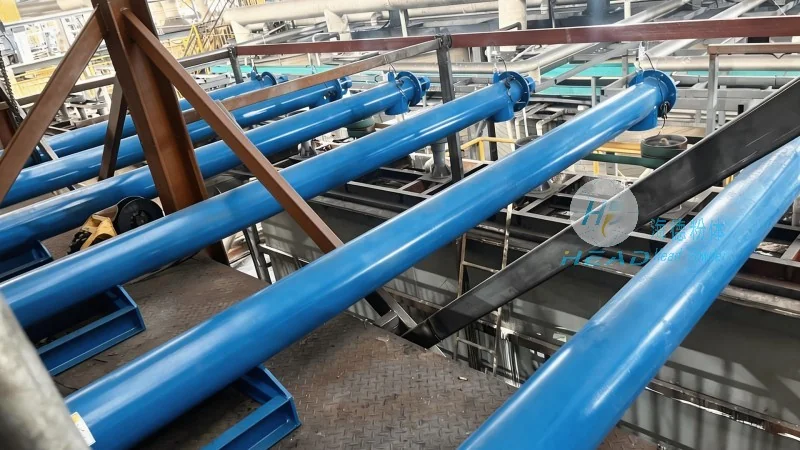
The perlite material handling system is a comprehensive setup designed to ensure seamless material transport and processing. At its core, the system comprises several critical components that work in tandem to achieve optimal performance. These include a hopper for material storage, a conveyor system for horizontal or vertical transport, a feeder mechanism to regulate material flow, and a control panel for automated operation. Each component is engineered to withstand the demands of handling perlite, which is known for its light weight and abrasive properties. The hopper, typically made of durable materials like stainless steel or reinforced plastic, provides a large storage capacity to accommodate bulk quantities of perlite. The conveyor system, often featuring belt or screw designs, ensures smooth movement of the material from the hopper to the processing or packaging stages. The feeder, equipped with adjustable speed and flow controls, maintains consistent material discharge, preventing overloading or underflow. The control panel, integrated with sensors and automation technology, allows operators to monitor and adjust the system parameters in real-time, enhancing operational efficiency and safety.

The operation of the perlite material handling system follows a systematic workflow that ensures efficient material handling from intake to discharge. The process begins with the loading of perlite into the hopper. Once the hopper is filled, the feeder activates, controlling the flow of perlite into the conveyor system. The conveyor then transports the material to the next stage, such as a processing unit or a packaging machine. During this transport, the system may incorporate features like vibration or agitation to prevent material bridging or caking, which are common issues with perlite due to its light and porous nature. The control panel continuously monitors the system's performance, adjusting the feeder speed and conveyor speed as needed to maintain a steady flow rate. This dynamic adjustment ensures that the system operates at peak efficiency, minimizing downtime and maximizing throughput. The entire operation is designed to be user-friendly, with clear indicators and controls that allow operators to easily manage the system's functions. Safety features, such as emergency stop buttons and overload protection, are integrated into the design to ensure safe operation in industrial environments.
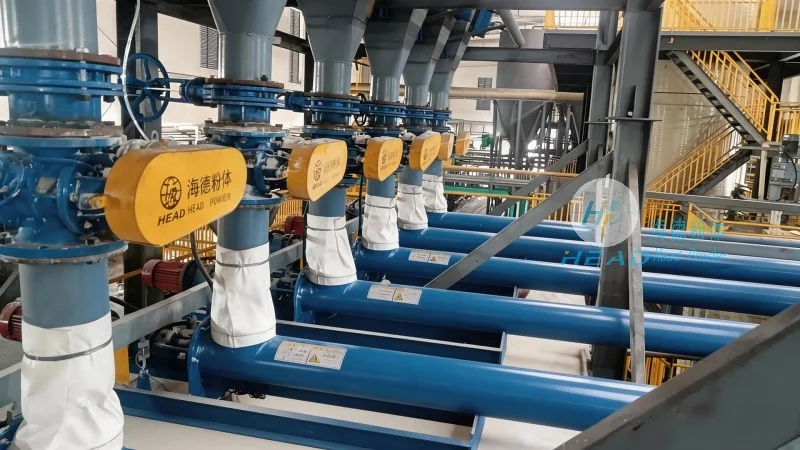
The working principle of the perlite material handling system is based on mechanical and pneumatic principles that facilitate the movement and processing of perlite. The system utilizes gravity and mechanical force to move the material through the conveyor and feeder components. The hopper's design allows perlite to fall into the feeder, which then transports it to the conveyor. The conveyor system, typically a belt conveyor, uses friction to move the material along its path. The speed of the conveyor is controlled by the motor, which is regulated by the control panel. The feeder mechanism, often a screw or vibratory feeder, uses rotational or vibrational motion to push the perlite forward. This mechanical action ensures that the material is moved consistently and without blockages. Pneumatic components may also be integrated into the system to assist with material flow, such as air jets to break up clumps or maintain air circulation within the hopper. The control panel, equipped with sensors like level detectors and flow meters, provides real-time data on the system's performance. This data is used to optimize the operation, ensuring that the system runs smoothly and efficiently. The working principle is designed to be robust and reliable, capable of handling the unique characteristics of perlite, including its low density and tendency to form dust or fine particles. By combining mechanical and pneumatic elements, the system achieves a balance between efficiency and safety, making it suitable for various industrial applications.
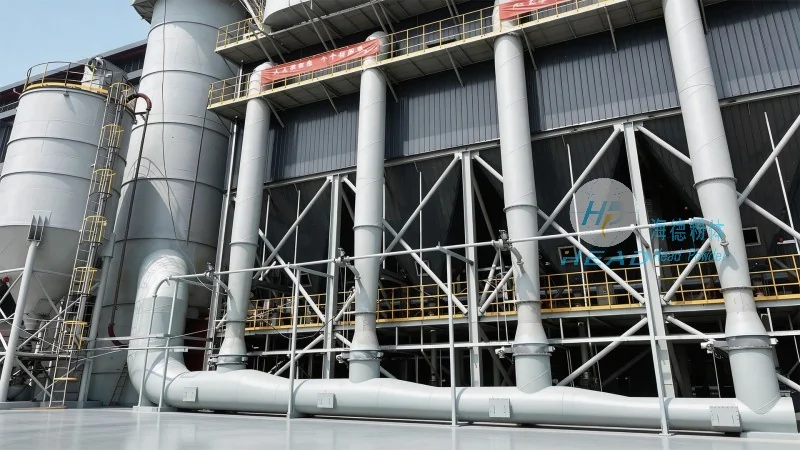
The perlite material handling system offers several technical advantages that make it an ideal solution for industrial material handling. One of the key advantages is its high efficiency, which is achieved through the integrated control system and optimized component design. The system can handle large volumes of perlite with minimal downtime, reducing operational costs and increasing productivity. Another advantage is its durability, as the components are constructed from materials that can withstand the abrasive nature of perlite. This ensures a long service life and low maintenance requirements. The system is also flexible, allowing for customization to meet specific application needs, such as different conveyor lengths, hopper sizes, or feeder types. These features make the system suitable for a wide range of applications, including perlite processing plants, horticulture facilities, and industrial manufacturing operations. In construction, the system is used to transport perlite for insulation and lightweight concrete production. In horticulture, it is used to handle perlite for soil amendment and plant growth media. The system's ability to handle bulk materials efficiently and safely makes it a valuable asset for any industrial operation dealing with perlite.

 Shandong Headpowder Engineering Co., Ltd.
 156-6277-7102(Manager Zhang)
  0531-83386006
  Zhangqiu District, Jinan City, Shandong Province, China
telephone
WeChatconsult
top