With more than 10‑year industry experience, Shandong Headpowder delivers full‑service pneumatic‑conveying systems and blowers, undertaking nationwide turn‑key powder‑handling projects.
Stearic acid sodium, a widely used chemical additive in various industrial applications, requires efficient and reliable material handling solutions to ensure smooth production workflows. This article provides an in-depth look at the operation process and working principle of the specialized equipment designed for transporting and processing stearic acid sodium, highlighting the key components and operational mechanisms that contribute to its effectiveness.
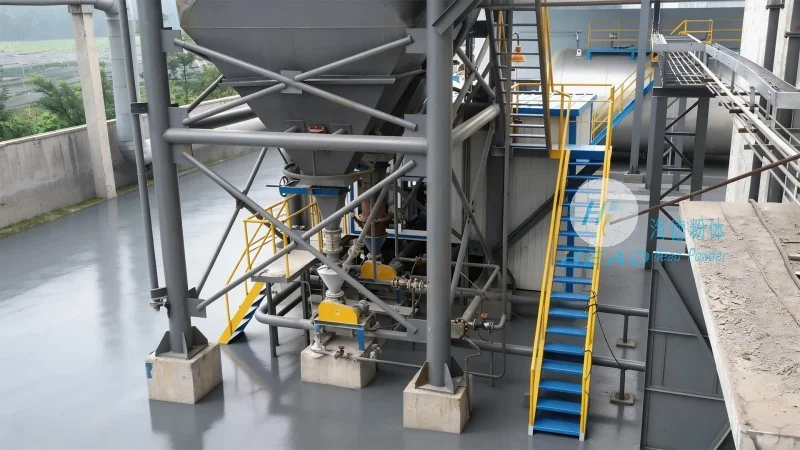
Stearic acid sodium, also known as sodium stearate, is a key ingredient in the production of soaps, detergents, and other personal care products. Its handling demands precision due to its granular or powder form, which necessitates specialized equipment to prevent clogging, maintain uniform flow, and ensure consistent quality. The material handling systems for stearic acid sodium are engineered to address these challenges, integrating advanced technologies to optimize the entire process from storage to discharge.
The stearic acid sodium material handling system typically consists of several critical components that work in tandem to facilitate efficient transport. These include bulk storage silos or hoppers, conveyor systems (such as belt or screw conveyors), pneumatic conveying equipment, and control panels for automated operation. Each component is designed to handle the specific physical properties of stearic acid sodium, such as its density, flowability, and potential for static charge accumulation. The storage silos are often equipped with agitators or vibrators to prevent material bridging and ensure uniform discharge. Conveyor systems are chosen based on the material's bulk density and the required throughput, with belt conveyors being common for larger volumes and screw conveyors for more precise dosing applications. Pneumatic conveying systems may be employed for high-purity applications or when long-distance transport is required, utilizing air pressure to move the material through pipelines.
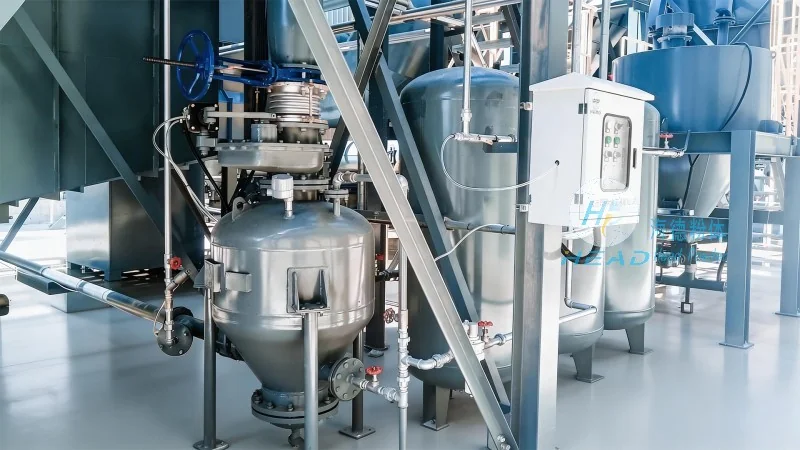
The operation process of the stearic acid sodium material handling system begins with the storage of raw material in the silos. The material is loaded into the silos through a top-loading system, which may include a hopper with a level indicator to monitor the inventory. Once the material is stored, the system initiates the discharge process. The control panel sends signals to the conveyor or pneumatic system, which then starts the transport of the stearic acid sodium to the processing unit. The flow rate is controlled by adjustable valves or variable frequency drives (VFDs) to match the production requirements. For example, during high-demand periods, the system can increase the conveyor speed to boost throughput, while during low-demand periods, it can reduce the speed to conserve energy. The material is then delivered to the processing equipment, such as mixers or reactors, where it is incorporated into the final product. The entire process is monitored by sensors that track parameters like temperature, pressure, and flow rate, ensuring that the material is handled under optimal conditions.
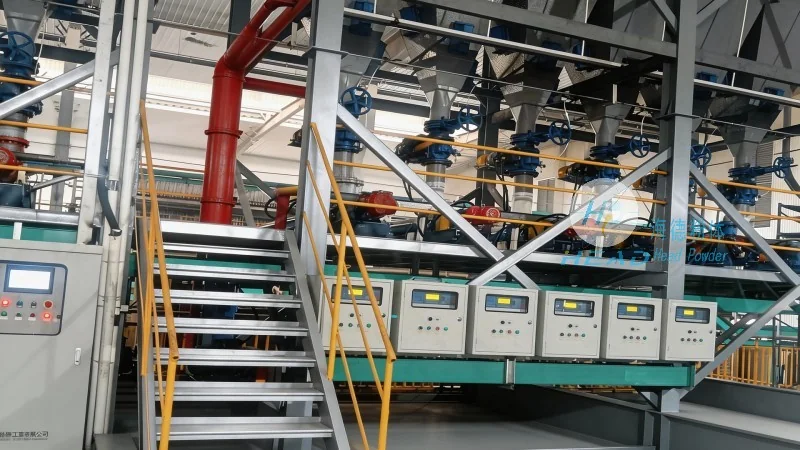
The working principle of the stearic acid sodium material handling system combines mechanical and pneumatic technologies to achieve efficient material transport. The mechanical components, such as belt and screw conveyors, rely on gravity and mechanical force to move the material. Belt conveyors use a continuous belt that moves over rollers, with the material placed on the belt and carried to the discharge point. Screw conveyors, on the other hand, use a rotating screw to push the material forward, which is ideal for handling materials with low flowability or high moisture content. The pneumatic conveying system operates by creating a pressure differential between the inlet and outlet of the pipeline. Air is blown into the pipeline, and the stearic acid sodium is drawn into the air stream, moving through the pipeline to the destination. This method is particularly effective for transporting fine powders or granules over long distances, as it minimizes material degradation and contamination.
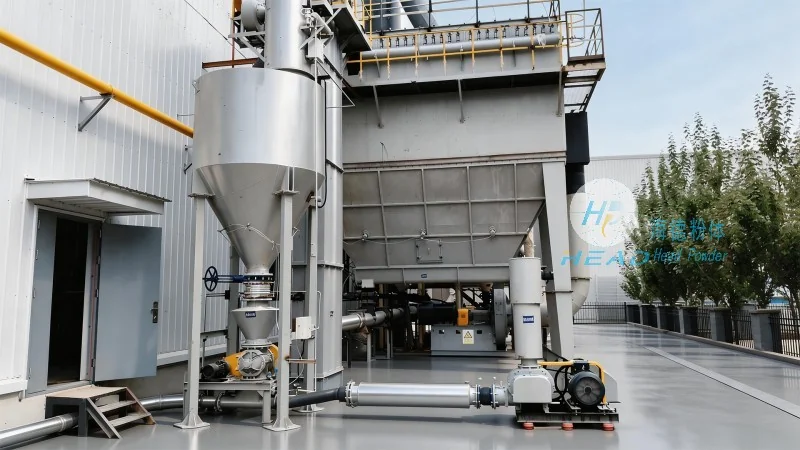
The stearic acid sodium material handling system offers several advantages that enhance production efficiency and product quality. Firstly, it ensures consistent material flow, which is crucial for maintaining uniform product quality. The automated control system eliminates human error, reducing the risk of over or under-dosing, which can affect the final product's performance. Secondly, the system minimizes material loss and contamination, as the enclosed design prevents dust and moisture from entering or exiting the system. This is particularly important for stearic acid sodium, which is sensitive to moisture and can degrade if exposed to air for extended periods. Thirdly, the system improves safety by reducing the need for manual handling of the material, which can be hazardous due to its granular nature and potential for static electricity. The enclosed design also prevents dust explosions, which are a significant risk in powder handling applications. Finally, the system is energy-efficient, with adjustable speed controls that optimize power consumption based on production demand.
In conclusion, the stearic acid sodium material handling system is a critical component in the production of stearic acid sodium-based products. Its operation process and working principle are designed to ensure efficient, safe, and consistent material transport, which directly impacts the quality and reliability of the final product. By integrating advanced mechanical and pneumatic technologies, the system addresses the unique challenges of handling stearic acid sodium, making it an essential investment for manufacturers seeking to optimize their production processes. As the demand for stearic acid sodium continues to grow, the importance of reliable material handling systems will only increase, making this technology a key factor in the success of industrial operations.

 Shandong Headpowder Engineering Co., Ltd.
 156-6277-7102(Manager Zhang)
  0531-83386006
  Zhangqiu District, Jinan City, Shandong Province, China
telephone
WeChatconsult
top