With more than 10‑year industry experience, Shandong Headpowder delivers full‑service pneumatic‑conveying systems and blowers, undertaking nationwide turn‑key powder‑handling projects.
Shandong HeadPowder Engineering Co., Ltd., commonly known as headpowder, specializes in the design, manufacturing, and installation of advanced pneumatic conveying systems tailored for handling materials like silica fume. These systems are critical in various industrial applications, ensuring efficient and safe material transport from source to destination. The following content outlines the operational process and working principles of such equipment, providing a comprehensive understanding for potential users and industry professionals.
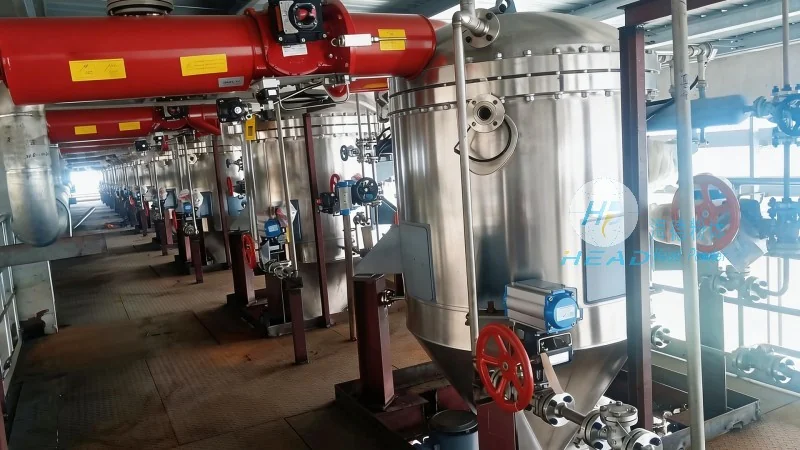
The silica fume pneumatic conveying system typically comprises several key components that work in concert to achieve effective material transport. These include the material hopper, which stores the silica fume; a rotary valve or feeder to control the material flow; a pipeline network that transports the material; a blower or air compressor that generates the necessary air pressure; and a receiver or discharge unit where the material is deposited. Each component plays a vital role in maintaining the system's efficiency and reliability.
The operation of a silica fume pneumatic conveying system begins with the material being fed from the hopper into the feeder. The feeder regulates the flow rate, ensuring a consistent supply of silica fume to the system. Simultaneously, the blower or air compressor starts, generating a high-pressure air stream. This air stream is then introduced into the pipeline, creating a flow that carries the silica fume particles through the system. As the material travels through the pipeline, it is suspended by the air flow and transported to the discharge point. The receiver unit then captures the material, allowing it to be collected and utilized in subsequent processes. Throughout this process, the system maintains a stable pressure and flow rate, minimizing material degradation and ensuring optimal performance.
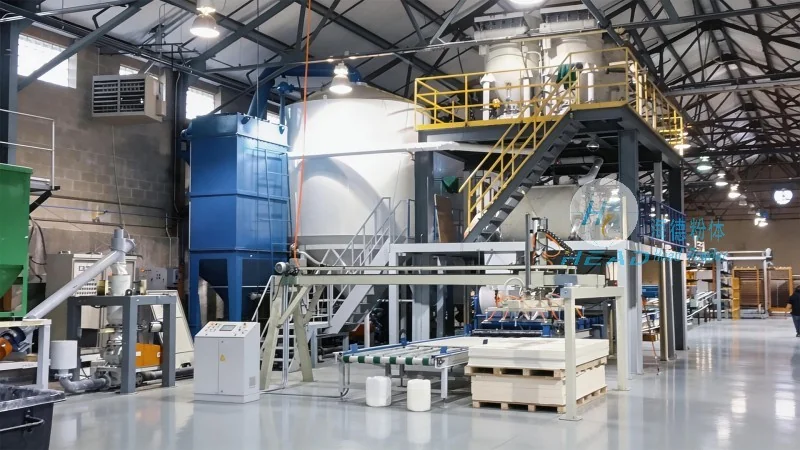
The core working principle of the silica fume pneumatic conveying system is based on the use of air as the conveying medium. This mechanism involves the creation of a high-velocity air stream within the pipeline, which entrains the silica fume particles and transports them to the destination. The air flow is generated by a blower or air compressor, which provides the necessary pressure to overcome the resistance of the pipeline and the material particles. The system operates under either positive pressure or negative pressure, depending on the specific design and application requirements. Positive pressure systems use the blower to push the material through the pipeline, while negative pressure systems use a vacuum to draw the material from the source. The choice of pressure type depends on factors such as the distance of transport, the material characteristics, and the system layout.
Silica fume pneumatic conveying systems offer several advantages over traditional material handling methods, such as belt conveyors or bucket elevators. These systems are highly efficient in terms of space utilization, as they can transport materials vertically and horizontally without the need for complex infrastructure. They also provide a clean and dust-free environment, reducing the risk of material contamination and improving workplace safety. Additionally, the systems are capable of handling materials with varying particle sizes and moisture content, making them suitable for a wide range of industrial applications. Common applications include the transport of silica fume in concrete production, mineral processing, and chemical manufacturing, where precise and reliable material handling is essential.
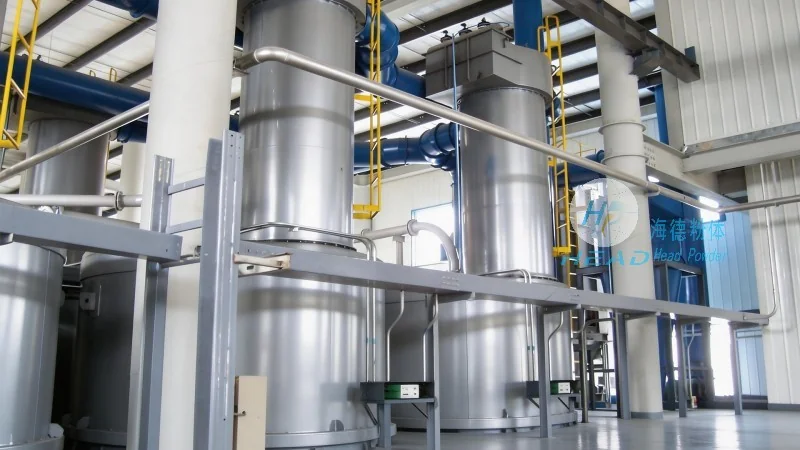
To ensure the long-term performance and reliability of silica fume pneumatic conveying systems, regular maintenance is crucial. This includes inspecting and cleaning the material hopper and feeder to prevent blockages; checking the blower or air compressor for proper operation and maintaining optimal air pressure; and inspecting the pipeline network for any signs of wear or damage. Additionally, the system should be operated within the recommended parameters, such as flow rate and pressure, to avoid overloading or damaging the components. Proper training of operators is also essential to ensure safe and efficient operation of the system. By following these maintenance and operational guidelines, users can maximize the lifespan of the equipment and minimize downtime.
In conclusion, the silica fume pneumatic conveying system is a sophisticated and efficient solution for handling silica fume in various industrial applications. The system's operational process and working principles, as outlined above, demonstrate its ability to provide reliable and safe material transport. With proper maintenance and operation, these systems can deliver consistent performance, contributing to improved productivity and reduced operational costs. Shandong HeadPowder Engineering Co., Ltd. continues to innovate and provide high-quality pneumatic conveying solutions to meet the evolving needs of the industry.

 Shandong Headpowder Engineering Co., Ltd.
 156-6277-7102(Manager Zhang)
  0531-83386006
  Zhangqiu District, Jinan City, Shandong Province, China
telephone
WeChatconsult
top