With more than 10‑year industry experience, Shandong Headpowder delivers full‑service pneumatic‑conveying systems and blowers, undertaking nationwide turn‑key powder‑handling projects.
HeadPowder, a leading provider of material handling solutions, specializes in the design and implementation of efficient polyethylene gas-pneumatic conveying systems. This technology is crucial for the safe and effective transportation of polyethylene materials in various industrial applications. The following overview details the fundamental principles and operational aspects of such systems, highlighting the expertise and services offered by Shandong HeadPowder Engineering Co., Ltd. based in Shandong, China.
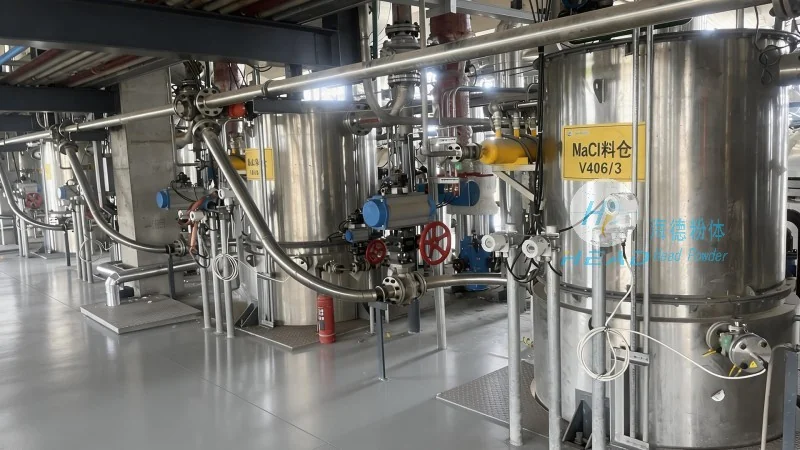
The core of a gas-pneumatic conveying system involves the use of compressed air or other gases to transport bulk materials like polyethylene through a pipeline network. The process typically begins with the material being fed into a hopper or feeder, where it is then drawn into the conveying line by the pressure differential created by the moving air. As the air flows through the pipeline, it carries the polyethylene particles, ensuring a continuous and controlled flow. Key components in this system include the air compressor, which supplies the necessary pressure; the conveying line, which forms the path for material transport; and the control valves and regulators that manage the air flow and pressure to maintain optimal conveying conditions. The efficiency of the system depends on the proper selection and configuration of these components, ensuring minimal material degradation and energy consumption.
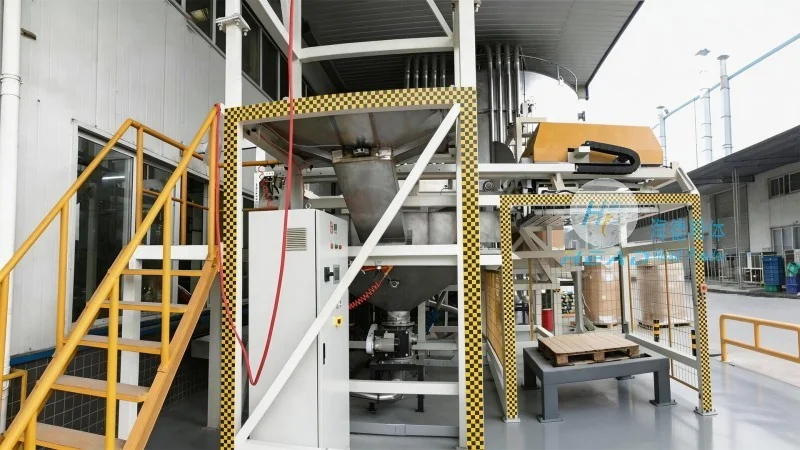
In a polyethylene gas-pneumatic conveying system, several critical components work in tandem to ensure reliable operation. The air compressor is responsible for generating the high-pressure air required to move the material. It must be capable of maintaining consistent pressure to prevent fluctuations that could affect the conveying rate. The conveying line, usually made of durable materials like stainless steel or specialized polymers, is designed to withstand the pressure and abrasion from the polyethylene particles. The hopper or feeder is where the polyethylene is stored and metered before entering the pipeline. This component ensures a steady flow of material into the system, preventing blockages or uneven feeding. Additionally, control valves and pressure regulators are essential for adjusting the air flow and pressure as needed, allowing operators to optimize the system for different material types or conveying distances. The combination of these components, carefully engineered and maintained, ensures the smooth and efficient transport of polyethylene in industrial settings.
Gas-pneumatic conveying systems offer several advantages when handling polyethylene materials. One of the primary benefits is the ability to transport materials in a closed system, which helps maintain cleanliness and prevents contamination from external factors. This is particularly important for polyethylene, which is often used in applications requiring high purity, such as food packaging or medical devices. Another advantage is the flexibility of the system, as it can be easily adapted to different production needs, including varying material volumes or processing requirements. The system also minimizes material degradation compared to other transport methods, as the polyethylene particles are not subjected to excessive friction or impact during transport. Furthermore, the use of compressed air allows for precise control over the conveying speed and direction, enabling efficient integration with other production processes. These advantages make gas-pneumatic conveying an ideal solution for industries that require reliable, clean, and efficient transport of polyethylene materials.
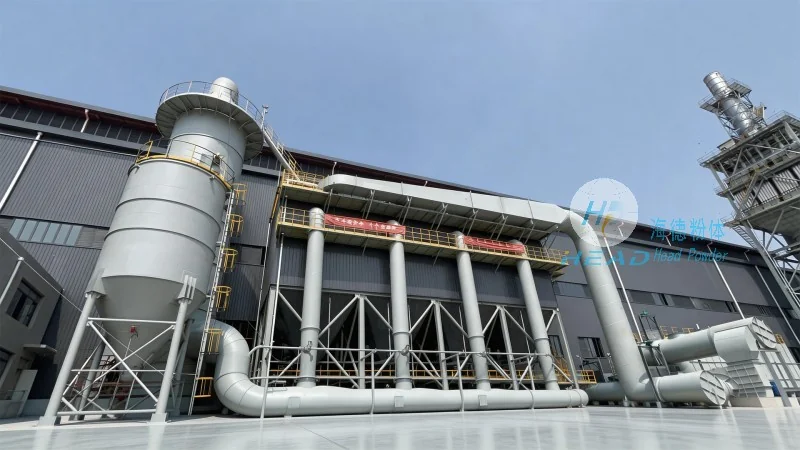
Shandong HeadPowder Engineering Co., Ltd. specializes in providing comprehensive solutions for polyethylene gas-pneumatic conveying systems. By leveraging advanced technology and expert engineering, the company ensures that its systems meet the specific needs of industrial clients. The principles of operation, key components, and advantages discussed above highlight the efficiency and reliability of these systems, making them a preferred choice for transporting polyethylene materials. With a strong presence in Shandong, China, HeadPowder continues to deliver high-quality material handling solutions that enhance productivity and safety in various industrial applications.

 Shandong Headpowder Engineering Co., Ltd.
 156-6277-7102(Manager Zhang)
  0531-83386006
  Zhangqiu District, Jinan City, Shandong Province, China
telephone
WeChatconsult
top