With more than 10‑year industry experience, Shandong Headpowder delivers full‑service pneumatic‑conveying systems and blowers, undertaking nationwide turn‑key powder‑handling projects.
Efficient and reliable material handling is a critical aspect of modern industrial operations, particularly in the processing and transportation of bulk materials like potassium chloride. The pneumatic conveying system equipment, specifically designed for potassium chloride, plays a pivotal role in ensuring smooth and safe material transfer. This article delves into the operation process and working principle of such systems, highlighting the technological advancements and operational efficiency they offer.
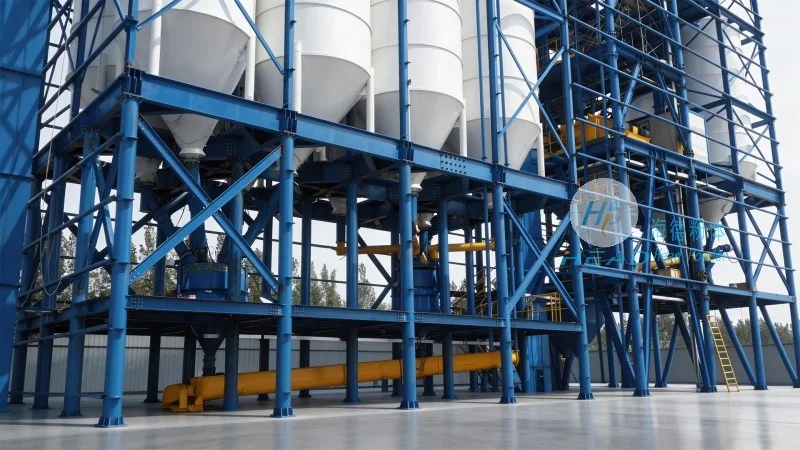
HeadPowder, a leading manufacturer based in Shandong, China, specializes in the design, development, and supply of advanced pneumatic conveying systems tailored for various industrial applications. The company's expertise lies in creating customized solutions that meet the specific requirements of clients in the chemical, mining, and food processing sectors. The potassium chloride pneumatic conveying system is a prime example of their innovative approach to material handling, combining efficiency with durability to address the unique challenges associated with handling this essential industrial chemical.
The potassium chloride pneumatic conveying system comprises several key components that work in harmony to facilitate the material transfer process. These components include the hopper, feeder, air compressor, pipeline network, and receiver. Each component is meticulously engineered to ensure optimal performance and minimal downtime. The hopper serves as the storage vessel, holding the potassium chloride until it is ready to be conveyed. The feeder, typically a rotary valve or a screw feeder, regulates the flow of material from the hopper into the pipeline. The air compressor generates the necessary pressure and airflow to move the material through the system. The pipeline network, made of robust materials like stainless steel or PVC, transports the material from the feeder to the receiver. The receiver collects the conveyed material and allows it to settle before being discharged.
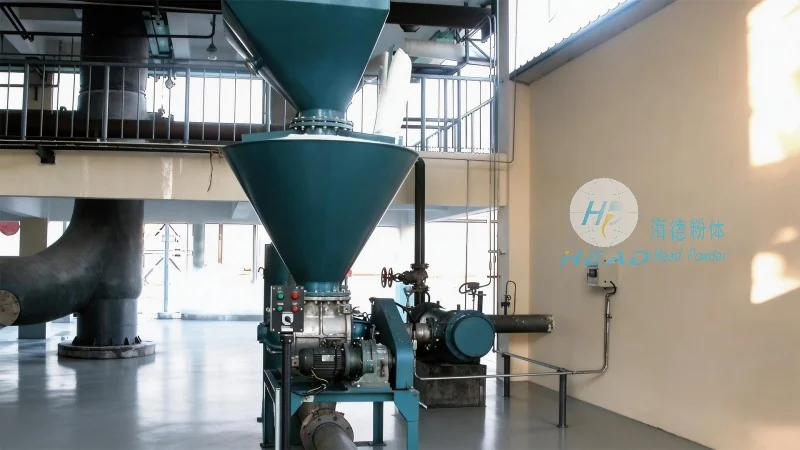
The operation of the potassium chloride pneumatic conveying system follows a systematic process that ensures consistent and efficient material transfer. The process begins with the loading of potassium chloride into the hopper. Once the hopper is filled, the feeder starts to discharge the material at a controlled rate. Simultaneously, the air compressor activates, generating a high-pressure airflow that is introduced into the pipeline. The airflow creates a negative pressure in the pipeline, which draws the potassium chloride particles into the air stream. As the material is entrained by the air, it travels through the pipeline to the receiver. The receiver, equipped with a dust collection system, captures any fine particles and returns them to the hopper, ensuring minimal loss and maintaining product quality. The entire process is monitored by advanced control systems that adjust the airflow and material feed rate based on real-time conditions, optimizing the system's performance.
The working principle of the potassium chloride pneumatic conveying system is based on the fundamental concept of pneumatic transport, where solid particles are suspended and transported by an air stream. The system operates under either positive or negative pressure, depending on the specific application and material characteristics. In positive pressure systems, the air compressor forces air into the pipeline, pushing the material forward. In negative pressure systems, the air is drawn out of the system, creating a vacuum that pulls the material through the pipeline. For potassium chloride, a negative pressure system is often preferred as it minimizes the risk of dust dispersion and ensures a cleaner working environment. The system's efficiency is determined by factors such as the air velocity, particle size, and material density. Proper design of the pipeline diameter and length is crucial to maintain the air velocity at an optimal level, preventing material settling or blockages. The use of cyclone separators and filters in the receiver helps to separate the material from the air, ensuring that the conveyed material remains clean and free from contaminants.
The potassium chloride pneumatic conveying system offers several advantages over traditional material handling methods, such as belt conveyors or bucket elevators. One of the primary benefits is the ability to transport materials over long distances without the need for multiple transfer points. This reduces the risk of material degradation and contamination, as the material remains in a closed system throughout the process. The system also provides a high degree of flexibility, allowing for easy integration with existing production lines and modifications to accommodate changing production requirements. Additionally, the system is highly efficient in terms of energy consumption, as the air compressor can be optimized to operate at the lowest possible pressure and airflow, minimizing operational costs. The system's ability to handle a wide range of particle sizes and moisture content makes it suitable for various applications, from bulk storage to packaging. The low maintenance requirements and long service life of the components further enhance the system's overall cost-effectiveness.
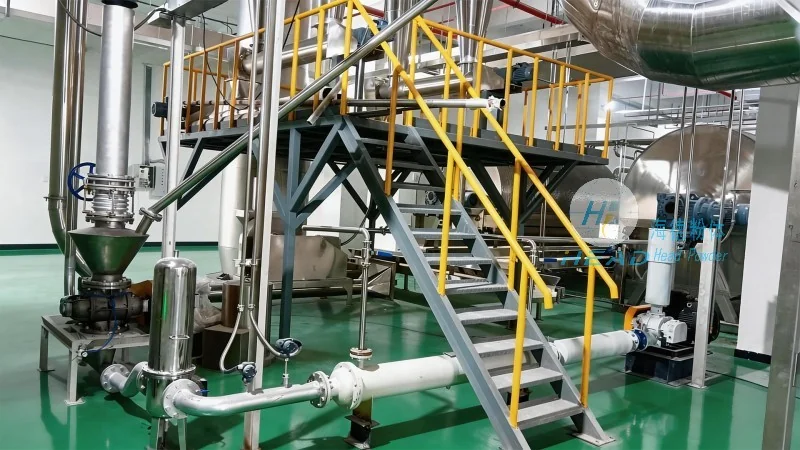
The potassium chloride pneumatic conveying system is widely used in various industries that require the handling and transportation of bulk materials. In the chemical industry, it is used for the transfer of raw materials and finished products, such as potassium chloride used in fertilizer production. The mining industry utilizes the system for the transport of ore and minerals from processing plants to storage facilities. The food processing industry also benefits from the system, as it is used to handle potassium chloride used as a food additive or in the production of salt substitutes. The pharmaceutical industry, where purity and cleanliness are paramount, relies on the system to ensure that the material is handled in a sterile and controlled environment. The system's versatility and adaptability make it suitable for a wide range of applications, catering to the diverse needs of different industries.
In conclusion, the potassium chloride pneumatic conveying system is a sophisticated and efficient solution for the handling and transportation of bulk materials. The system's operation process and working principle are designed to ensure optimal performance, reliability, and safety. HeadPowder, with its headquarters in Shandong, China, has established itself as a leading provider of such systems, offering customized solutions that meet the specific requirements of clients worldwide. The company's commitment to quality, innovation, and customer satisfaction has made it a trusted partner in the industry. As industrial operations continue to evolve, the demand for advanced material handling systems will only increase, and the potassium chloride pneumatic conveying system will remain a vital component in ensuring the smooth and efficient operation of industrial processes.

 Shandong Headpowder Engineering Co., Ltd.
 156-6277-7102(Manager Zhang)
  0531-83386006
  Zhangqiu District, Jinan City, Shandong Province, China
telephone
WeChatconsult
top