With more than 10‑year industry experience, Shandong Headpowder delivers full‑service pneumatic‑conveying systems and blowers, undertaking nationwide turn‑key powder‑handling projects.
HeadPowder, a leading enterprise in the field of material handling solutions, specializes in the design, manufacturing, and installation of advanced pneumatic conveying systems. With a strong presence in Shandong, China, the company has established itself as a trusted provider of efficient and reliable equipment for handling materials like tungsten carbide. This article provides an overview of tungsten carbide pneumatic conveying, detailing the fundamental principles behind pneumatic conveying systems and how they are applied in industrial settings.
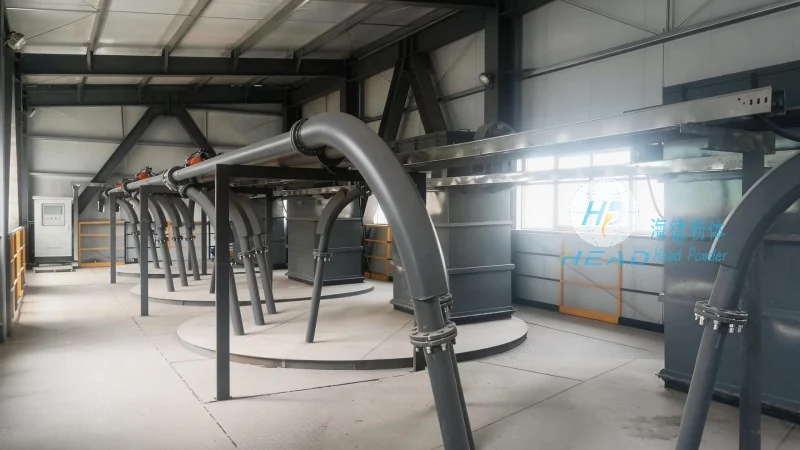
HeadPowder Engineering Co., Ltd. is headquartered in Shandong, China, and has built a reputation for delivering high-quality material handling solutions tailored to the specific needs of various industries. The company's team of experienced engineers and technicians leverages cutting-edge technology and rigorous quality control measures to ensure that each pneumatic conveying system meets the highest standards of performance and durability. By focusing on innovation and customer satisfaction, HeadPowder has become a key player in the global market for material transport equipment.
Pneumatic conveying, also known as pneumatic transport, is a method of transporting bulk materials through a pipeline using air or other gas as the conveying medium. This technology is widely used in industries such as mining, manufacturing, and chemical processing, where the efficient movement of materials is critical to operational efficiency. The system typically consists of several key components, including a material feed hopper, a conveying line, a control system, and a discharge unit. The process begins with the material being introduced into the hopper, where it is then fed into the conveying line under pressure. The air or gas flows through the line, creating a flow that propels the material forward, allowing it to be transported over long distances without the need for mechanical components like belts or rollers.
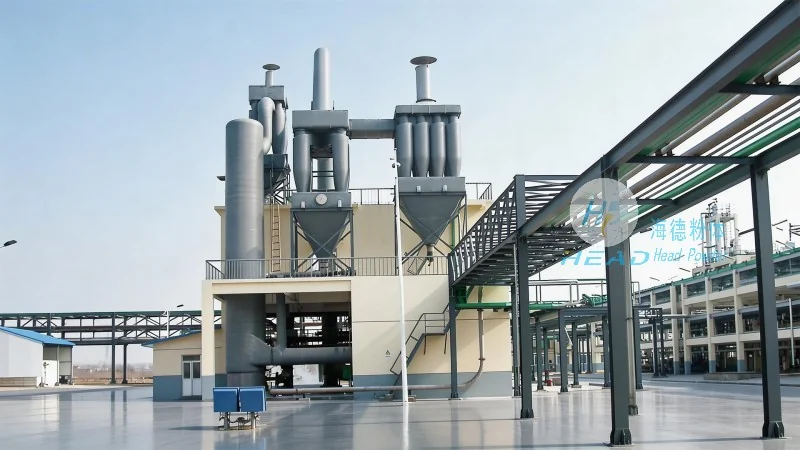
Tungsten carbide, a hard and durable material, is often used in industrial applications where high wear resistance and strength are required. In pneumatic conveying systems, tungsten carbide components are employed to enhance the longevity and performance of the equipment. For instance, the feed hoppers and discharge units may be lined with tungsten carbide to withstand the abrasive nature of the material being conveyed. Additionally, the conveying lines and associated valves may incorporate tungsten carbide parts to ensure smooth operation and minimize wear over time. This integration of tungsten carbide into the system design helps to reduce maintenance costs and increase the overall efficiency of the material handling process.
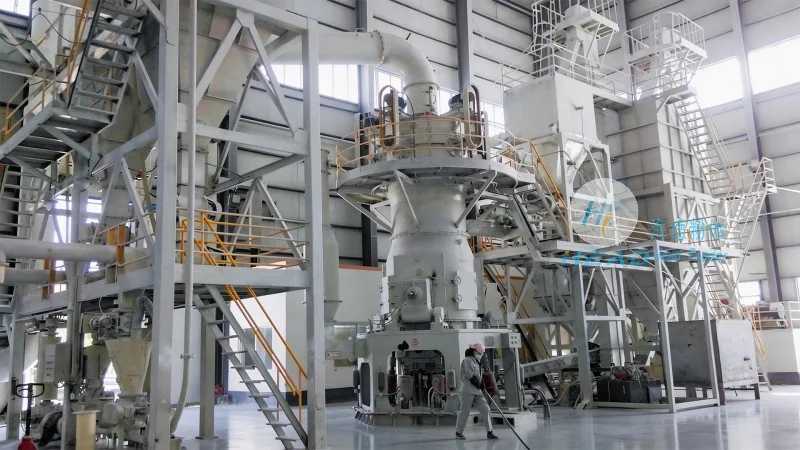
The core of a pneumatic conveying system lies in the interaction between the material and the conveying medium. The system operates by creating a pressure differential within the pipeline. Air is introduced into the conveying line at a controlled rate, generating a flow that moves the material particles along the path. The velocity of the air is crucial; it must be sufficient to lift and transport the material without causing excessive wear or degradation. The system can be categorized into two main types: dilute phase and dense phase. Dilute phase systems operate at higher velocities, typically moving material in a suspended state, while dense phase systems use lower velocities and higher pressure to move material in a more compacted form. Both types are suitable for tungsten carbide, depending on the specific requirements of the application, such as the distance to be covered and the material's characteristics.
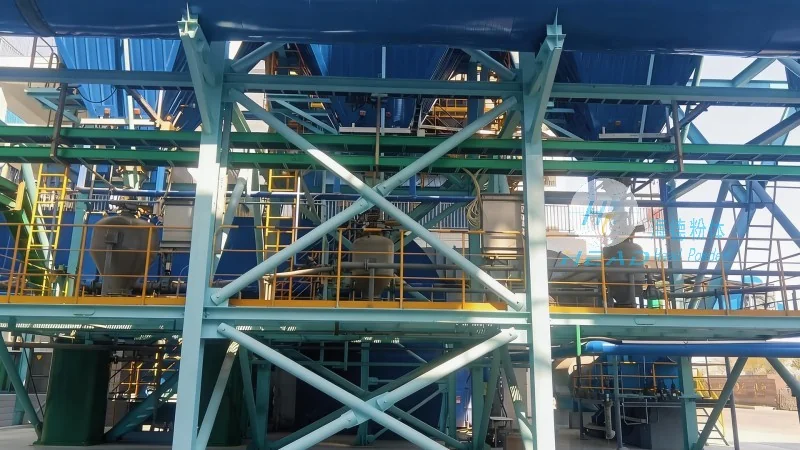
Using pneumatic conveying for tungsten carbide offers several advantages over traditional mechanical methods. One of the primary benefits is the ability to transport materials over long distances without the need for multiple transfer points or additional equipment. This reduces the risk of material contamination and improves overall operational efficiency. Additionally, pneumatic systems are more flexible in terms of layout, allowing for easy integration into existing industrial facilities. The absence of moving parts in the conveying line also minimizes maintenance requirements, leading to lower operational costs over the system's lifespan. Furthermore, the system can be designed to handle a wide range of material sizes and shapes, making it suitable for various tungsten carbide products, from fine powders to larger granules.
HeadPowder Engineering Co., Ltd. continues to innovate in the field of pneumatic conveying systems, particularly for handling tungsten carbide and other challenging materials. By combining advanced engineering, high-quality materials like tungsten carbide, and a customer-centric approach, the company ensures that its solutions meet the evolving needs of the industrial sector. With a strong presence in Shandong, China, and a commitment to excellence, HeadPowder remains a reliable partner for businesses seeking efficient and reliable material handling solutions. The principles and applications discussed in this article highlight the importance of pneumatic conveying in modern industrial operations and the role of tungsten carbide in enhancing system performance.

 Shandong Headpowder Engineering Co., Ltd.
 156-6277-7102(Manager Zhang)
  0531-83386006
  Zhangqiu District, Jinan City, Shandong Province, China
telephone
WeChatconsult
top