

Principle and Working Scenario Features of Vacuum Material Handling Pneumatic Conveying Lines
HeadPowder, a leading engineering company based in Shandong, China, specializes in the design, manufacturing, and installation of advanced material handling systems. Among their portfolio is the vacuum material handling pneumatic conveying line, a sophisticated solution for efficient bulk material transport. This article explores the underlying principles of these systems and highlights the key working scenario characteristics that make them indispensable in various industrial applications.
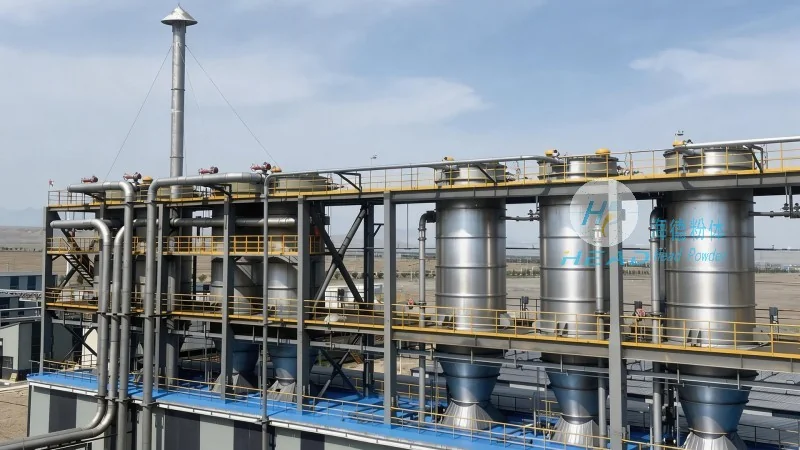
Overview of Vacuum Material Handling Pneumatic Conveying Lines
A vacuum material handling pneumatic conveying line is a closed-loop system that uses negative pressure to draw bulk materials from a source and transport them to a destination. Unlike positive pressure systems that push material through a pipeline, vacuum systems create a pressure differential that pulls material along, making them ideal for applications where material is located at a higher elevation or in confined spaces. The system typically consists of a vacuum pump, a material feed hopper, a conveying pipeline, a receiver, and control components. This integrated design ensures seamless material transfer with minimal disruption to the surrounding environment.
The Core Principle of Vacuum Material Handling
The fundamental principle of vacuum material handling is the creation of a pressure gradient that enables material movement. The vacuum pump generates a low-pressure environment in the pipeline, causing atmospheric pressure to push material from the source into the system. As material enters the pipeline, it is carried by the flowing air, which is continuously drawn by the pump. The speed and efficiency of material transport depend on factors such as the vacuum pressure, pipeline length, material properties (e.g., particle size, density, moisture content), and the system's design. HeadPowder's expertise lies in optimizing these parameters to achieve reliable and consistent material flow.
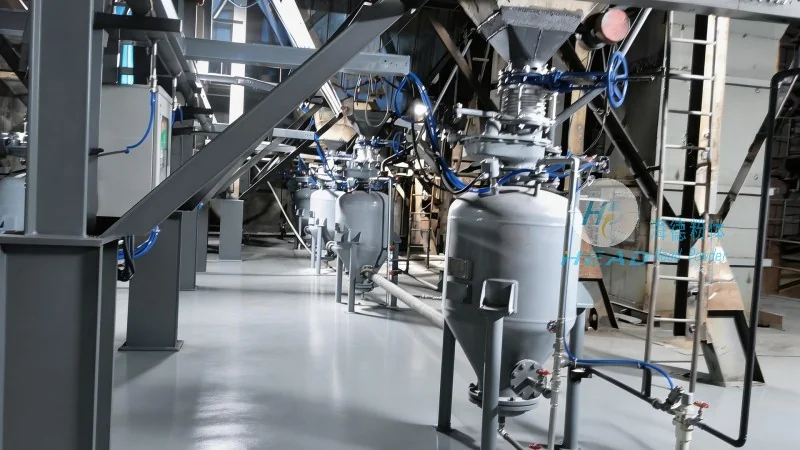
Key Working Scenario Characteristics
The working scenario characteristics of vacuum material handling pneumatic conveying lines are tailored to meet the diverse needs of industrial processes. These systems are particularly effective in scenarios where material is to be transferred from elevated or remote locations, such as silos, storage bins, or production lines. The closed-loop design minimizes dust emissions and environmental contamination, making them suitable for applications in pharmaceuticals, food processing, and chemical industries where hygiene and safety are paramount. Additionally, vacuum systems are advantageous in environments with limited space or where positive pressure systems might pose safety risks due to the potential for explosion or fire hazards.
Applications in Diverse Industries
Vacuum material handling pneumatic conveying lines are widely adopted across various sectors, including pharmaceutical manufacturing, food processing, chemical processing, and mining. In pharmaceutical facilities, these systems ensure the safe and hygienic transfer of powders and granules, adhering to stringent regulatory standards. In food processing plants, they maintain product purity and prevent cross-contamination by using sealed pipelines and cleanable components. Chemical processing industries benefit from the ability to handle abrasive or corrosive materials without damaging the conveying equipment. Mining operations utilize vacuum systems for ore transport from underground storage to processing facilities, improving operational efficiency and reducing labor costs.
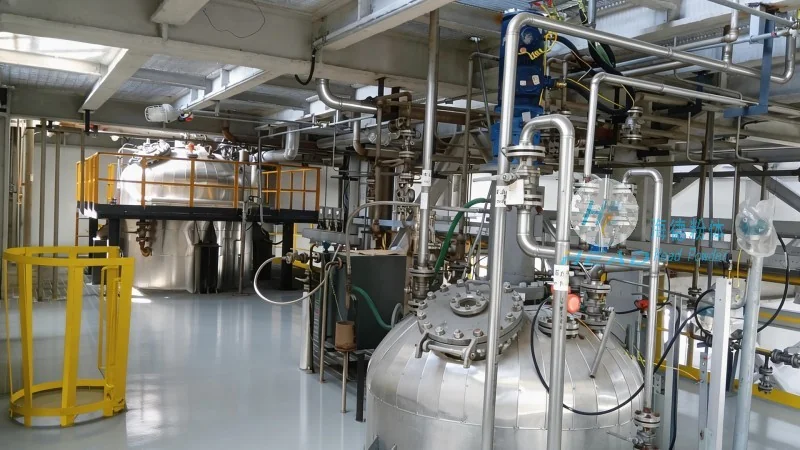
Advantages and Considerations
One of the primary advantages of vacuum material handling systems is their ability to handle a wide range of materials, from fine powders to coarse granules, with minimal degradation. The closed-loop design also reduces material waste and energy consumption compared to traditional methods like manual handling or bucket elevators. However, the system's performance is highly dependent on the material's properties and the system's design. For instance, highly abrasive materials may require special wear-resistant components to extend the equipment's lifespan. Additionally, the vacuum pump's capacity must be sufficient to maintain the required pressure differential, especially for long-distance or high-elevation transfers.
Conclusion
HeadPowder's vacuum material handling pneumatic conveying lines represent a cutting-edge solution for efficient and reliable bulk material transport. By leveraging the principles of negative pressure and closed-loop systems, these lines offer significant advantages in terms of safety, hygiene, and operational efficiency. With their expertise in system design and customization, HeadPowder ensures that each vacuum conveying line is tailored to meet the specific requirements of industrial applications, providing long-term value and performance. As industries continue to demand more sustainable and efficient material handling solutions, vacuum material handling systems remain a key component in modern manufacturing processes.