With more than 10‑year industry experience, Shandong Headpowder delivers full‑service pneumatic‑conveying systems and blowers, undertaking nationwide turn‑key powder‑handling projects.
High-pressure dense-phase pneumatic conveying systems represent a sophisticated method for transporting bulk materials through a pipeline using pressurized air. This technology is particularly effective for handling materials that are prone to bridging, agglomeration, or are sensitive to air exposure, making it a preferred choice in various industrial applications. The core of this system lies in its ability to maintain a high solid-to-gas ratio, ensuring efficient and reliable material transport while minimizing material degradation.
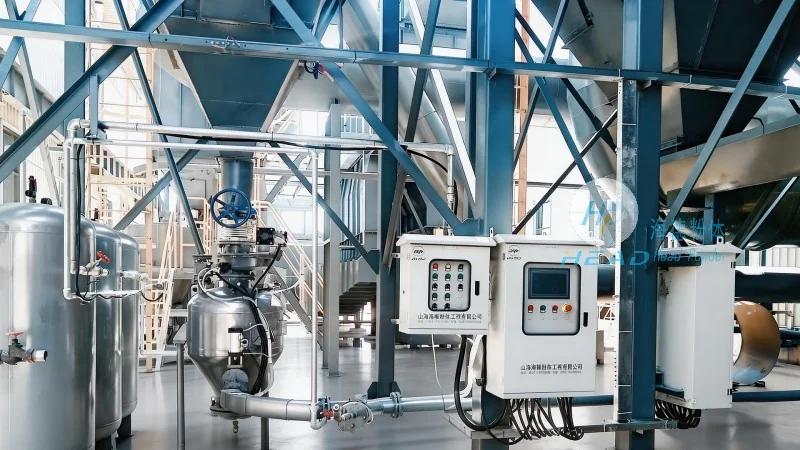
The design of a high-pressure dense-phase pneumatic conveying system is governed by several critical principles that ensure optimal performance and material handling. First, the system operates under high pressure, typically ranging from 5 to 15 bar, which allows for the creation of a dense phase where the material particles are closely packed together. This dense phase reduces the risk of material degradation and ensures a more uniform flow. Second, the system employs a controlled air flow rate, which is carefully matched to the material's characteristics and the pipeline dimensions. This control is essential to maintain the desired solid-to-gas ratio and prevent blockages or excessive pressure drops. Third, the design incorporates features such as in-line mixers or pulse valves to ensure consistent material suspension and prevent particle segregation. Additionally, the system's components, including the compressor, pipeline, and discharge equipment, are engineered to withstand the high pressures and abrasive nature of the conveyed materials, ensuring long-term reliability.
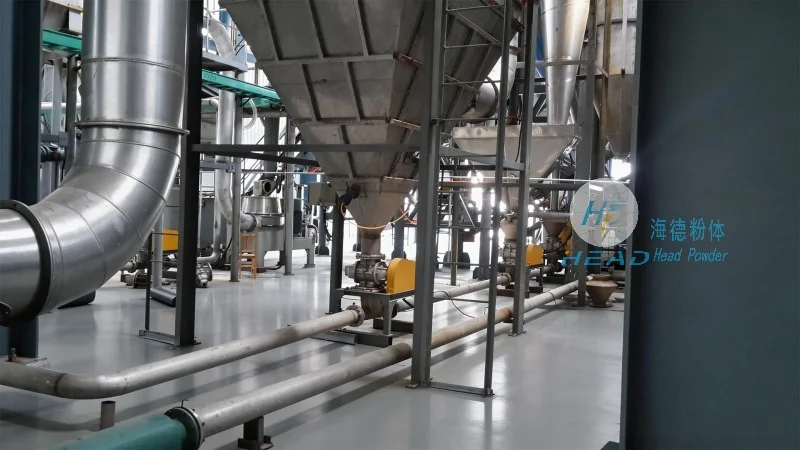
A high-pressure dense-phase pneumatic conveying system consists of several key components that work in tandem to achieve efficient material transport. The primary components include a high-pressure air compressor, which generates the necessary pressure to move the material through the pipeline. The compressor is typically equipped with a pressure control system to maintain a stable operating pressure. The pipeline itself is designed to handle the high pressures and abrasive materials, often made from materials such as stainless steel or special alloys to prevent corrosion and wear. At the inlet, a feeder or hopper is used to introduce the material into the system, ensuring a consistent feed rate. The feeder may include features like a rotary valve or a screw feeder to control the material flow. Along the pipeline, in-line mixers or pulse valves are installed to periodically inject additional air, maintaining the dense phase and preventing material settling. At the discharge end, a receiver or silo is used to collect the conveyed material, and a discharge valve or rotary valve controls the material release. The system also includes pressure sensors and flow meters to monitor performance and ensure optimal operation.
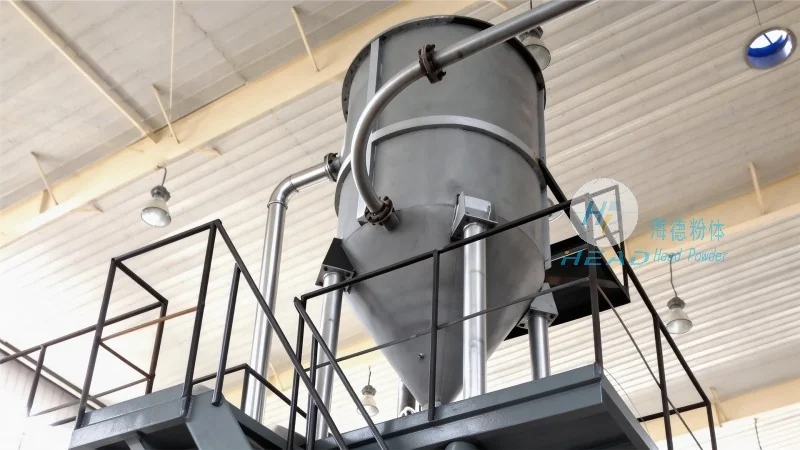
High-pressure dense-phase pneumatic conveying systems are widely used in various industries due to their versatility and efficiency. Common applications include the transport of powders, granules, and bulk materials in sectors such as pharmaceuticals, food processing, chemical manufacturing, and mining. The benefits of this technology include reduced material degradation, improved product quality, and enhanced safety compared to traditional conveying methods. Additionally, the system offers flexibility in terms of pipeline layout, allowing for vertical, horizontal, or mixed configurations to suit specific plant layouts. The high solid-to-gas ratio also minimizes the required air volume, reducing energy consumption and operational costs. Furthermore, the enclosed system design prevents dust emissions and environmental contamination, making it an environmentally friendly option for material handling.
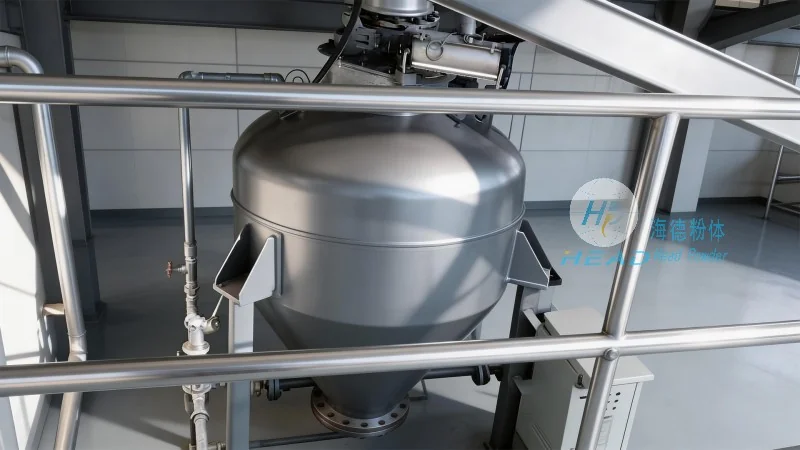
Shandong HeadPowder Engineering Co., Ltd., commonly known as HeadPowder, is a leading manufacturer and supplier of high-pressure dense-phase pneumatic conveying systems and related equipment. With a strong focus on innovation and quality, HeadPowder has established itself as a trusted partner in the material handling industry. The company's headquarters is located in Shandong, China, where it operates a state-of-the-art manufacturing facility equipped with advanced technology and skilled personnel. HeadPowder's team of engineers and technicians specializes in designing and manufacturing customized conveying systems tailored to the specific needs of clients, ensuring optimal performance and reliability. The company adheres to international quality standards and provides comprehensive after-sales support, including installation, commissioning, and maintenance services. HeadPowder's commitment to excellence and customer satisfaction has earned it a reputation for delivering high-quality products and solutions that meet the evolving demands of the industry.

 Shandong Headpowder Engineering Co., Ltd.
 156-6277-7102(Manager Zhang)
  0531-83386006
  Zhangqiu District, Jinan City, Shandong Province, China
telephone
WeChatconsult
top