With more than 10‑year industry experience, Shandong Headpowder delivers full‑service pneumatic‑conveying systems and blowers, undertaking nationwide turn‑key powder‑handling projects.
Polycrystalline silicon serves as a fundamental material in the photovoltaic industry, and the efficient transportation of this material is critical to production efficiency. Pneumatic conveying lines represent a sophisticated solution for handling polycrystalline silicon, leveraging compressed air to move material through a sealed pipeline system. This technology offers advantages such as dust-free operation, low energy consumption, and the ability to handle high-purity materials without contamination. The purpose of this article is to delve into the underlying principles of polycrystalline silicon pneumatic conveying lines and explore their typical operational environments, providing a comprehensive understanding of the technology's practical applications.
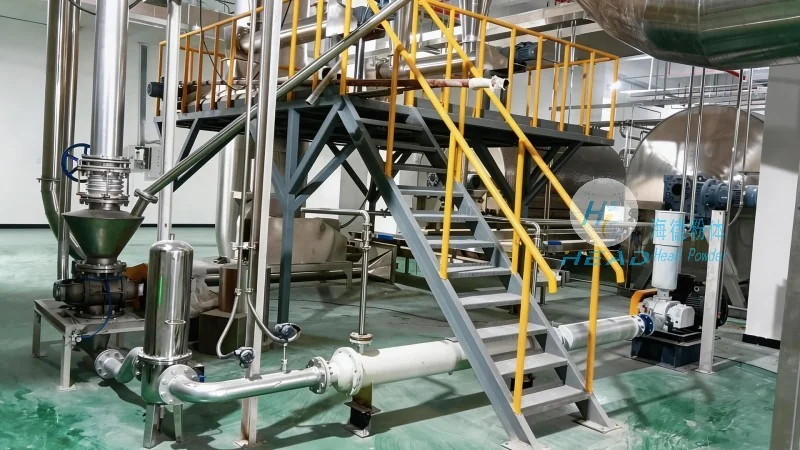
HeadPowder Engineering Co., Ltd. is a prominent engineering firm headquartered in Shandong, China. The company specializes in the design, development, and implementation of advanced material handling systems, with a particular focus on solutions for high-purity materials used in the photovoltaic and semiconductor industries. HeadPowder has built a reputation for delivering customized engineering solutions that meet the unique demands of its clients. The company's operational base in Shandong allows it to leverage local industrial resources and expertise, ensuring high-quality service and support for its projects.
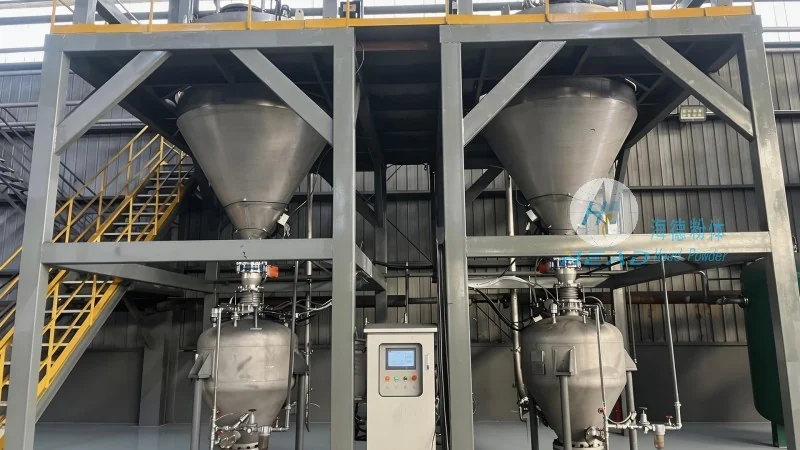
The fundamental principle of pneumatic conveying involves using compressed air to transport bulk materials through a pipeline. For polycrystalline silicon, the system typically comprises several key components: a material hopper, a rotary airlock valve, a conveying pipeline, and a receiving hopper. The process begins when polycrystalline silicon is fed from the hopper into the pipeline via the rotary valve. Compressed air is then introduced into the pipeline, creating a flow that propels the material forward. The air velocity is carefully regulated to maintain the material in a suspended state, ensuring efficient transport without particle degradation. The system may employ either dilute-phase or dense-phase conveying, depending on the material's characteristics and the specific application requirements. Dilute-phase conveying utilizes higher air velocities to move material in a suspended state, while dense-phase conveying employs lower velocities to push material in a slurry-like state, which is often preferred for delicate materials like polycrystalline silicon to minimize impact and abrasion.
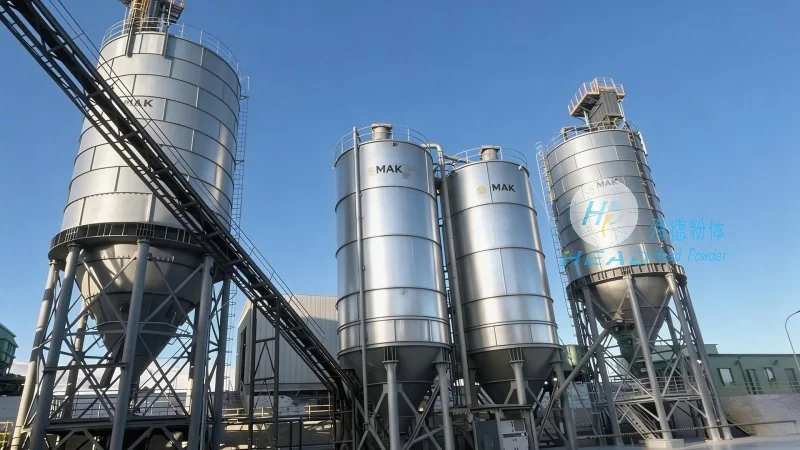
The application of polycrystalline silicon pneumatic conveying lines varies across different industrial settings. In manufacturing facilities, these systems are commonly integrated into solar cell production lines, where they transport raw polycrystalline silicon from storage to processing equipment. The systems are designed to align with existing production workflows, ensuring seamless material flow and minimizing downtime. Another typical scenario is in research and development laboratories, where precise control over material transport is essential for experimental processes. The flexibility of pneumatic conveying allows for easy reconfiguration of the pipeline layout to accommodate changes in production needs or facility expansions. Furthermore, the dust-free operation of these systems is critical in cleanroom environments, where contamination control is paramount for maintaining product quality and compliance with industry standards. The systems also offer the advantage of space efficiency, as they can be installed in confined areas without the need for extensive mechanical components.
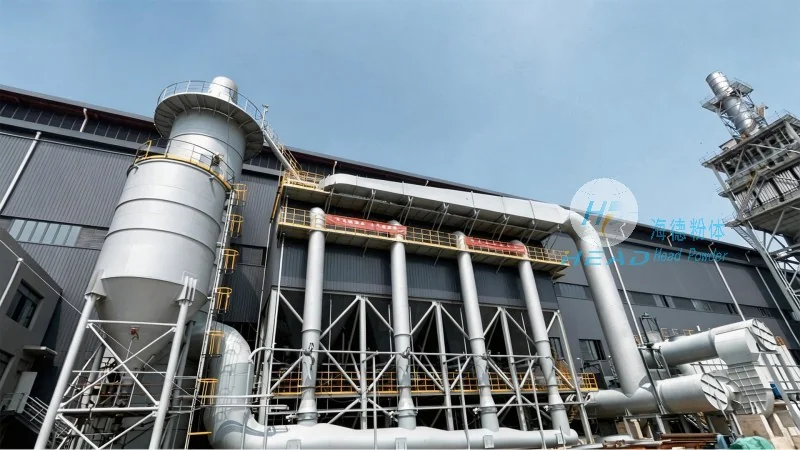
Polycrystalline silicon pneumatic conveying lines provide several advantages over traditional mechanical conveying methods. The primary benefit is the ability to handle high-purity materials without contamination, which is essential for photovoltaic applications where material quality directly impacts product performance. The systems also offer energy efficiency compared to other methods, as they require less power to operate. Another advantage is the reduced risk of material degradation due to the lack of mechanical contact, which is particularly important for fragile materials like polycrystalline silicon. However, there are practical considerations to address, such as the need for proper air filtration to prevent dust accumulation and system maintenance to ensure consistent performance. The design of the system must account for the material's properties, including its density and abrasiveness, to optimize conveying efficiency and minimize wear on components. Additionally, the system's control mechanisms must be robust enough to handle variations in material flow and air pressure, ensuring reliable operation under different conditions.

 Shandong Headpowder Engineering Co., Ltd.
 156-6277-7102(Manager Zhang)
  0531-83386006
  Zhangqiu District, Jinan City, Shandong Province, China
telephone
WeChatconsult
top