With more than 10‑year industry experience, Shandong Headpowder delivers full‑service pneumatic‑conveying systems and blowers, undertaking nationwide turn‑key powder‑handling projects.
Calcite, a widely used mineral in various industrial applications, often requires efficient and reliable material handling solutions for its transportation from extraction sites to processing facilities. Pneumatic conveying systems have emerged as a preferred method for handling calcite materials due to their ability to transport bulk materials in a dust-free, controlled environment. This article explores the fundamental principles behind calcite material pneumatic conveying systems and highlights the key characteristics of their operational scenarios, presented by Shandong HeadPowder Engineering Co., Ltd., a leading provider of material handling solutions in China.
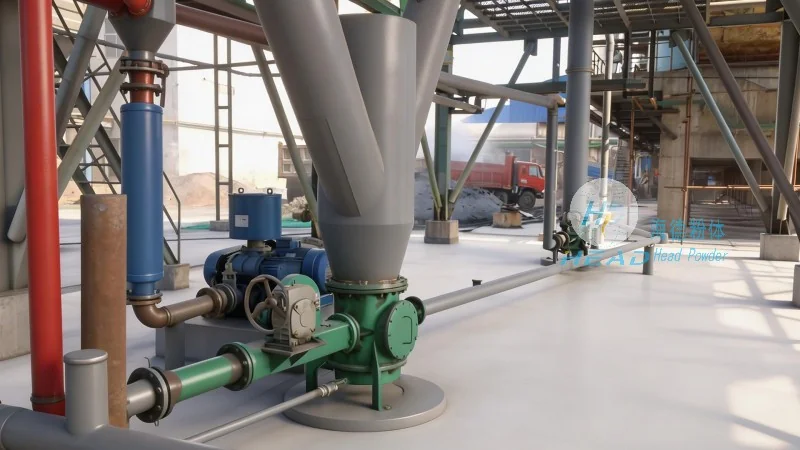
The core principle of pneumatic conveying for calcite materials involves the use of compressed air or other gas to transport particles through a pipeline. In this process, the calcite particles are suspended and propelled by the moving air stream, which can be either dense-phase or dilute-phase depending on the system design and material properties. Dense-phase conveying typically uses higher air velocities and lower particle concentrations to ensure stable flow, while dilute-phase conveying relies on lower velocities and higher particle concentrations, often with the aid of cyclones or other separation devices at the discharge end.
For calcite, which is often processed in large quantities, the choice of pneumatic conveying system depends on several factors including the particle size distribution, moisture content, and the required distance of transport. The system design must also consider the need to minimize material degradation and prevent clogging, as calcite particles can be abrasive and prone to sticking under certain conditions. Advanced control systems and material-specific components, such as specialized valves and filters, are commonly integrated into the system to ensure smooth operation and extend equipment lifespan.
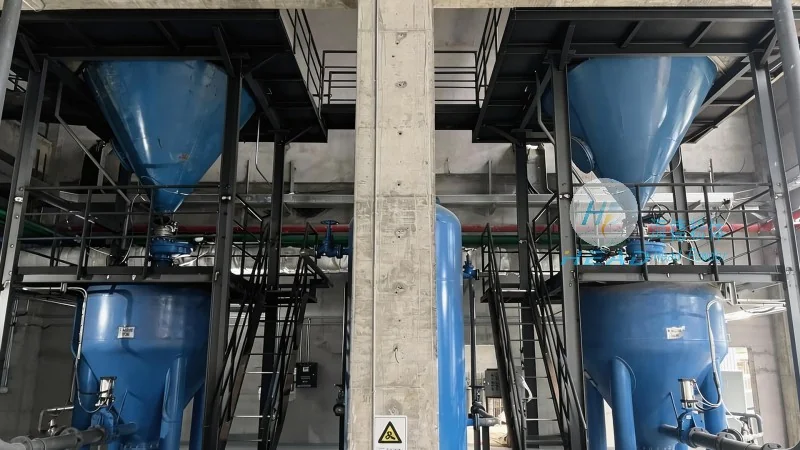
One of the primary working scene characteristics of calcite material pneumatic conveying systems is their application in mining and quarry operations. In these environments, the system is used to transport calcite ore from the extraction site to crushing and grinding facilities. The dust-free nature of pneumatic conveying is particularly advantageous in these settings, as it reduces the risk of respiratory hazards for workers and minimizes environmental contamination. The system's ability to handle large volumes of material efficiently makes it ideal for high-throughput mining operations.
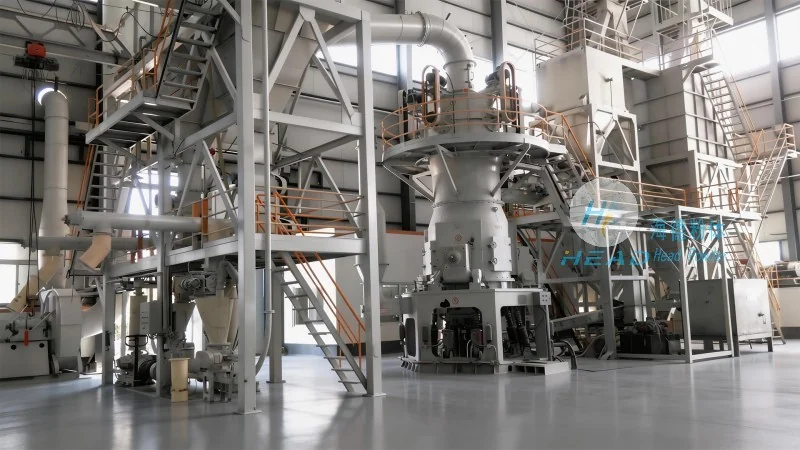
Another key working scene is in the calcite processing and manufacturing industries, where the material is often converted into products like calcium carbonate, which is used in a wide range of applications including paper, plastics, and construction materials. In these facilities, the pneumatic conveying system is used to transport calcite from storage silos to processing equipment, such as ball mills or classifiers. The system's ability to maintain consistent material flow and particle size distribution is critical for ensuring the quality of the final product. Additionally, the system's compact design allows for integration into existing processing lines without significant modifications.
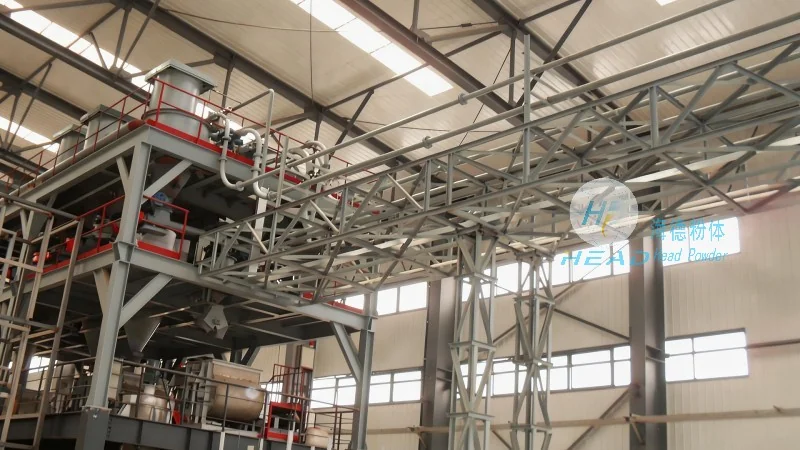
The operational characteristics of calcite material pneumatic conveying systems also include considerations related to energy efficiency and maintenance. Modern systems often incorporate energy-saving features, such as variable frequency drives (VFDs) to adjust air pressure and flow based on the material load. This not only reduces operational costs but also minimizes the environmental impact of the system. Regular maintenance, including cleaning of filters and inspection of pipeline components, is essential to prevent system downtime and ensure long-term reliability. The use of durable materials, such as stainless steel or corrosion-resistant coatings, further enhances the system's longevity in handling calcite, which can be corrosive in certain processing environments.
In summary, calcite material pneumatic conveying systems offer a robust and efficient solution for handling this important mineral. By understanding the fundamental principles of pneumatic transport and the specific characteristics of calcite materials, engineers can design and implement systems that meet the demands of various industrial applications. The working scene characteristics of these systems, from mining operations to processing facilities, highlight their versatility and importance in the calcite supply chain. As the demand for calcite products continues to grow, the role of advanced pneumatic conveying systems will remain critical in ensuring the smooth and sustainable operation of calcite-related industries.

 Shandong Headpowder Engineering Co., Ltd.
 156-6277-7102(Manager Zhang)
  0531-83386006
  Zhangqiu District, Jinan City, Shandong Province, China
telephone
WeChatconsult
top