

Positive Pressure vs. Negative Pressure Pneumatic Conveying for Chili Powder: A Comparative Analysis
Efficient and reliable material handling is crucial in the food processing industry, especially when dealing with delicate and sensitive products like chili powder. Pneumatic conveying systems offer a non-contact, hygienic method to transport such powders, minimizing product degradation and contamination risks. Two primary methods dominate this field: positive pressure and negative pressure pneumatic conveying. This analysis explores the characteristics, advantages, and limitations of each approach, providing insights for selecting the most suitable system for chili powder applications.
Understanding Positive Pressure Pneumatic Conveying
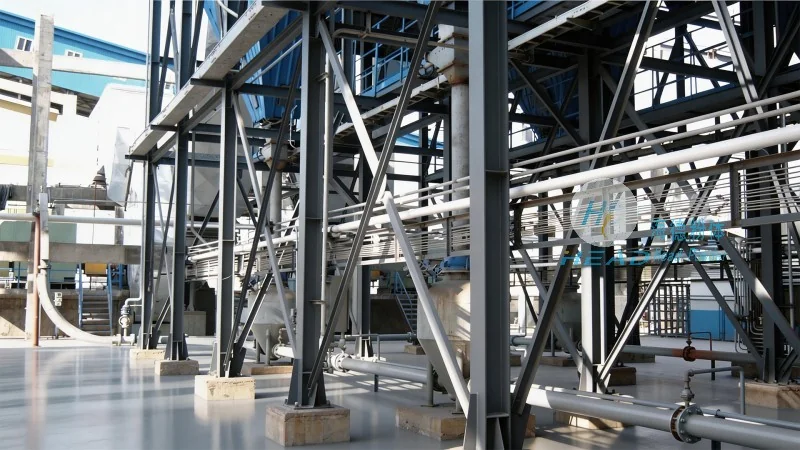
Positive pressure pneumatic conveying operates by blowing air or a gas mixture into the conveying line, creating a pressure higher than the ambient environment. This method propels the material forward through the pipeline. In the context of chili powder, this approach is often preferred for its ability to handle abrasive or sticky powders without causing excessive wear on equipment. The high-pressure air ensures that the powder is fully suspended and transported with minimal segregation or degradation. Companies like Shandong HeadPowder Engineering Co., Ltd. (headpowder) specialize in designing and manufacturing positive pressure systems tailored to the unique demands of chili powder, including considerations for moisture content and particle size distribution.
Key Advantages of Positive Pressure Conveying
One of the most significant benefits of positive pressure systems is their high conveying capacity and ability to handle long distances or multiple transfer points. The consistent pressure ensures a steady flow rate, which is essential for maintaining production line efficiency. Additionally, positive pressure systems are generally more forgiving when it comes to pipeline blockages, as the high pressure can help dislodge clogs. For chili powder, which may have varying particle sizes, the uniform suspension provided by positive pressure reduces the risk of agglomeration or separation during transport. This results in a more consistent final product quality, which is critical for food manufacturers aiming for uniform flavor and color.
Challenges and Limitations of Positive Pressure Systems
Despite its advantages, positive pressure pneumatic conveying has notable drawbacks. The high air pressure required can lead to increased energy consumption and operational costs. Moreover, the system is more susceptible to leaks, which can compromise product purity and safety. Another challenge is the potential for product degradation due to the high velocity of air, especially for heat-sensitive or delicate powders like chili powder. Overly high air speeds can cause friction and heat buildup, affecting the product's aroma and nutritional properties. Furthermore, positive pressure systems may require more robust and expensive equipment, such as high-pressure blowers and reinforced pipelines, to withstand the internal pressure.
Exploring Negative Pressure Pneumatic Conveying
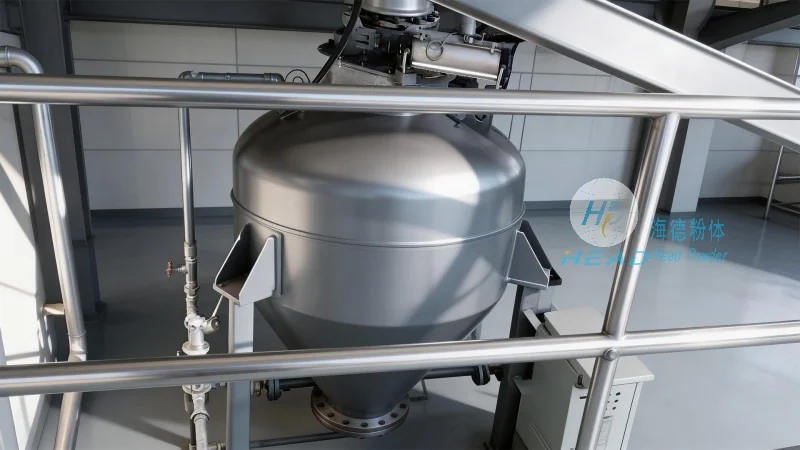
Negative pressure pneumatic conveying, also known as vacuum conveying, works by creating a vacuum in the receiving container or pipeline, drawing the material into the system. This method is often used for short-distance or low-volume conveying tasks. For chili powder, negative pressure systems are typically employed in applications where the material needs to be collected from a storage silo or hopper and transferred to a processing unit. The vacuum created ensures that the powder is drawn into the pipeline without the need for high-pressure air, reducing energy consumption and equipment complexity. However, this method is less efficient for long-distance or high-volume transport, as the vacuum pressure limits the conveying distance and capacity.
Advantages of Negative Pressure Conveying
The primary advantage of negative pressure systems is their lower energy consumption compared to positive pressure alternatives. The vacuum created is sufficient to draw material into the pipeline, making it an economical choice for short-distance applications. Additionally, negative pressure conveying is less likely to cause product degradation due to lower air velocities, which is beneficial for heat-sensitive chili powders. The system is also more compact and requires less space for installation, as it does not need high-pressure blowers or extensive pipeline reinforcement. This makes it suitable for facilities with limited floor space or where the conveying distance is short.
Limitations of Negative Pressure Systems
Despite its energy efficiency, negative pressure pneumatic conveying has several limitations. The most significant drawback is its lower conveying capacity and limited distance capability. The vacuum pressure can only draw material over short distances, typically up to a few hundred meters, and at lower flow rates. This restricts its use to applications where the receiving and source points are close together. Another limitation is the potential for product degradation due to the longer residence time in the pipeline, as the material may be exposed to air for a more extended period. This can lead to oxidation or moisture absorption, affecting the quality of the chili powder. Furthermore, negative pressure systems are more prone to clogging, as the vacuum may not be strong enough to dislodge blockages, requiring manual intervention or additional cleaning mechanisms.
Comparative Analysis: Positive vs. Negative Pressure for Chili Powder
When deciding between positive and negative pressure pneumatic conveying for chili powder, several factors must be considered. The primary determinant is the conveying distance and volume requirements. For long-distance or high-volume transport, positive pressure systems are generally more suitable due to their higher capacity and ability to handle longer distances. However, for short-distance or low-volume applications, negative pressure systems offer a cost-effective and energy-efficient solution. The nature of the chili powder itself also plays a critical role. If the powder is heat-sensitive or prone to degradation, negative pressure may be preferred to minimize air exposure. Conversely, if the powder has high moisture content or is abrasive, positive pressure systems with robust design can provide better performance and durability.
Case Study: HeadPowder's Solutions for Chili Powder Conveying
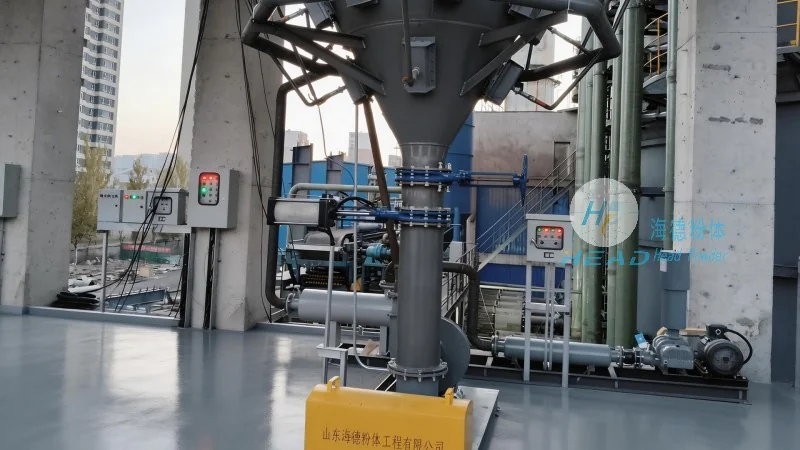
Shandong HeadPowder Engineering Co., Ltd. (headpowder) has extensive experience in designing customized pneumatic conveying systems for chili powder and other food powders. The company's solutions are tailored to the specific needs of each client, considering factors such as production scale, conveying distance, and product characteristics. For example, a client requiring long-distance transport of chili powder from a silo to a processing plant might opt for a positive pressure system with high-capacity blowers and reinforced pipelines. In contrast, a client with a short-distance transfer requirement might choose a negative pressure system to reduce energy costs. HeadPowder's engineers conduct thorough analyses of the material properties, including particle size distribution, moisture content, and flowability, to ensure the selected system maximizes efficiency and product quality. The company also provides maintenance and support services to ensure the longevity and reliability of the conveying systems.
Conclusion: Selecting the Right Pneumatic Conveying System
Both positive and negative pressure pneumatic conveying offer viable solutions for chili powder handling, each with its own set of advantages and limitations. The choice between the two depends on the specific operational requirements, including conveying distance, volume, and product characteristics. Positive pressure systems are ideal for high-volume, long-distance transport, while negative pressure systems are better suited for short-distance, low-volume applications. By understanding the technical aspects and practical considerations of each method, food processing companies can select the most appropriate pneumatic conveying system to ensure efficient, hygienic, and cost-effective transport of chili powder. Shandong HeadPowder Engineering Co., Ltd. (headpowder) remains a trusted partner in providing tailored solutions that meet the unique demands of chili powder handling, contributing to the overall success of food processing operations.