With more than 10‑year industry experience, Shandong Headpowder delivers full‑service pneumatic‑conveying systems and blowers, undertaking nationwide turn‑key powder‑handling projects.
When it comes to the efficient and safe transportation of sodium nitrate, pneumatic conveying systems have emerged as a critical solution in industrial applications. This technology offers a reliable method for moving this chemical, which is widely used in fertilizers, explosives, and other industrial processes. The choice between negative pressure and positive pressure systems depends on various factors such as material properties, system design, and operational requirements. This article provides a comprehensive overview of both approaches, highlighting their advantages, challenges, and practical applications.
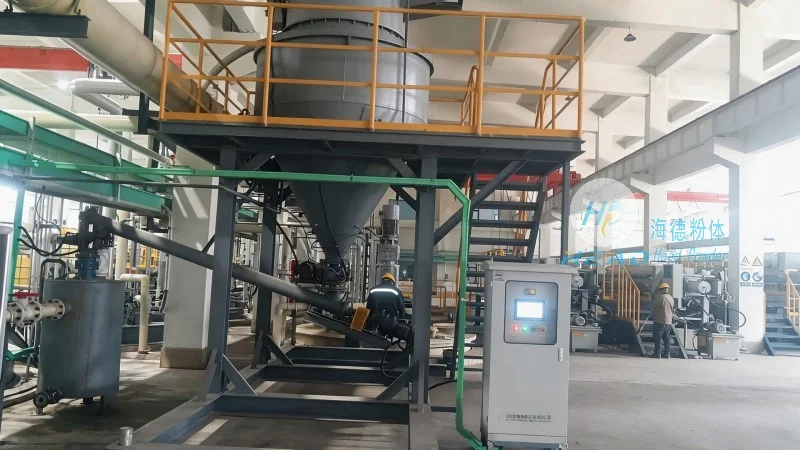
Sodium nitrate, also known as Chile saltpeter, is a vital chemical compound with diverse industrial applications. Its handling requires specialized equipment due to its potential to cause dust explosions and other safety concerns. Pneumatic conveying systems provide an effective means to transport sodium nitrate in a controlled manner, minimizing exposure risks and ensuring process efficiency. The two primary types of pneumatic conveying systems—negative pressure (or vacuum) and positive pressure—each offer unique benefits and are selected based on specific operational needs.
Negative pressure pneumatic conveying systems operate by creating a vacuum at the material inlet, drawing the sodium nitrate from the source into the conveying line. This method is particularly suitable for applications where the material is to be transferred from a silo or storage bin to a processing unit. The system typically includes a vacuum pump, a filter, and a collection hopper at the destination. One of the key advantages of negative pressure systems is their ability to handle materials that are prone to dust generation, as the vacuum helps to contain particles and prevent dispersion. However, these systems may have limitations in terms of distance and material capacity compared to positive pressure systems.
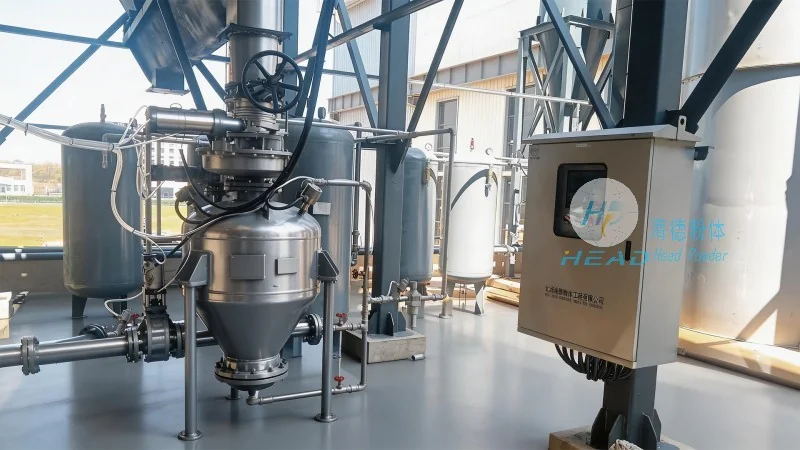
Positive pressure systems, on the other hand, use a blower or compressor to generate pressure and push the sodium nitrate through the conveying line. This approach is often preferred for longer distances or when the material needs to be transferred from multiple sources to a central processing facility. The positive pressure method allows for higher material flow rates and can handle larger quantities of sodium nitrate efficiently. Additionally, positive pressure systems are generally more robust and can accommodate more complex system configurations, such as multiple inlets and outlets. However, they require careful consideration of pressure management to prevent material degradation or equipment damage.
Both negative and positive pressure pneumatic conveying systems consist of several critical components that ensure optimal performance. The material feed hopper is essential for controlling the flow rate and preventing blockages. The conveying line, usually made of stainless steel or other corrosion-resistant materials, must be designed to withstand the chemical properties of sodium nitrate and the pressures involved. For negative pressure systems, a high-efficiency filter is crucial to capture dust particles and maintain air quality. In positive pressure systems, the blower or compressor must be selected based on the required pressure and flow rate, ensuring that it can handle the specific characteristics of sodium nitrate, such as its density and abrasiveness.
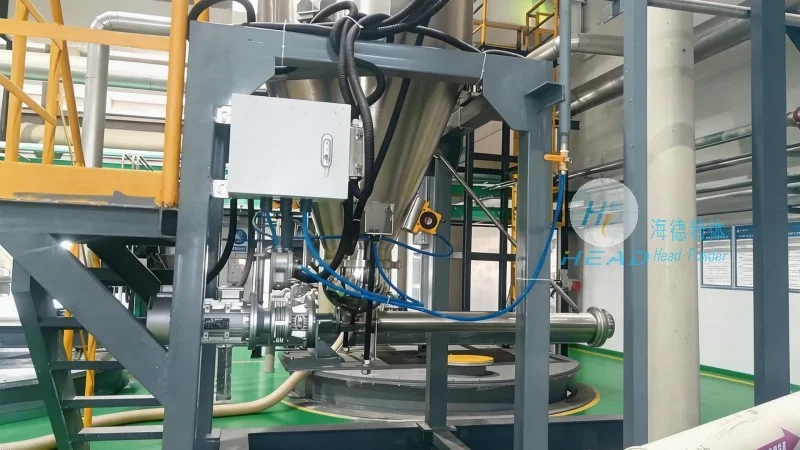
Each pneumatic conveying system has its own set of advantages and challenges. Negative pressure systems excel in dust control and are ideal for applications where the material is sensitive to pressure changes. They are also generally quieter and require less maintenance compared to positive pressure systems. However, they may not be suitable for long-distance transfers or when high material throughput is needed. Positive pressure systems, while capable of handling larger volumes and longer distances, can generate more noise and require more robust equipment to manage the higher pressures. Additionally, they may pose higher safety risks due to the potential for pressure buildup and material leakage.
Sodium nitrate pneumatic conveying systems are widely used in various industrial sectors. In the fertilizer industry, these systems are employed to transport sodium nitrate from storage silos to blending and packaging units. The ability to handle large quantities efficiently makes them ideal for high-volume production lines. In the explosives industry, the safe and controlled transport of sodium nitrate is critical, as it is a key component in the manufacturing of blasting agents. Pneumatic conveying ensures that the material is handled without generating dust or causing accidental ignition. Other applications include the chemical processing industry, where sodium nitrate is used as a raw material in the production of other chemicals, and the food industry, where it is used as a preservative in certain products.
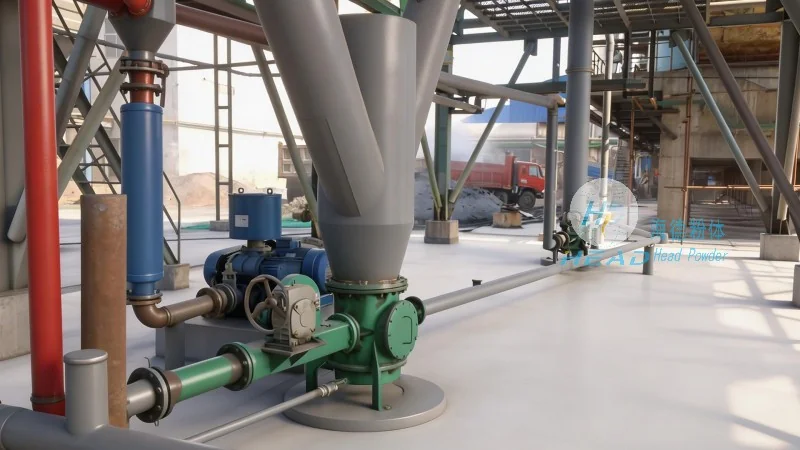
Shandong HeadPowder Engineering Co., Ltd., a leading provider of pneumatic conveying solutions, has successfully implemented both negative and positive pressure systems for sodium nitrate transportation in various industrial projects. One notable case involved a fertilizer plant in China where the company designed and installed a negative pressure system to transfer sodium nitrate from a 100-ton silo to a processing facility. The system was equipped with a high-efficiency filter and a vacuum pump capable of maintaining a consistent vacuum level, ensuring that dust was effectively contained and the material was transported safely. The project resulted in a significant reduction in handling time and improved overall operational efficiency. Another project involved a positive pressure system for a chemical processing plant, where the company designed a system capable of transporting sodium nitrate over a distance of 500 meters with a flow rate of 10 tons per hour. The system utilized a high-pressure blower and a robust conveying line, meeting the plant's production requirements while maintaining safety standards.
In conclusion, both negative and positive pressure pneumatic conveying systems offer effective solutions for the transportation of sodium nitrate, with each approach suited to different operational needs. The choice between the two depends on factors such as distance, material volume, and safety considerations. As industrial processes continue to evolve, the demand for efficient and safe material handling systems will remain high. Companies like Shandong HeadPowder Engineering Co., Ltd. play a crucial role in developing and implementing these systems, ensuring that sodium nitrate is transported reliably and safely in various industrial applications. With advancements in technology, future pneumatic conveying systems may incorporate more automation and advanced control systems to further enhance efficiency and safety.

 Shandong Headpowder Engineering Co., Ltd.
 156-6277-7102(Manager Zhang)
  0531-83386006
  Zhangqiu District, Jinan City, Shandong Province, China
telephone
WeChatconsult
top