With more than 10‑year industry experience, Shandong Headpowder delivers full‑service pneumatic‑conveying systems and blowers, undertaking nationwide turn‑key powder‑handling projects.
Yeast powder, as a critical ingredient in the food and beverage industry, demands efficient and reliable handling solutions to maintain product quality and operational efficiency. Pneumatic conveying technology has become a leading method for transporting yeast powder, offering advantages such as reduced contamination, enhanced hygiene, and improved process control. This article explores the fundamental principles of pneumatic conveying, focusing on vacuum and positive pressure systems, and examines their practical applications in yeast powder handling.
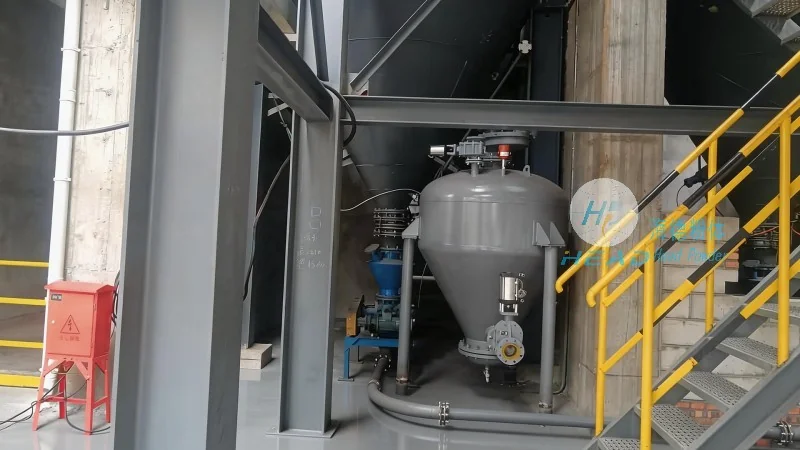
Pneumatic conveying involves transporting bulk materials like yeast powder through a pipeline using air or gas as the conveying medium. The two primary types of pneumatic conveying systems are vacuum (suction) and positive pressure (pressure) systems. Each operates on distinct principles and is suited to different operational requirements and material characteristics.
Vacuum pneumatic conveying, or suction conveying, creates a negative pressure (vacuum) at the receiving end to draw yeast powder into the conveying line. The system typically includes a vacuum pump, a hopper, and a filter to collect the material. Vacuum systems are particularly effective for fine, dusty materials like yeast powder, as they can transport materials over moderate distances without high air velocities. They are also advantageous when the source is at a higher elevation than the destination, as the vacuum can pull the material upward.
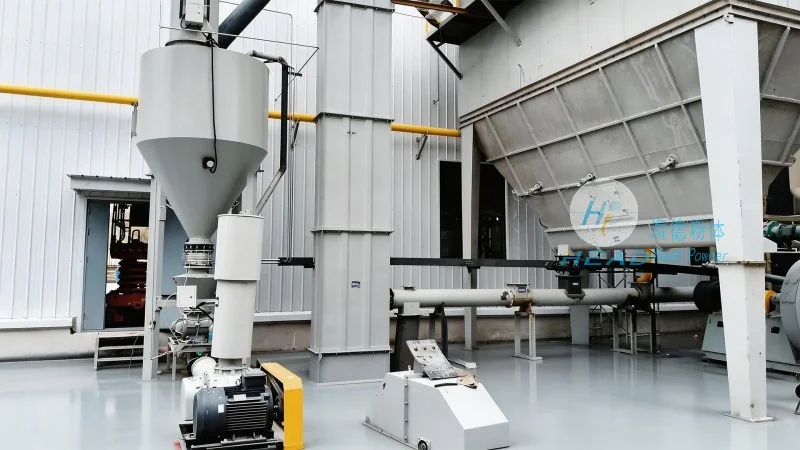
Positive pressure pneumatic conveying, or pressure conveying, pressurizes the conveying line with air or gas using a blower or compressor. The pressurized air pushes the yeast powder through the pipeline. This system is ideal for longer distances and handling a wider range of material sizes and moisture contents. Positive pressure systems are preferred when the source is at a lower elevation than the destination, as the pressurized air can push the material downward. They also offer better control over the conveying rate and can handle more abrasive or corrosive materials.
The choice between vacuum and positive pressure pneumatic conveying depends on factors like distance, material characteristics (particle size, moisture, dustiness), required capacity, and system layout. Vacuum systems are cost-effective for short to medium distances and fine materials, easier to install/maintain without high-pressure components. However, they have limitations in maximum distance/capacity and may not suit large quantities or high air velocities.
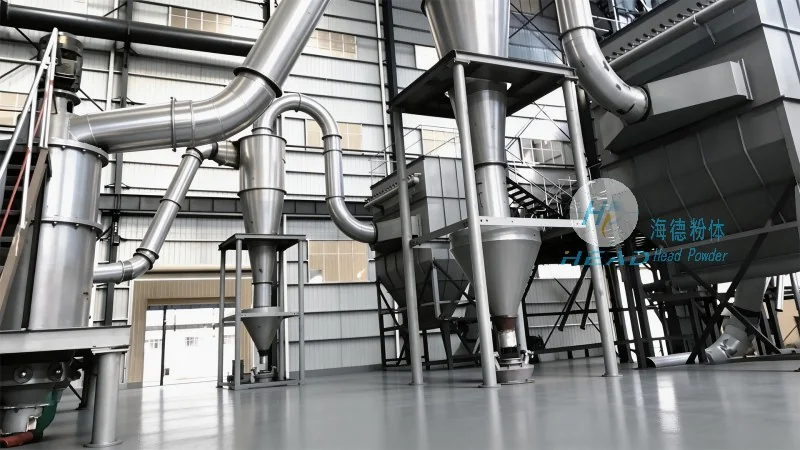
Pneumatic conveying is widely used in yeast powder applications, including:
Both vacuum and positive pressure systems offer advantages over mechanical conveying for yeast powder:

 Shandong Headpowder Engineering Co., Ltd.
 156-6277-7102(Manager Zhang)
  0531-83386006
  Zhangqiu District, Jinan City, Shandong Province, China
telephone
WeChatconsult
top