With more than 10‑year industry experience, Shandong Headpowder delivers full‑service pneumatic‑conveying systems and blowers, undertaking nationwide turn‑key powder‑handling projects.
For industrial applications requiring the efficient and reliable transport of fine coal powder, specialized conveying systems are essential. This article explores the fundamental principles underlying fine coal powder material conveying lines and highlights key working scene characteristics that define their operational effectiveness. The focus is on the technical aspects and practical applications within industrial settings, providing insights into how these systems function and where they are most effectively utilized.
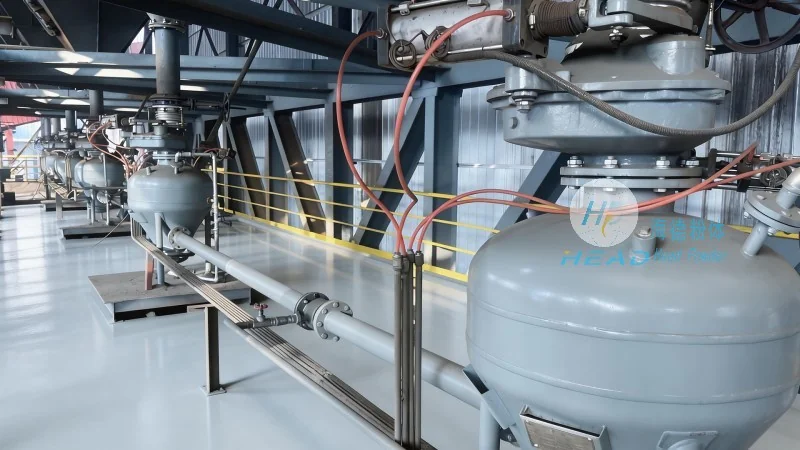
Headpowder, a leading engineering firm based in Shandong, China, specializes in the design, manufacturing, and implementation of advanced material handling solutions. With a strong commitment to innovation and quality, the company has established itself as a trusted provider of conveying systems tailored to the unique demands of various industrial sectors. The expertise of Headpowder engineers ensures that each system is optimized for performance, durability, and safety, catering to the specific requirements of clients in the coal processing and related industries.
Fine coal powder material conveying lines operate on the principle of utilizing mechanical forces to move particulate materials through a closed or semi-closed system. The core components typically include a feeding mechanism, a conveying medium (such as air or a carrier gas), and a discharge system. The process begins with the introduction of fine coal powder into the system, where it is mixed with the conveying medium to form a dilute or dense phase flow. Depending on the system design, the conveying can occur through pneumatic or mechanical means. Pneumatic conveying systems rely on the pressure differential created by the conveying medium to transport the material, while mechanical systems use rotating components like screws, belts, or buckets to move the powder. The choice of system type is determined by factors such as material properties, required transport distance, and operational environment. For fine coal powder, which is prone to dust generation and requires controlled handling, pneumatic systems are often preferred due to their ability to maintain material integrity and minimize contamination.
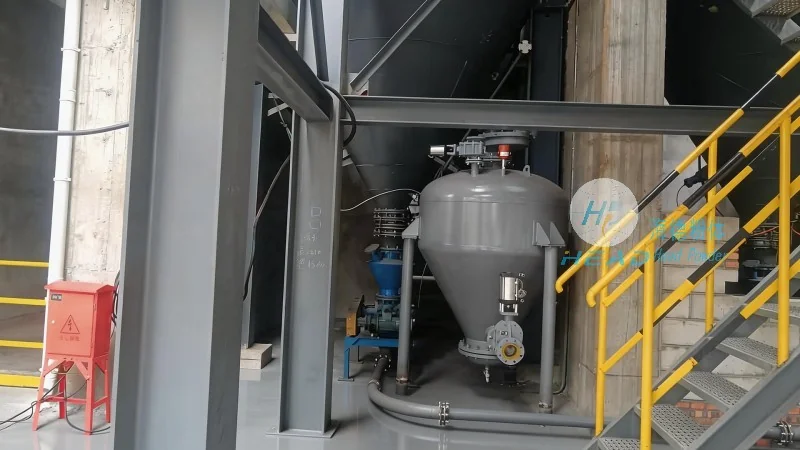
The working scene characteristics of fine coal powder conveying lines are shaped by several key factors that influence their performance and suitability in different industrial applications. One primary characteristic is the need for dust control and environmental management. Fine coal powder is a fine particulate material that can easily become airborne, posing health and safety risks to personnel and potentially causing operational issues such as clogging or equipment wear. Effective conveying systems incorporate dust suppression measures, including sealed containers, filtration systems, and controlled discharge points, to mitigate these risks. Another critical characteristic is the requirement for precise material flow control. In industrial processes, the consistent and accurate delivery of fine coal powder is essential for maintaining production efficiency and product quality. Conveying systems are equipped with sensors and control mechanisms to monitor and regulate the flow rate, ensuring that the material is transported at the desired speed and volume. This precision is particularly important in applications such as power generation, where the quality of coal feed directly impacts combustion efficiency and emissions. Additionally, the working scene characteristics include considerations for space constraints and integration with existing infrastructure. Many industrial facilities have limited space available for conveying equipment, requiring compact and modular designs that can be easily integrated into existing layouts. The systems must also be compatible with other process equipment, such as storage silos, crushers, and burners, to form a seamless material handling chain. The operational environment, including temperature, humidity, and exposure to corrosive substances, also plays a role in determining the appropriate materials and design features of the conveying system. For example, in coal processing plants, the equipment may be exposed to high temperatures and abrasive particles, necessitating the use of durable materials like stainless steel or specialized coatings to ensure long-term reliability.
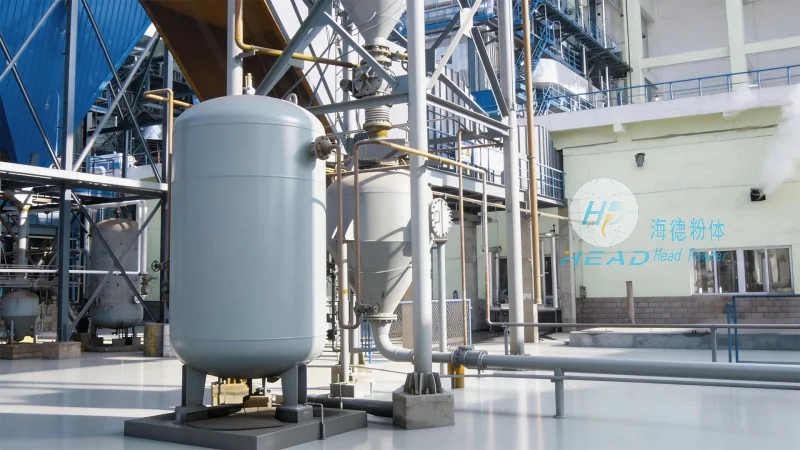
Fine coal powder material conveying lines are widely used in various industrial applications where the transport of fine particulate materials is critical. One prominent application is in power generation facilities, where coal is transported from storage silos to boilers for combustion. The efficiency of the conveying system directly impacts the overall plant performance, as delays or disruptions in coal supply can lead to reduced power output or increased operational costs. In such scenarios, the conveying system must be capable of handling large volumes of fine coal powder over long distances while maintaining consistent flow rates. Another application is in coal preparation plants, where fine coal is transported between processing stages such as crushing, screening, and drying. The conveying systems in these plants are designed to handle varying particle sizes and moisture content, ensuring that the material is processed effectively without clogging or degradation. Additionally, fine coal powder conveying lines are used in industrial manufacturing processes, such as the production of cement, where coal is used as a fuel source. The systems must be able to transport coal to the kilns while minimizing dust emissions and ensuring that the material is delivered in a controlled manner to maintain the quality of the final product. The working scene characteristics of these applications emphasize the need for reliability, efficiency, and environmental compliance. The systems must operate continuously with minimal downtime, and their design must align with regulatory requirements for air quality and occupational safety. Headpowder's expertise in tailoring conveying solutions to specific application needs ensures that clients can achieve optimal operational performance and meet industry standards.
In conclusion, fine coal powder material conveying lines are essential components of modern industrial operations, enabling the efficient and safe transport of fine particulate materials. The principles underlying these systems, combined with their working scene characteristics, determine their effectiveness in various applications. The importance of dust control, precise flow control, and integration with existing infrastructure cannot be overstated, as they directly impact operational efficiency and environmental compliance. As industrial demands evolve, the future of fine coal powder conveying systems will likely involve advancements in technology, such as the integration of smart sensors and automation, to enhance performance and reduce maintenance requirements. Additionally, there may be a shift towards more sustainable and eco-friendly designs, incorporating energy-efficient technologies and materials that minimize environmental impact. However, the core principles of mechanical and pneumatic conveying will remain fundamental, as they continue to provide reliable solutions for the transport of fine coal powder in industrial settings. Headpowder's commitment to innovation and customer-centric solutions positions the company as a key player in the development and implementation of advanced material handling systems, ensuring that clients can meet their operational goals while adhering to industry standards and regulatory requirements.

 Shandong Headpowder Engineering Co., Ltd.
 156-6277-7102(Manager Zhang)
  0531-83386006
  Zhangqiu District, Jinan City, Shandong Province, China
telephone
WeChatconsult
top