With more than 10‑year industry experience, Shandong Headpowder delivers full‑service pneumatic‑conveying systems and blowers, undertaking nationwide turn‑key powder‑handling projects.
HeadPowder, formally known as Shandong HeadPowder Engineering Co., Ltd., is a professional manufacturer based in Shandong, China. The company specializes in the design, development, and production of advanced material conveying systems, particularly those tailored for sanding powder handling. These systems are engineered to meet the demanding requirements of various industrial applications, ensuring efficient and reliable material transport.
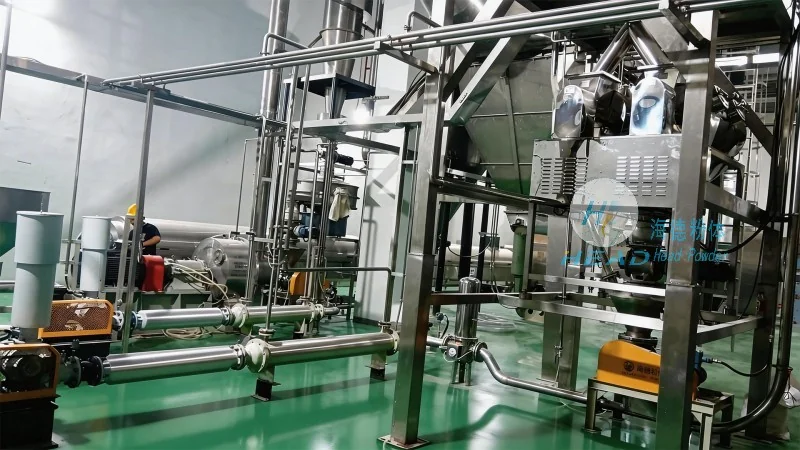
The core principle of sanding powder material conveying lines lies in the integration of specialized equipment and control systems to facilitate the movement of abrasive sanding powders from storage to processing points. A typical system comprises several key components, including hoppers for material storage, conveyor belts or screw conveyors for transport, and control units for operational management. The hoppers are designed with appropriate dimensions and material properties to prevent powder caking and ensure smooth discharge. The conveyor mechanisms, such as belt conveyors or pneumatic systems, are selected based on the specific characteristics of the sanding powder—like particle size, moisture content, and bulk density—to optimize transport efficiency. Control units, often equipped with sensors and programmable logic controllers (PLCs), monitor the flow rate, pressure, and other critical parameters, enabling real-time adjustments to maintain consistent performance. This integrated approach ensures that the material is conveyed safely and efficiently, minimizing downtime and maximizing productivity.
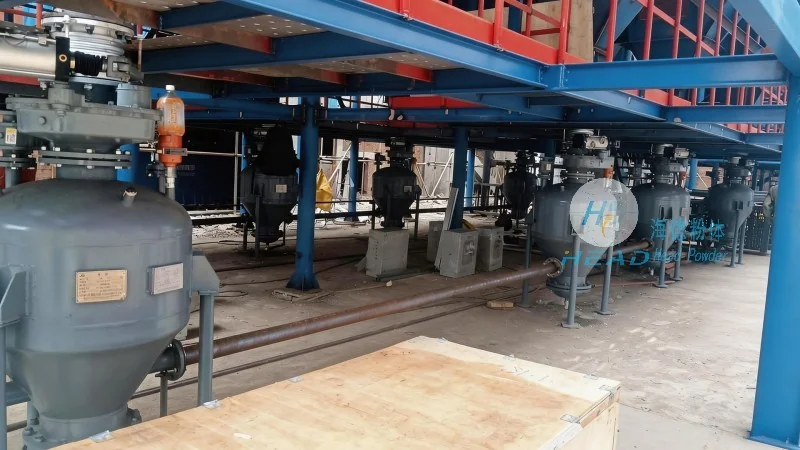
The working scene characteristics of sanding powder material conveying lines are tailored to the specific needs of different industrial environments. These systems are commonly employed in manufacturing facilities that process wood, metal, or plastic components, where sanding and polishing are critical steps. The key characteristics include high capacity, which allows for the continuous handling of large volumes of sanding powder, and flexibility, as the systems can be adjusted to accommodate varying production demands. Additionally, the design emphasizes safety and hygiene, with features like sealed conveyor systems to prevent dust emissions and contamination. The working environment is typically characterized by a need for precise control over material flow, as inconsistent supply can impact the quality of the finished products. The systems are also designed for easy maintenance, with accessible components and modular designs that simplify repairs and upgrades. In summary, the working scene characteristics reflect a balance between operational efficiency, safety standards, and adaptability to diverse industrial requirements.
Sanding powder material conveying lines are widely used across various industries, including woodworking, metalworking, automotive manufacturing, and furniture production. In woodworking, these systems ensure a steady supply of sanding powders for surface finishing, enhancing the quality and uniformity of the finished wood products. In metalworking, they facilitate the transport of abrasive powders used in grinding and polishing operations, contributing to the precision and surface finish of metal components. The automotive industry benefits from these systems in the production of vehicle parts, where consistent sanding is essential for meeting quality standards. The furniture manufacturing sector also utilizes these conveying lines to streamline the sanding process, improving production efficiency and reducing labor costs. Each application leverages the specific design features of the conveying lines, such as adjustable speed controls and material separation mechanisms, to optimize performance and meet industry-specific requirements.
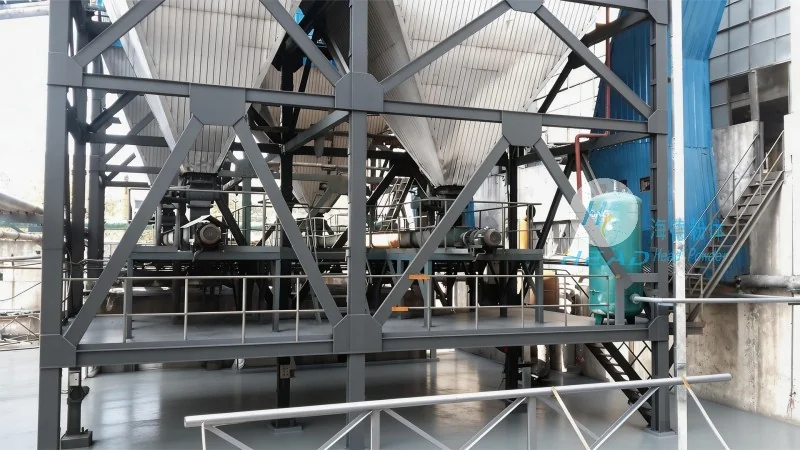
HeadPowder's sanding powder material conveying lines offer several advantages that set them apart in the market. One key advantage is the high efficiency achieved through optimized conveyor designs, which reduce energy consumption while maintaining high transport rates. The systems also feature advanced control technologies, such as automated sensors and PLCs, that enable precise monitoring and adjustment of operational parameters. This leads to improved product quality and reduced waste. Another advantage is the durability of the equipment, constructed from high-quality materials that withstand the abrasive nature of sanding powders and the rigors of continuous operation. The modular design of the systems allows for easy customization and scalability, enabling companies to adapt the conveying lines to their evolving production needs. Technical innovations, such as the integration of dust collection systems and material drying units, further enhance the functionality of the conveying lines, addressing common challenges in sanding powder handling like dust generation and moisture control. These innovations reflect HeadPowder's commitment to providing solutions that meet the modern demands of industrial manufacturing.

 Shandong Headpowder Engineering Co., Ltd.
 156-6277-7102(Manager Zhang)
  0531-83386006
  Zhangqiu District, Jinan City, Shandong Province, China
telephone
WeChatconsult
top