

What is a PP Pellet Material Pneumatic Conveying Machine? And What Are Its Design Principles?
HeadPowder, a leading engineering company based in Shandong, China, specializes in the design and manufacturing of advanced pneumatic conveying equipment. Among their product portfolio is the PP pellet material pneumatic conveying machine, a critical solution for efficiently transporting plastic pellets, particularly polypropylene (PP), in industrial settings. This article explores the functionality and design principles of such systems, providing insights into how they enhance material handling processes.
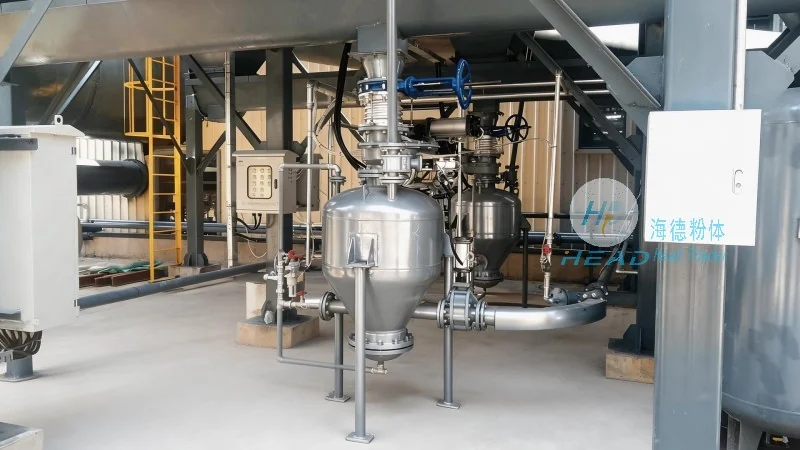
Understanding Pneumatic Conveying for PP Pellets
PP pellets are widely used in the plastics industry due to their versatility and ease of processing. However, transporting these lightweight, free-flowing materials can present challenges, including dust generation, material loss, and inefficiencies in traditional conveying methods. Pneumatic conveying systems offer a solution by utilizing air pressure to move particles through a pipeline, eliminating the need for mechanical components like belts or screws in many applications. The PP pellet pneumatic conveying machine is specifically engineered to handle the unique characteristics of PP pellets, ensuring reliable and clean material transport from source to destination.
Key Design Principles of PP Pellet Pneumatic Conveying Machines
The design of a PP pellet pneumatic conveying machine is based on several fundamental principles that ensure optimal performance and efficiency. First, the system relies on differential pressure to move material through the pipeline. Air is introduced at a higher pressure at the inlet, creating a flow that carries the pellets along. The machine’s design includes components such as a hopper, which stores the PP pellets, and a venturi or eductor that generates the necessary airflow. The hopper is typically equipped with a feeding mechanism, such as a rotary valve or a screw feeder, to control the flow of pellets into the conveying line. This control is crucial for maintaining consistent material flow and preventing blockages.
Second, the system’s design considers the physical properties of PP pellets. These particles are generally spherical and have a low density, which affects how they behave in the air stream. The conveying velocity and pressure are carefully calculated to ensure that the pellets are transported without excessive acceleration or deceleration, minimizing wear on the equipment and reducing the risk of material degradation. The pipeline diameter and length are also optimized to match the material flow rate and the required conveying distance, ensuring that the system operates within its design parameters.
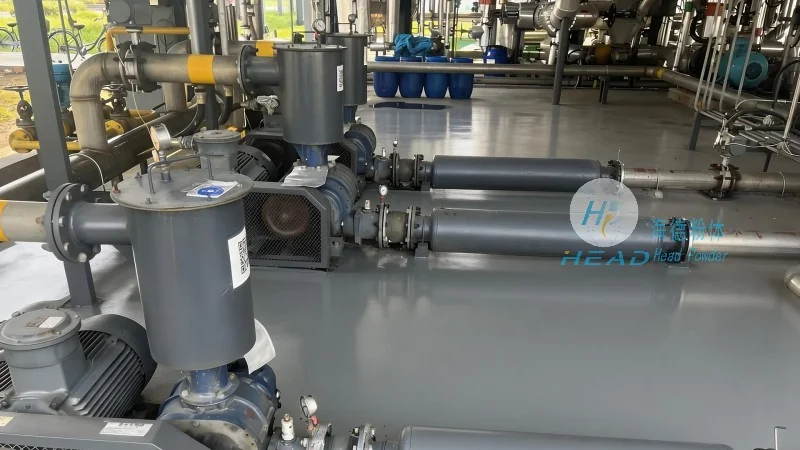
Third, the pneumatic conveying machine incorporates features to enhance operational safety and efficiency. For example, it may include a filter system to capture any airborne particles, preventing dust contamination in the workplace. Additionally, the system may have pressure relief valves to protect against overpressure conditions, ensuring safe operation. The design also considers the need for easy maintenance, with accessible components that allow for quick inspection and replacement of parts, reducing downtime and maintenance costs.
Components and Functionality of the PP Pellet Pneumatic Conveying Machine
The PP pellet pneumatic conveying machine consists of several key components that work together to achieve efficient material transport. The primary components include the hopper, feeding device, conveying line, and control system. The hopper is a large container that holds the PP pellets, providing a storage area for the material before it is conveyed. The feeding device, typically a rotary valve or a screw feeder, regulates the flow of pellets from the hopper into the conveying line. This device ensures a consistent and controlled feed rate, preventing overloading or underloading of the system.
The conveying line is the main pipeline through which the PP pellets are transported. It is usually made of stainless steel or other corrosion-resistant materials to withstand the abrasive nature of the pellets and the effects of air pressure. The line is equipped with bends and elbows to guide the material along the desired path, and the diameter is selected based on the material flow rate and conveying distance. The line may also include check valves or flow control devices to regulate the air flow and prevent backflow.
The control system manages the operation of the pneumatic conveying machine, including the feeding rate, air pressure, and conveying speed. It may include sensors to monitor the material level in the hopper, the pressure in the conveying line, and the flow rate of the pellets. The control system can be automated, allowing for remote operation and monitoring, which enhances efficiency and reduces the need for manual intervention. This automation also helps in maintaining consistent performance and minimizing the risk of errors or inefficiencies.
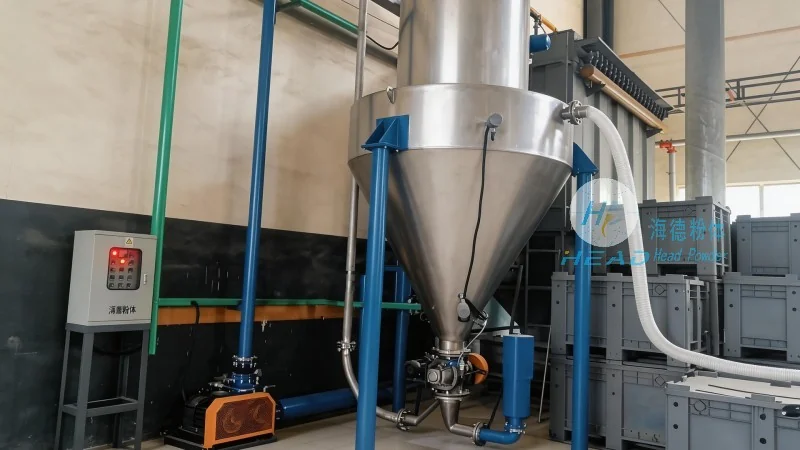
Advantages of Using PP Pellet Pneumatic Conveying Machines
Implementing a PP pellet pneumatic conveying machine offers several advantages over traditional conveying methods. First, it provides a clean and dust-free operation, as the material is contained within the pipeline and the air is filtered before being released. This reduces the risk of dust exposure for workers and minimizes the need for additional dust control measures. Second, the system is highly efficient, as it can transport large volumes of material over long distances with minimal energy consumption compared to mechanical conveyors. Third, the PP pellet pneumatic conveying machine is versatile and can handle various types of plastic pellets, including different sizes and shapes, making it suitable for a wide range of applications.
Additionally, the system is relatively low maintenance, as it has fewer moving parts compared to mechanical conveyors. The components are designed to withstand the abrasive nature of the pellets and the effects of air pressure, reducing the need for frequent repairs or replacements. The system also offers flexibility in terms of layout, as the pipeline can be installed in various configurations to accommodate different plant layouts and material flow requirements. This flexibility allows for easy integration into existing production lines or new installations.
Conclusion
PP pellet material pneumatic conveying machines are essential equipment for the plastics industry, providing efficient and reliable transport of polypropylene pellets. The design principles and components of these systems are carefully engineered to handle the unique characteristics of PP pellets, ensuring optimal performance and minimal maintenance. By leveraging the power of air pressure, these machines offer a clean, efficient, and versatile solution for material handling, enhancing productivity and reducing operational costs. HeadPowder, with its expertise in engineering and manufacturing, provides high-quality pneumatic conveying systems that meet the specific needs of industrial applications, helping companies achieve their material handling goals effectively.