With more than 10‑year industry experience, Shandong Headpowder delivers full‑service pneumatic‑conveying systems and blowers, undertaking nationwide turn‑key powder‑handling projects.
Pneumatic conveying technology has become an essential solution for the efficient handling and transportation of bulk materials like peanut kernels. This method leverages the power of compressed air to move particles through a pipeline system, offering advantages such as reduced labor costs, minimized contamination risks, and enhanced process control. As a leading manufacturer in the field, Shandong HeadPowder Engineering Co., Ltd. specializes in designing and supplying advanced pneumatic conveying systems tailored to the unique requirements of the peanut processing industry.
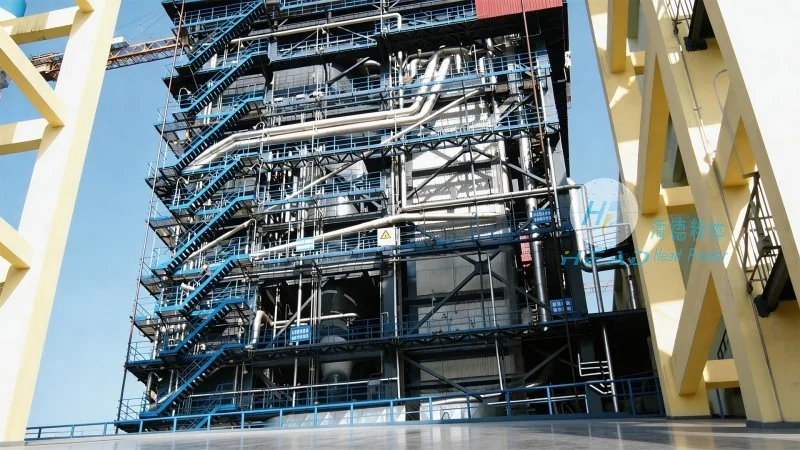
The core structure of a pneumatic conveying system for peanut kernels typically includes several critical components that work in concert to ensure smooth operation. The primary elements are the material feed hopper, the air supply unit (often a blower or compressor), the conveying pipeline, and the discharge mechanism. The feed hopper is designed to hold a sufficient quantity of peanut kernels, ensuring a steady supply to the system. It may include features like a vibrating feeder or a rotary valve to regulate the flow of material into the pipeline.
The air supply unit, usually a positive displacement blower or a centrifugal fan, generates the necessary pressure and airflow to transport the peanut kernels. The choice of blower type depends on factors such as the material's density, particle size, and the desired conveying distance. The conveying pipeline, typically made of stainless steel or other corrosion-resistant materials, is configured with bends and straight sections to guide the material and air mixture through the system. The pipeline design must consider factors like pressure drop and material flow efficiency to prevent blockages or excessive energy consumption.
The discharge mechanism, which may include a rotary valve or a venturi system, controls the release of peanut kernels from the pipeline. This component ensures that the material is discharged at the desired location without causing backflow or pressure buildup. Additionally, the system may incorporate accessories like filters, silencers, and pressure relief valves to maintain operational safety and efficiency.
The operational principle of a pneumatic conveying system for peanut kernels involves the creation of a high-velocity air stream that entrains the peanut kernels, lifting them from the feed hopper and transporting them through the pipeline to the discharge point. This process can be categorized into two main types: dilute-phase and dense-phase conveying.
In dilute-phase pneumatic conveying, the air velocity is high enough to keep the peanut kernels suspended in the air stream, creating a low concentration of material in the pipeline. This method is suitable for short to medium conveying distances and is characterized by lower energy consumption compared to dense-phase systems. The system operates by drawing air and material into the pipeline, where the air velocity is maintained above the material's terminal velocity to prevent settling.
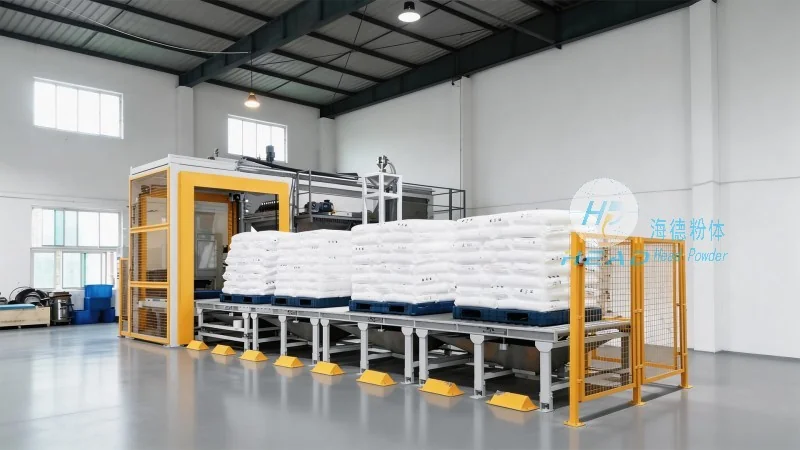
In contrast, dense-phase pneumatic conveying uses lower air velocities and higher material concentrations, resulting in a more compact material-air mixture. This method is ideal for longer conveying distances or when handling materials that are prone to degradation or contamination. The system typically employs a venturi or a pressure vessel to create a high-pressure environment, which forces the material to move through the pipeline in a more controlled manner.
Implementing a pneumatic conveying system for peanut kernels offers several benefits that enhance operational efficiency and product quality. One of the primary advantages is the ability to handle bulk materials without the need for manual handling or mechanical equipment, reducing labor costs and the risk of human error. The enclosed pipeline system also minimizes exposure to contaminants, ensuring that the peanut kernels remain clean and free from dust or foreign particles.
Another key benefit is the improved process control provided by pneumatic conveying systems. The ability to adjust air pressure, flow rate, and material feed rate allows for precise control over the conveying process, which is crucial for maintaining consistent product quality. This level of control is particularly important in peanut processing, where variations in kernel size or moisture content can affect the final product.
Pneumatic conveying also offers flexibility in system design, allowing for integration with existing processing lines or expansion to accommodate increased production volumes. The compact nature of the system, with its minimal external components, makes it suitable for installations in limited space, while the stainless steel construction ensures durability and ease of cleaning, which is essential for maintaining hygiene standards in food processing environments.
Pneumatic conveying systems are widely used in various stages of peanut processing, from raw material handling to final product packaging. In the initial stages, the system can be used to transport peanut kernels from storage silos or bulk containers to processing facilities, ensuring a continuous supply of raw material. During the processing stage, pneumatic conveying can be employed to move peanut kernels through cleaning, sorting, and roasting equipment, where the material may need to be transported between different processing units.
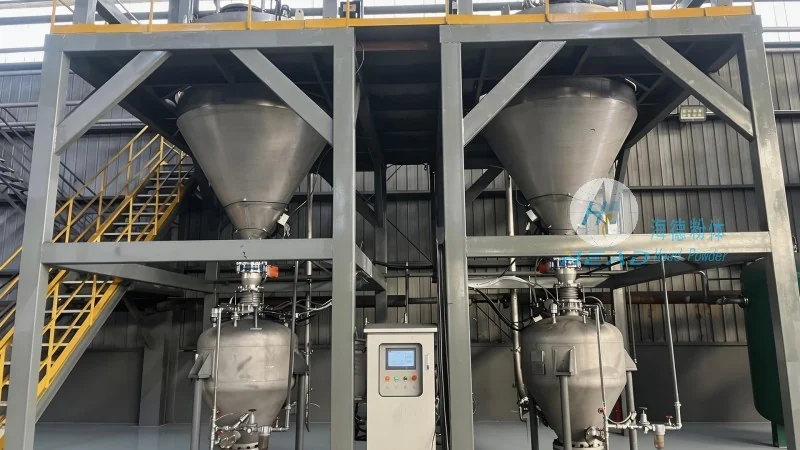
After processing, the system can be used to transport roasted or shelled peanut kernels to packaging lines, where they are packaged into bags or containers. The enclosed nature of the system helps maintain product integrity and prevents cross-contamination with other materials. Additionally, pneumatic conveying can be integrated with quality control systems, allowing for real-time monitoring of material flow and ensuring that only qualified peanut kernels proceed to the next stage of production.
Proper maintenance and operational management are critical to the long-term performance and reliability of a pneumatic conveying system for peanut kernels. Regular inspection of components such as the feed hopper, pipeline, and discharge mechanism is essential to identify and address potential issues before they lead to system failure. The air supply unit should be checked for proper operation, including pressure and airflow, to ensure that it meets the system's requirements.
Filter maintenance is another important aspect of system upkeep, as filters can become clogged with peanut dust or debris, reducing airflow and increasing pressure drop. Regular cleaning or replacement of filters is necessary to maintain optimal system performance. Additionally, the pipeline should be inspected for signs of wear or corrosion, which can affect the system's efficiency and safety.
Operational considerations also include the management of material flow and air pressure. The system should be operated within the recommended pressure and flow ranges to prevent damage to components or material degradation. Monitoring system performance through pressure gauges and flow meters can help identify any deviations from optimal operating conditions, allowing for timely adjustments.
Pneumatic conveying systems represent a sophisticated and efficient solution for the transportation of peanut kernels, offering numerous advantages over traditional handling methods. With its ability to handle bulk materials in an enclosed, controlled environment, the system enhances product quality, reduces labor costs, and improves overall process efficiency. As a leading provider in the industry, Shandong HeadPowder Engineering Co., Ltd. continues to innovate and refine pneumatic conveying technologies to meet the evolving needs of the peanut processing sector, ensuring reliable and cost-effective solutions for its clients.

 Shandong Headpowder Engineering Co., Ltd.
 156-6277-7102(Manager Zhang)
  0531-83386006
  Zhangqiu District, Jinan City, Shandong Province, China
telephone
WeChatconsult
top