With more than 10‑year industry experience, Shandong Headpowder delivers full‑service pneumatic‑conveying systems and blowers, undertaking nationwide turn‑key powder‑handling projects.
HeadPowder, a leading provider of material handling solutions, specializes in the design and implementation of systems for fine material conveying. This article explores the fundamental principles behind these systems and highlights key working scene characteristics that define their effectiveness in various industrial applications.

Fine material conveying systems are engineered to handle small, granular, or powdery substances that require precise control during transport. The primary principle revolves around maintaining material integrity and preventing issues such as caking, agglomeration, or degradation. To achieve this, systems often incorporate specialized components like rotary valves, airlocks, and flexible hoses, which work in tandem to ensure smooth, consistent flow. The design of these components is critical, as they must accommodate the unique properties of fine materials—such as low bulk density, high dust generation, or sensitivity to moisture—to prevent material loss or equipment damage.
The effectiveness of fine material conveying systems is heavily influenced by the operational environment and the specific requirements of the application. Several key characteristics define their performance in real-world scenarios:
Firstly, environmental control is paramount. Many fine materials are hygroscopic or prone to dust explosions, necessitating sealed systems and proper ventilation. This ensures safety and compliance with industrial standards. Secondly, precision and consistency are critical, especially in processes like pharmaceutical manufacturing or food processing, where material uniformity directly impacts product quality. The systems must maintain a stable flow rate and prevent overloading or underloading of downstream equipment.
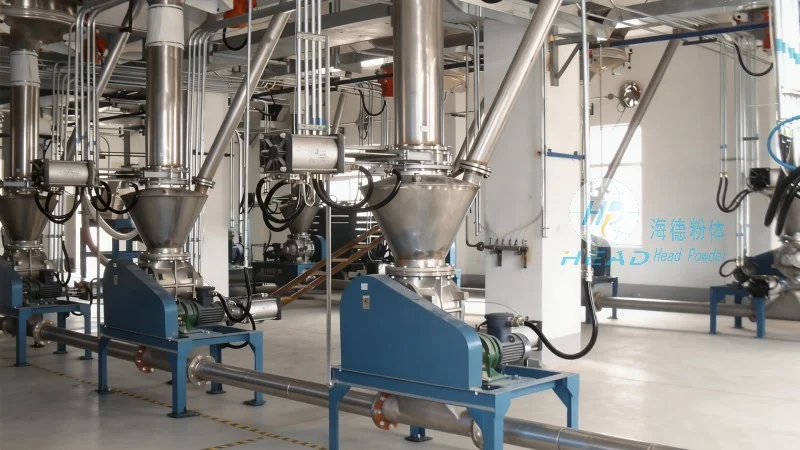
Thirdly, flexibility and adaptability are essential for handling diverse materials. A single system may need to transport powders ranging from dry cement to fine chemicals, requiring adjustable speed controls and compatible materials for the conveying components. This adaptability reduces downtime and operational costs by minimizing the need for multiple specialized systems.
Finally, efficiency and energy conservation are key considerations. Modern fine material conveying systems incorporate energy-efficient motors and optimized airflow designs to reduce operational costs while maintaining performance. This focus on sustainability aligns with the growing demand for eco-friendly industrial solutions.
Fine material conveying systems are integral to numerous industries, including chemical manufacturing, pharmaceuticals, food processing, and mining. In the chemical sector, these systems facilitate the transport of raw materials and intermediates, enabling seamless integration into production lines. The pharmaceutical industry relies on them for handling active pharmaceutical ingredients (APIs) and excipients, where contamination control and precise dosing are non-negotiable. Similarly, in food processing, systems ensure the safe and hygienic transport of ingredients like flour, sugar, or spices, adhering to strict regulatory standards.
The mining industry also benefits from fine material conveying, particularly in the processing of ore and mineral powders. These systems help optimize the extraction and processing of valuable resources while minimizing environmental impact. By improving material handling efficiency, these systems contribute to overall operational productivity and cost reduction across industries.
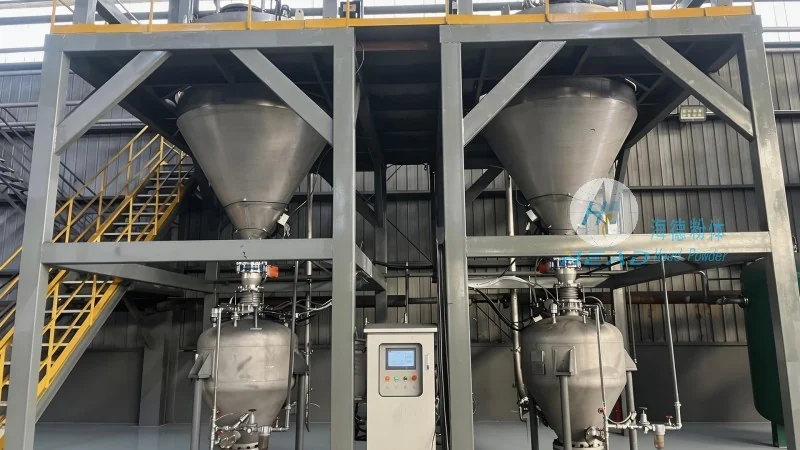
As a company based in Shandong, China, HeadPowder Engineering Co., Ltd. has established itself as a trusted partner in the design and implementation of fine material conveying systems. With a deep understanding of material properties and operational requirements, the company offers tailored solutions that address the unique challenges of each client. Their expertise spans from system design and installation to ongoing maintenance and support, ensuring long-term reliability and performance.
HeadPowder's commitment to quality and innovation is reflected in their use of advanced materials and technologies. For example, their rotary valve designs incorporate anti-clogging features and adjustable speed controls, enhancing system performance and reducing maintenance needs. The company also adheres to international standards, such as ISO and OSHA, to ensure compliance and safety in all applications.
By leveraging their experience and technical knowledge, HeadPowder helps industries optimize their material handling processes, improve product quality, and reduce operational costs. Their solutions are designed to meet the specific needs of each client, whether it's a small-scale operation or a large-scale industrial facility.

 Shandong Headpowder Engineering Co., Ltd.
 156-6277-7102(Manager Zhang)
  0531-83386006
  Zhangqiu District, Jinan City, Shandong Province, China
telephone
WeChatconsult
top