

What is a fine sand and gravel material pneumatic conveying system? What are its design principles?
For industries dealing with fine sand and gravel materials, efficient material handling is crucial for operational productivity and safety. A pneumatic conveying system offers a reliable solution for transporting these materials over various distances with minimal human intervention. This article explores the concept of a fine sand and gravel material pneumatic conveying system, detailing its operational principles and the key design considerations that ensure optimal performance.
Introduction to Fine Sand and Gravel Material Pneumatic Conveying Systems
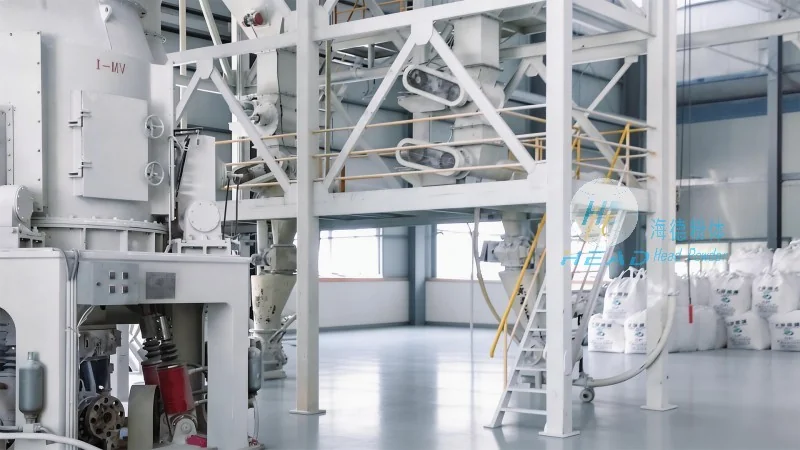
A fine sand and gravel material pneumatic conveying system is a technology used to transport dry, granular materials like fine sand, gravel, or similar particulate substances through a pipeline using compressed air or other gas as the conveying medium. Unlike traditional mechanical conveyors, which rely on belts or buckets, pneumatic systems utilize the force of air to move materials, making them particularly suitable for materials that are dusty, abrasive, or require gentle handling. The system typically consists of several components, including a material feeder, a conveying pipeline, a pressure vessel or receiver, and a separation or discharge unit. These components work in tandem to ensure the material is transported efficiently and safely from the source to the destination.
About Shandong HeadPowder Engineering Co., Ltd.
HeadPowder, formally known as Shandong HeadPowder Engineering Co., Ltd., is a leading engineering firm based in Shandong, China. With a strong focus on innovative material handling solutions, the company specializes in designing and manufacturing pneumatic conveying systems tailored to the unique needs of various industries. HeadPowder's expertise lies in understanding the properties of different materials and translating that knowledge into efficient, reliable conveying systems that meet both operational and safety standards.
Core Components and Operational Principles
The fundamental principle of pneumatic conveying is to create a flow of air that carries the material particles through the pipeline. This is achieved by introducing compressed air into the system, which generates a pressure differential that propels the material. There are two main types of pneumatic conveying systems: pressure and vacuum. Pressure systems use a positive pressure to push the material through the pipeline, while vacuum systems use a negative pressure to pull the material. For fine sand and gravel, which are often abrasive and can generate dust, pressure systems are commonly preferred as they offer better control over material flow and reduce the risk of clogging.
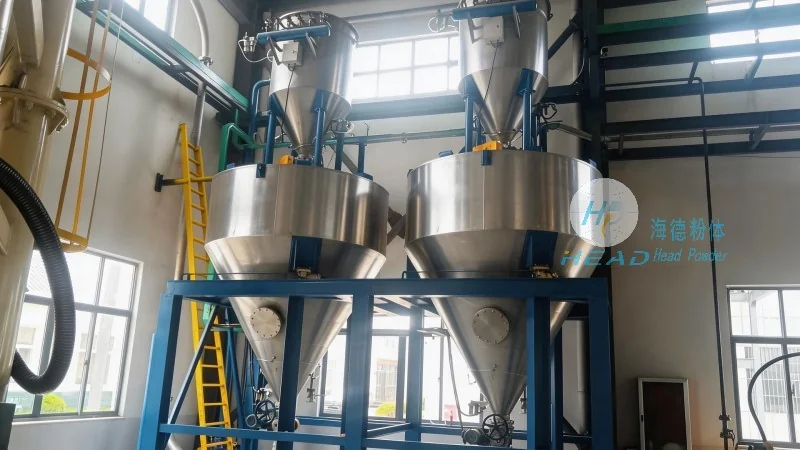
The material feeder is a critical component that ensures a consistent and controlled flow of the material into the conveying system. It may be a rotary valve, a screw feeder, or a hopper with a metering device, depending on the material's characteristics and the required flow rate. The feeder's design must account for the material's density, moisture content, and flowability to prevent blockages or uneven feeding. The conveying pipeline is typically made of durable materials such as stainless steel or polyethylene to withstand the abrasive nature of fine sand and gravel and resist corrosion from moisture or chemicals.
Design Principles for Optimal Performance
Designing a fine sand and gravel pneumatic conveying system involves several key principles to ensure efficiency, reliability, and longevity. The first consideration is the material's properties, including particle size distribution, density, and moisture content. These factors determine the required air velocity and pressure to achieve effective transport. For example, smaller particles may require higher air velocities to prevent settling or clogging in the pipeline.
Another critical design factor is the conveying distance and elevation change. The system's design must account for the total pressure drop along the pipeline, which includes friction losses due to the material and air flow, as well as losses at bends, elbows, and other fittings. Engineers use computational fluid dynamics (CFD) and empirical formulas to calculate the necessary air pressure and flow rate to overcome these losses and maintain a stable material flow. The receiver or pressure vessel is designed to store the material and allow for air separation before discharge. It often includes a cyclone separator or a bag filter to remove any entrained air and prevent dust from escaping into the environment.
Advantages and Applications
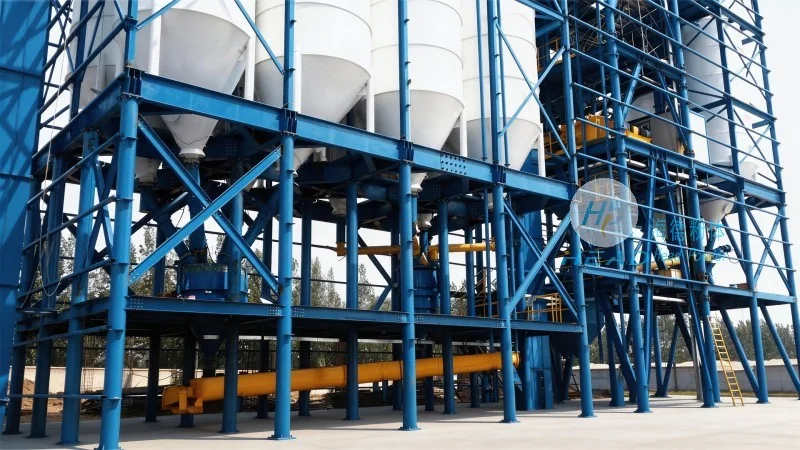
Fine sand and gravel pneumatic conveying systems offer several advantages over traditional mechanical methods. One of the primary benefits is the ability to transport materials in a dust-free environment, which enhances workplace safety and reduces the risk of respiratory issues for operators. Additionally, pneumatic systems can handle materials with high abrasiveness or moisture content without significant wear and tear on components, as the pipeline and equipment are designed to withstand these conditions.
These systems are widely used in various industries, including construction, mining, and manufacturing. In construction, they are used to transport sand and gravel for concrete production, while in mining, they help move ore and other minerals from processing plants to storage facilities. The flexibility of pneumatic systems also allows for easy integration into existing production lines, making them a cost-effective solution for material handling needs.
Conclusion
A fine sand and gravel material pneumatic conveying system is a sophisticated and efficient solution for transporting dry, granular materials. By leveraging the principles of air pressure and flow, these systems offer reliable, dust-free, and continuous material handling capabilities. With proper design and maintenance, they can significantly improve operational efficiency and reduce costs for industries that rely on fine sand and gravel. As a leading provider in the field, Shandong HeadPowder Engineering Co., Ltd. continues to innovate and provide tailored solutions that meet the evolving needs of modern material handling.