With more than 10‑year industry experience, Shandong Headpowder delivers full‑service pneumatic‑conveying systems and blowers, undertaking nationwide turn‑key powder‑handling projects.
For industrial applications involving the handling of fly ash, efficient and reliable material transport systems are crucial. Pneumatic conveying lines, specifically designed for fly ash materials, offer a sophisticated solution that addresses the unique challenges associated with this type of bulk material. This article explores the working principle and key features of such systems, highlighting how they enhance operational efficiency and safety in industrial settings.
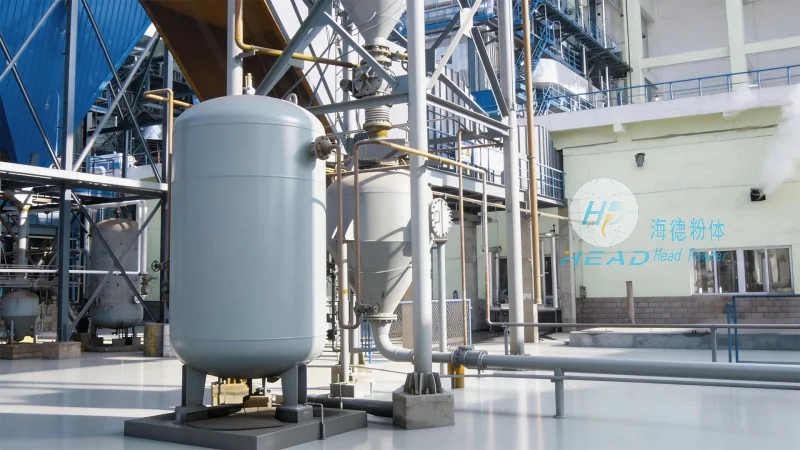
Pneumatic conveying systems utilize air or other gases to transport bulk materials like fly ash from one location to another. Unlike traditional mechanical conveying methods, such as belt conveyors or screw conveyors, pneumatic systems rely on the force of moving air to move the material through a pipeline. This approach is particularly advantageous for fly ash, which is often fine, abrasive, and potentially hazardous if not handled properly.
The core of a fly ash pneumatic conveying line operates on the principle of air pressure and velocity. The system typically consists of a hopper or feeder that feeds the fly ash into a pipeline. An air compressor then generates a high-pressure air stream that propels the material through the pipeline. The air flow is controlled to maintain a consistent velocity, ensuring that the fly ash particles are carried without settling or causing blockages. Key components include the feeder, air compressor, pipeline, and possibly a separator or filter to remove excess air and separate the material from the gas stream.
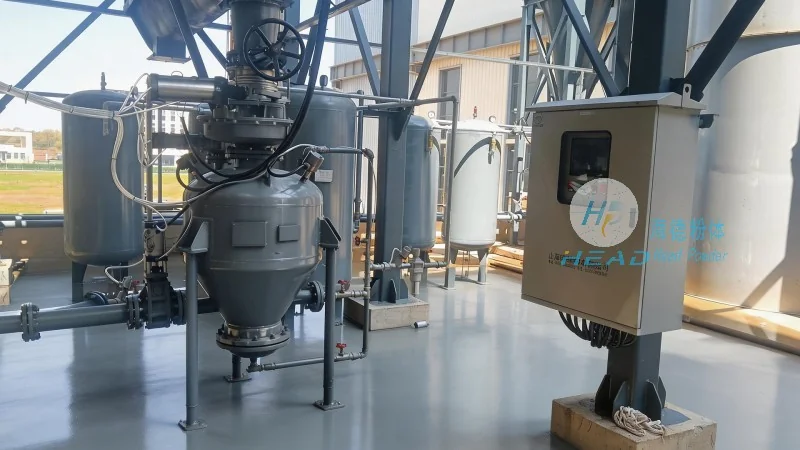
Several distinct features make fly ash pneumatic conveying lines an ideal choice for industrial applications. First, they provide a dust-free and enclosed transport process, which is critical for maintaining a safe working environment and complying with environmental regulations. The enclosed system prevents the release of fine particles into the air, reducing the risk of inhalation hazards and contamination of the surrounding area.
Second, these systems offer high flexibility in terms of layout and installation. They can be configured to follow complex routes, including vertical and horizontal segments, making them suitable for facilities with limited space or irregular layouts. The modular design allows for easy expansion or modification as production needs change.
Third, pneumatic conveying systems are highly efficient in terms of energy consumption and material handling speed. By using air pressure to move the material, they can transport fly ash over long distances with minimal energy input compared to mechanical systems that require continuous mechanical force. This efficiency translates into lower operational costs and reduced downtime.
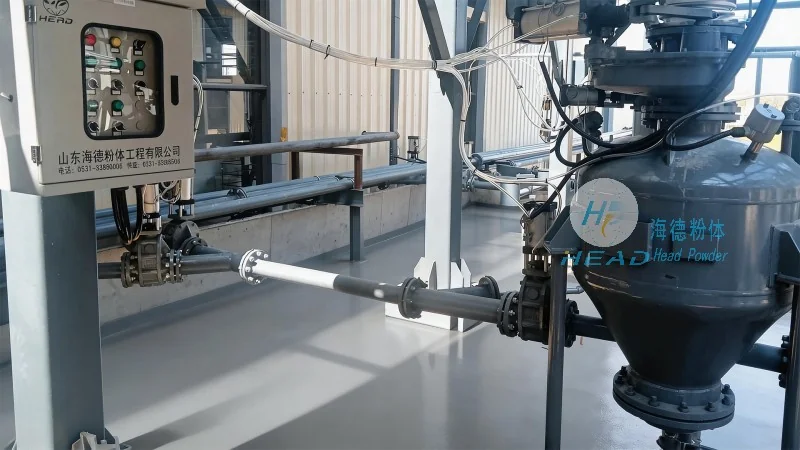
When designing a pneumatic conveying system for fly ash, several factors must be considered to ensure optimal performance. The particle size and density of the fly ash are critical, as they affect the air velocity required for effective transport. Larger or denser particles may require higher air pressure or different nozzle designs to prevent clogging. Additionally, the system must be equipped with appropriate filtration and cleaning mechanisms to maintain air quality and prevent the buildup of material in the pipeline.
Another important consideration is the system's ability to handle varying material flow rates. Fly ash production can fluctuate, and the conveying system must be able to adjust its capacity accordingly without compromising performance. This adaptability is achieved through variable speed drives and adjustable air pressure controls, ensuring consistent material transport even under changing conditions.
Compared to traditional mechanical conveying methods, fly ash pneumatic conveying lines offer several advantages. Mechanical systems, such as belt conveyors, are prone to wear and tear from abrasive fly ash particles, leading to higher maintenance costs and more frequent repairs. Pneumatic systems, on the other hand, are less susceptible to wear and can handle abrasive materials more effectively, reducing long-term operational expenses.
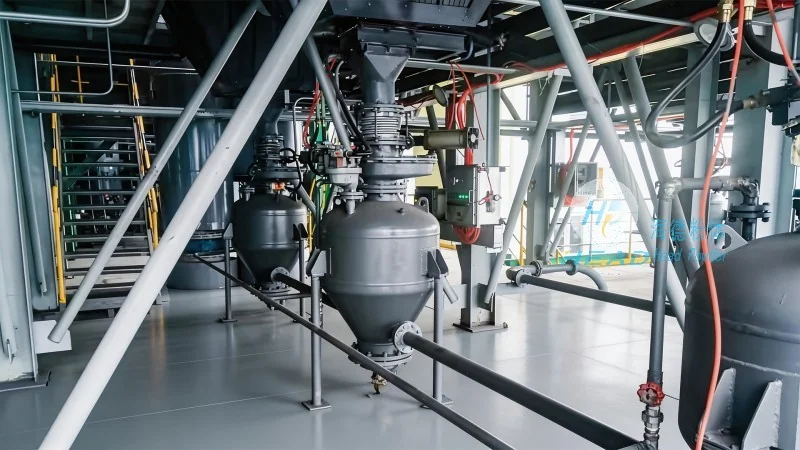
Furthermore, pneumatic conveying eliminates the need for multiple transfer points or intermediate storage, streamlining the material handling process. This reduces the risk of material loss or contamination and improves overall process efficiency. The enclosed nature of the system also minimizes the impact on the environment by preventing dust emissions, which is a significant benefit for compliance with environmental regulations.
In conclusion, fly ash pneumatic conveying lines represent a sophisticated and efficient solution for the transport of this critical industrial material. By leveraging the principles of air pressure and velocity, these systems provide a safe, flexible, and cost-effective method for handling fly ash. The key features, including enclosed transport, high flexibility, and energy efficiency, make them an ideal choice for modern industrial applications. As industries continue to prioritize safety and operational efficiency, the adoption of such systems will likely increase, further solidifying their role in fly ash management.

 Shandong Headpowder Engineering Co., Ltd.
 156-6277-7102(Manager Zhang)
  0531-83386006
  Zhangqiu District, Jinan City, Shandong Province, China
telephone
WeChatconsult
top