With more than 10‑year industry experience, Shandong Headpowder delivers full‑service pneumatic‑conveying systems and blowers, undertaking nationwide turn‑key powder‑handling projects.
Quick loading material pneumatic conveying lines represent a sophisticated solution for bulk material handling in modern industrial operations. These systems leverage compressed air to transport materials such as powders, granules, and bulk solids through a network of pipelines, offering a highly efficient alternative to traditional mechanical conveyors. The primary advantage of pneumatic conveying lies in its ability to handle a wide range of materials with minimal product degradation, making it particularly suitable for industries where material integrity is critical, including food processing, pharmaceuticals, and chemicals. By integrating advanced engineering and automation, these lines provide rapid, controlled, and hygienic material transfer, enhancing overall production efficiency and safety.
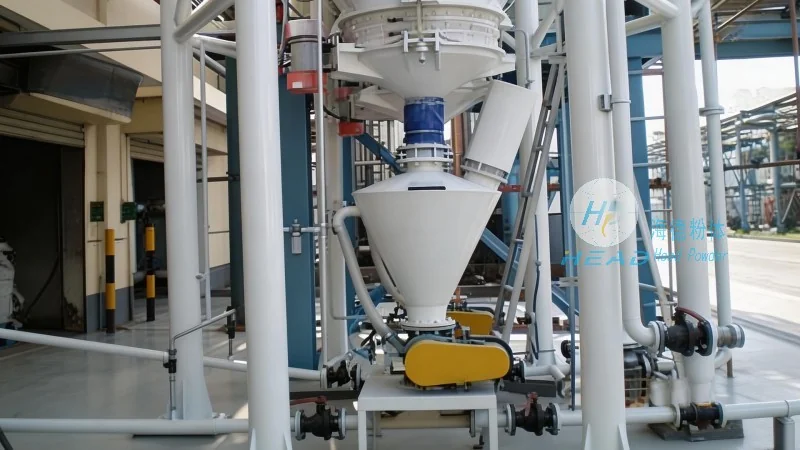
The operational principle of quick loading material pneumatic conveying lines is rooted in fluid dynamics and particle transport mechanics. The system typically comprises several key components: a material hopper for feeding bulk material, an air compressor to generate the necessary pressure, a conveying line (often with bends and control valves), and a receiving hopper at the destination. The process initiates when material is introduced into the hopper. Simultaneously, compressed air is supplied to the system, creating a pressure differential that draws the material into the conveying line. As air flows through the pipeline, it entrains the particles, forming a dense or dilute phase flow depending on the system design and material characteristics. The conveying line may include features such as filters to remove dust or debris and pressure regulators to maintain consistent flow. The receiving hopper collects the material at the end of the line, completing the cycle. This automated process allows for continuous operation with high throughput rates, ensuring that material is transferred quickly and reliably.
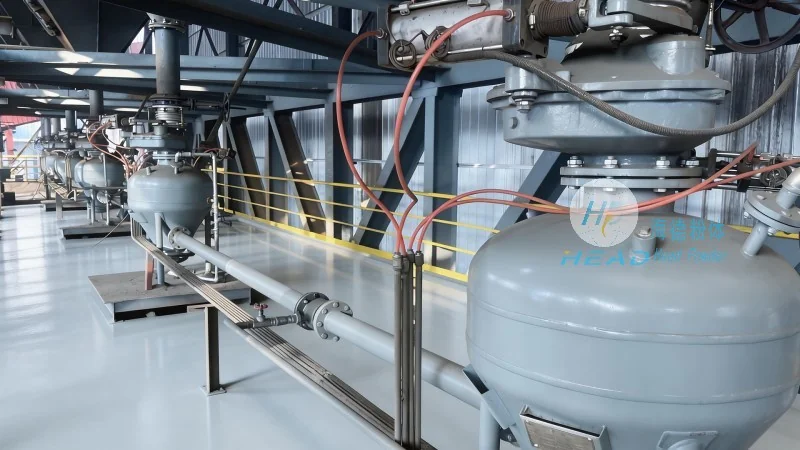
Quick loading material pneumatic conveying lines are distinguished by several key features that enhance their performance and applicability. Firstly, they offer high efficiency in material handling, with the ability to transport materials over long distances with relatively low energy consumption compared to belt or bucket elevators. The systems are also highly flexible, as they can be easily reconfigured or expanded to accommodate changing production needs, such as increased material volumes or altered processing requirements. Another significant feature is their ability to handle a wide variety of materials, including sensitive powders and abrasive granules, without causing segregation or degradation. The enclosed pipeline design ensures that the material remains contained and protected from external contaminants, which is essential in industries like food and pharmaceuticals where hygiene standards are stringent. Additionally, these systems provide precise control over flow rate and pressure, enabling accurate dosing and dosing of materials in downstream processes. The quick loading capability is achieved through optimized hopper designs and air flow management, allowing for rapid material transfer even for large volumes, reducing downtime and improving overall productivity.
Quick loading material pneumatic conveying lines find extensive applications across various industrial sectors, each leveraging the system's unique capabilities to address specific material handling challenges. In the food industry, for instance, these lines are used to transport ingredients like flour, sugar, and spices from storage to production lines, ensuring that the materials remain fresh and free from contamination. The enclosed design and hygienic construction prevent cross-contamination, meeting strict regulatory requirements. In the pharmaceutical sector, pneumatic conveying is critical for handling active pharmaceutical ingredients (APIs) and other sensitive materials, as it maintains aseptic conditions and prevents product degradation. The chemical industry also benefits from these systems when transporting powders and granules, including corrosive or abrasive materials, without damaging the equipment. The primary benefits of using pneumatic conveying lines include increased productivity, reduced labor costs associated with manual handling, and improved safety by eliminating the need for workers to handle bulk materials directly. Furthermore, the enclosed design minimizes dust emissions, contributing to a cleaner and safer working environment, which is particularly important in environments where air quality is a concern.
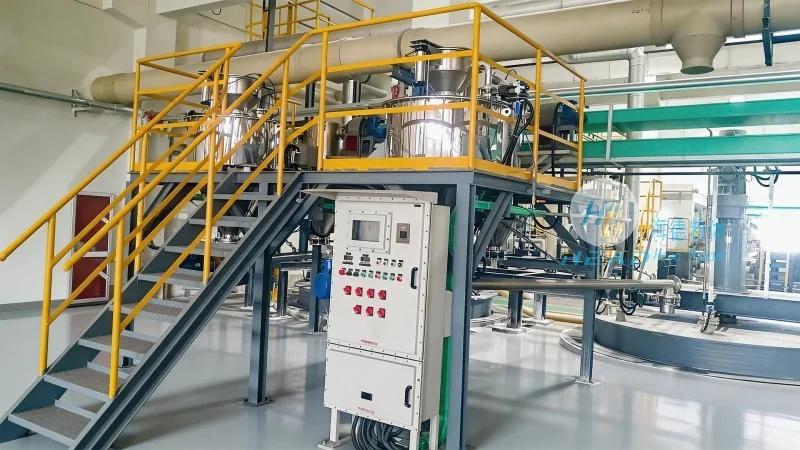
Quick loading material pneumatic conveying lines exemplify the integration of advanced engineering principles with practical industrial needs. By utilizing compressed air to transport bulk materials efficiently and safely, these systems address the challenges of traditional mechanical conveyors while offering enhanced flexibility and control. The working principle, centered on fluid dynamics and particle entrainment, ensures that materials are transferred with minimal degradation and maximum precision. Key features such as high efficiency, flexibility, and hygienic design make these lines indispensable in industries where material integrity and process reliability are paramount. As industrial operations continue to evolve, the demand for advanced material handling solutions will likely increase, and pneumatic conveying lines will remain a vital component in achieving optimal productivity and safety. The continued innovation in system design, driven by companies like Shandong HeadPowder Engineering Co., Ltd., ensures that these systems will continue to meet the evolving needs of modern manufacturing and processing industries.

 Shandong Headpowder Engineering Co., Ltd.
 156-6277-7102(Manager Zhang)
  0531-83386006
  Zhangqiu District, Jinan City, Shandong Province, China
telephone
WeChatconsult
top