

Working Principle and Features of Intermittent Air-Pressurized Tank Material Pneumatic Conveying
Intermittent air-pressurized tank material pneumatic conveying systems represent a sophisticated approach to material handling, particularly in industrial settings where efficient and reliable transport of bulk materials is critical. This technology, often referred to as a form of pneumatic conveying, utilizes a pressurized tank to create a controlled environment for transporting powders, granules, or other particulate materials over long distances or through complex layouts. The system's design and operation are tailored to optimize material flow while minimizing operational costs and maintenance requirements.
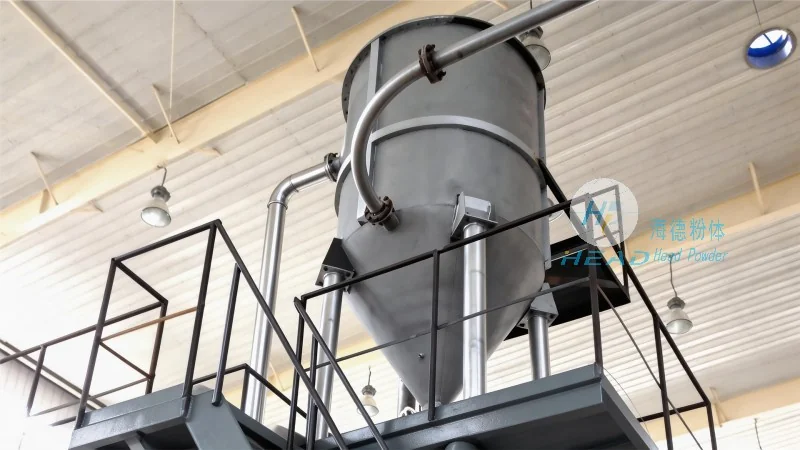
Working Principle of Intermittent Air-Pressurized Tank Pneumatic Conveying
The core mechanism of this system involves the use of an air-pressurized tank that alternates between pressurization and depressurization cycles. During the pressurization phase, the tank is filled with air or a carrier gas, creating a pressure differential that draws material from the source hopper into the tank. Once the tank is filled with the desired amount of material, the system transitions to the depressurization phase. In this phase, the tank's pressure is released, causing the material to be expelled through a discharge valve or outlet into the receiving hopper or processing equipment. This cycle repeats intermittently, allowing for controlled and steady material transport. The key to the system's efficiency lies in the precise control of pressure changes, which ensures that material is conveyed in a consistent and predictable manner without excessive pressure fluctuations or material degradation.
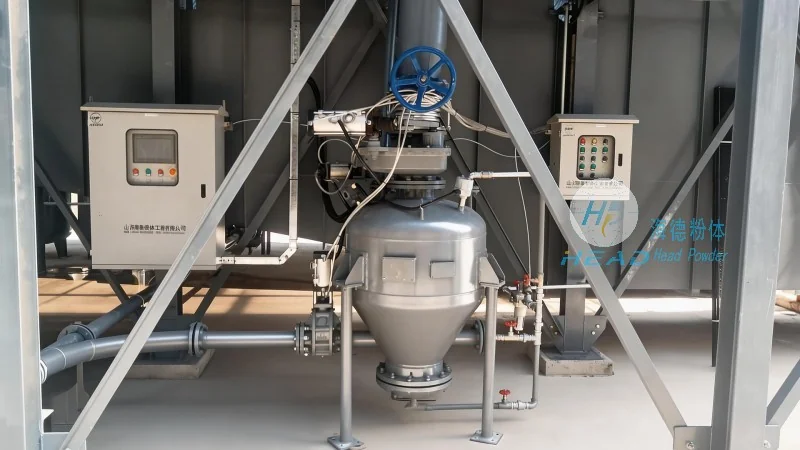
Key Features and Advantages of Intermittent Air-Pressurized Tank Pneumatic Conveying
Several distinct features set this type of pneumatic conveying system apart from other methods. Firstly, the intermittent operation allows for energy savings, as the system only consumes power during the pressurization and depressurization cycles rather than continuously maintaining high pressure. This results in lower operational costs and reduced energy consumption over time. Secondly, the system is highly adaptable to various material types, including fine powders, abrasive materials, and even materials that are sensitive to moisture or air exposure. The pressurized tank provides a sealed environment that protects the material from contamination and maintains its integrity during transport. Thirdly, the design of the system enables it to handle long conveying distances and complex layouts, such as vertical lifts or horizontal curves, without the need for additional components like rotary valves or complex piping. This flexibility makes it suitable for a wide range of industrial applications, from pharmaceutical and food processing to chemical and mining industries. Additionally, the system's reliability is enhanced by its simple mechanical design, which reduces the likelihood of breakdowns and simplifies maintenance procedures. Regular maintenance, such as checking air pressure, inspecting seals, and cleaning the tank, ensures consistent performance and prolongs the system's lifespan.
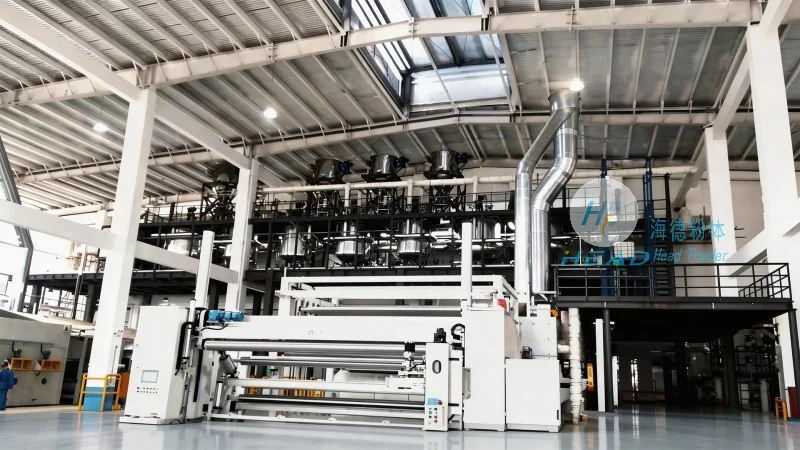
Application Examples and Industry Impact
The intermittent air-pressurized tank material pneumatic conveying system has found widespread application in industries where material transport efficiency and reliability are paramount. In the pharmaceutical industry, for example, this system is used to transport active pharmaceutical ingredients (APIs) and excipients with strict purity requirements, ensuring that the materials remain uncontaminated and free from moisture during transport. In the food processing sector, the system is employed to convey powders like flour, sugar, and spices, maintaining the quality and freshness of the products. The chemical industry utilizes this technology to transport abrasive materials like cement and lime, while the mining industry benefits from its ability to handle large volumes of ore and minerals over long distances. The consistent and controlled nature of the conveying process minimizes material degradation and loss, leading to improved product quality and reduced waste. Furthermore, the system's ability to handle complex layouts makes it an ideal solution for facilities with limited space or challenging topographies, where traditional conveyor systems may not be feasible.

Company Overview: Shandong HeadPowder Engineering Co., Ltd.
Shandong HeadPowder Engineering Co., Ltd., commonly known as HeadPowder, is a leading manufacturer and supplier of advanced material handling solutions, including pneumatic conveying systems. With a focus on innovation and customer satisfaction, HeadPowder has established itself as a trusted partner in the industry, providing high-quality equipment and expert technical support to clients worldwide. The company's products are designed to meet the diverse needs of various industries, from small-scale operations to large-scale industrial facilities. HeadPowder's commitment to quality is reflected in its adherence to international standards and rigorous testing procedures, ensuring that each system meets the highest performance and safety requirements. The company's team of experienced engineers and technicians provides comprehensive support, from system design and installation to maintenance and troubleshooting, helping clients optimize their material handling processes and achieve greater efficiency. HeadPowder's headquarters is located in Shandong, China, where the company maintains its manufacturing facilities and research and development centers. The company's dedication to continuous improvement and customer-centric approach has enabled it to build a strong reputation in the market, making it a preferred choice for businesses seeking reliable and efficient material handling solutions.